Palestinian rights group raises alarm over escalating medical meglect in Israeli prisons
 13 oC
13 oC 
Güneşli

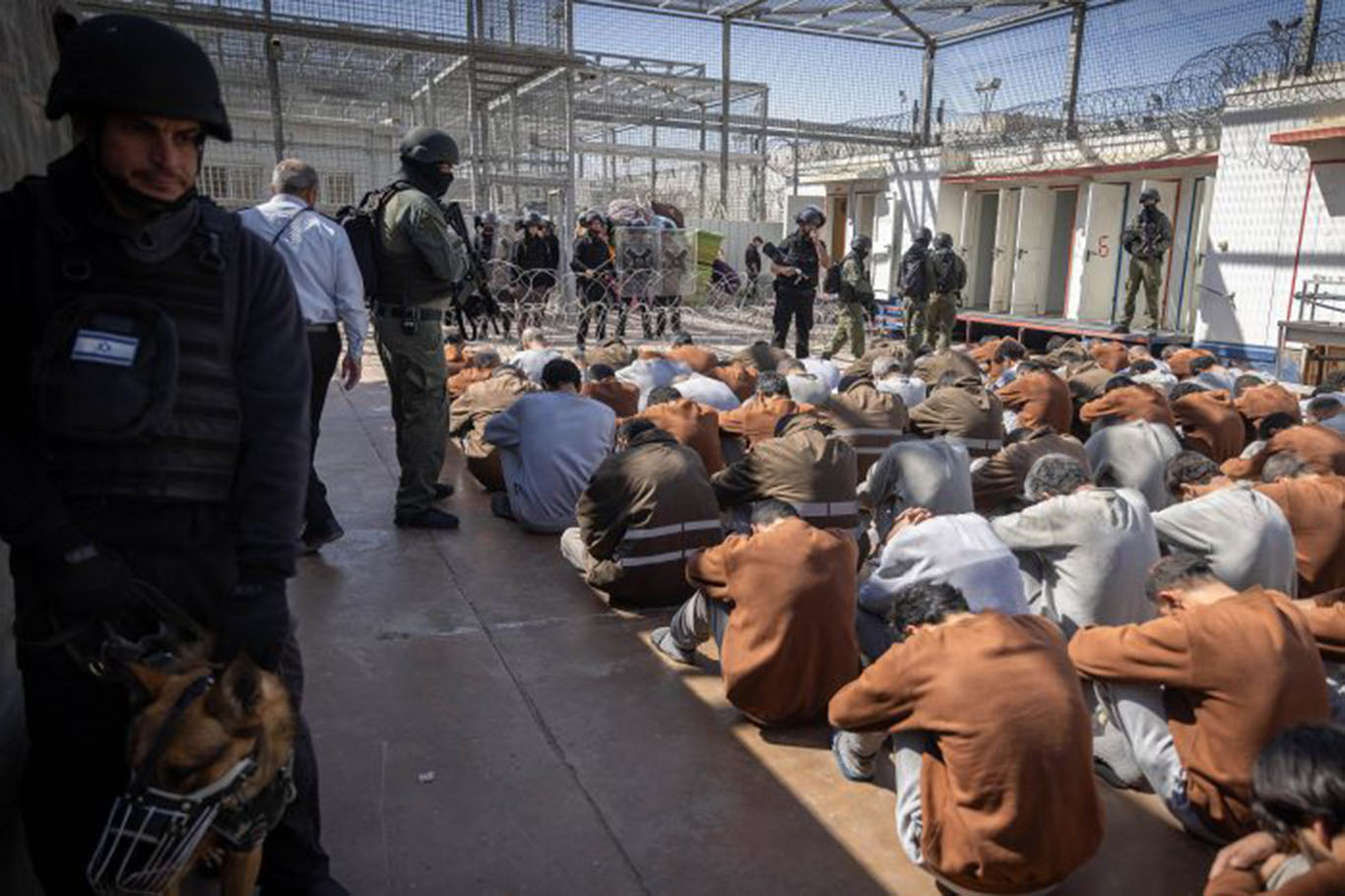
Palestinian rights organizations have sounded the alarm over what they describe as a systematic policy of medical neglect inside Israeli prisons, warning that hundreds of sick and wounded Palestinian detainees face life-threatening conditions due to the denial of adequate healthcare.
The Palestinian Prisoner Society (PPS) said the testimonies of prisoners' families reveal an escalating humanitarian crisis in Israeli detention facilities, accusing Israeli occupation authorities of deliberately withholding medical treatment and preventing families from obtaining information about the health of their loved ones.
One of the most alarming cases highlighted by the organization is that of 15-year-old Mohammad Mousa Suleiman Hmeid, from the town of Tuqu’, southeast of Bethlehem. According to the PPS, the teenager's health has deteriorated dramatically while in Israeli custody, prompting urgent concerns for his life.
The organization said Hmeid underwent open-heart surgery at Shaare Zedek Medical Center in occupied Jerusalem without his family being informed beforehand or allowed to visit him afterward. Despite the seriousness of his condition, Israeli authorities have reportedly continued to deny his relatives access to him or updates regarding his recovery.
Hmeid has been imprisoned since February 2026. He was initially held at Ofer Prison before being transferred to the hospital.
His family told the PPS that he had no known heart condition before his arrest and only discovered that he had undergone major surgery through a Palestinian human rights organization rather than through Israeli prison officials.
The PPS said the teenager remains in critical condition and requires intensive medical care, while Israeli authorities continue to restrict communication between him and his family.
Wounded prisoner loses foot after arrest
The organization also drew attention to the case of 30-year-old Malek Hani Jibril, also from Tuqu’, who lost his right foot after being shot by Israeli occupation forces near the Checkpoint 300 military crossing earlier this month.
According to the PPS, Jibril was arrested while seriously wounded and later underwent surgery that resulted in the amputation of his foot.
The organization held Israeli authorities responsible for the deterioration of his condition, arguing that delays in providing appropriate medical treatment and his continued detention despite severe injuries reflect a broader pattern of abuse against wounded Palestinian prisoners.
"Part of a systematic policy"
The PPS stressed that the cases of Hmeid and Jibril are not isolated incidents but rather examples of a systematic policy of medical neglect targeting Palestinian prisoners, particularly since the outbreak of Israel's war on Gaza in October 2023.
According to the organization, amputations have become one of the gravest consequences faced by wounded detainees, especially Palestinians from the Gaza Strip who were injured by Israeli gunfire before being arrested and later lost limbs while in custody.
The group said hundreds of wounded Palestinians remain imprisoned despite requiring specialized treatment, rehabilitation, prosthetic limbs, and other essential medical support.
The PPS accused Israeli prison authorities of employing medical neglect, starvation, and the denial of treatment as additional forms of punishment against Palestinian prisoners, practices that it said have contributed to the spread of disease, worsening injuries, and permanent disabilities.
It added that Israeli prisons have increasingly become environments that endanger prisoners' lives instead of providing the minimum standards of healthcare required under international law.
The organization also said Palestinian legal and human rights groups continue to face significant obstacles in monitoring detainees' medical conditions because Israeli authorities allegedly restrict access to medical records, delay information, and obstruct independent oversight.
According to the PPS, many prisoners are now reluctant to request medical attention out of fear that doing so could expose them to further abuse, retaliation, or punitive measures.
Calls for international intervention
The Palestinian Prisoner Society urged the international community to take immediate action, calling on the United Nations, the International Committee of the Red Cross (ICRC), and international human rights organizations to intervene to protect Palestinian prisoners and ensure they receive adequate medical treatment.
The organization also demanded independent international investigations into what it described as serious violations committed inside Israeli prisons and renewed calls for those responsible to be held accountable before international courts for alleged breaches of international humanitarian law and international human rights law.
According to the PPS, Israel is currently holding approximately 9,400 Palestinian prisoners in more than 23 prisons, detention centers, and interrogation facilities, including 95 women and around 380 children, many of whom, the organization says, continue to face deteriorating humanitarian and medical conditions while in detention. (ILKHA)
LEGAL WARNING: All rights of the published news, photos and videos are reserved by İlke Haber Ajansı Basın Yayın San. Trade A.Ş. Under no circumstances can all or part of the news, photos and videos be used without a written contract or subscription.
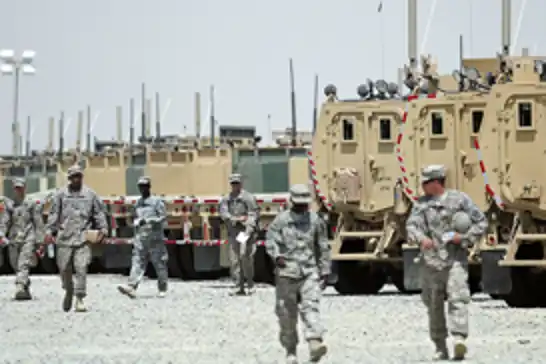
A recent Wall Street Journal analysis has highlighted growing strains in the longstanding US-Kuwait security partnership amid the ongoing war with Iran, raising questions about the sustainability and risks of America’s large military footprint in the Gulf emirate.
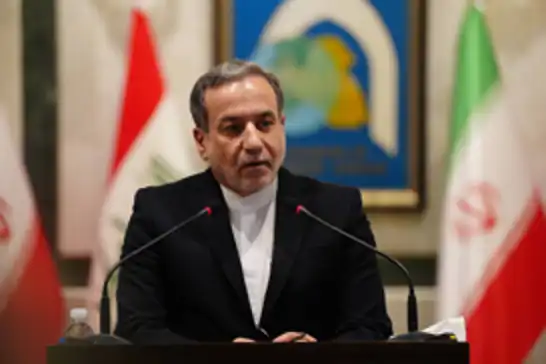
Iran has formalilateral rly protested Bulgaria's decision to allow the United States to use its territory in support of military operations against Iran, with Foreign Minister Seyed Abbas Araghchi describing the move as a violation of international law and a threat to belations.
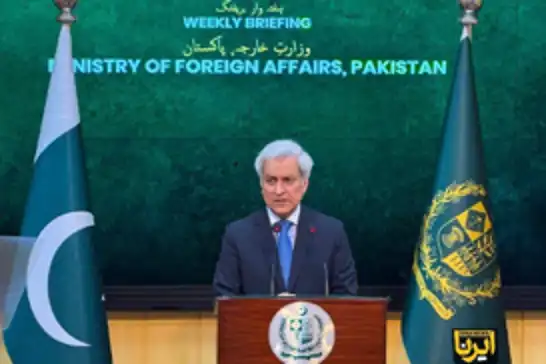
Pakistan confirmed on Thursday that negotiations between the United States and Iran aimed at reducing regional tensions and addressing the crisis in the Strait of Hormuz remain ongoing despite escalating military confrontations across the Middle East.