Millions across Europe prepare for rare total solar eclipse
 13 oC
13 oC 
Güneşli

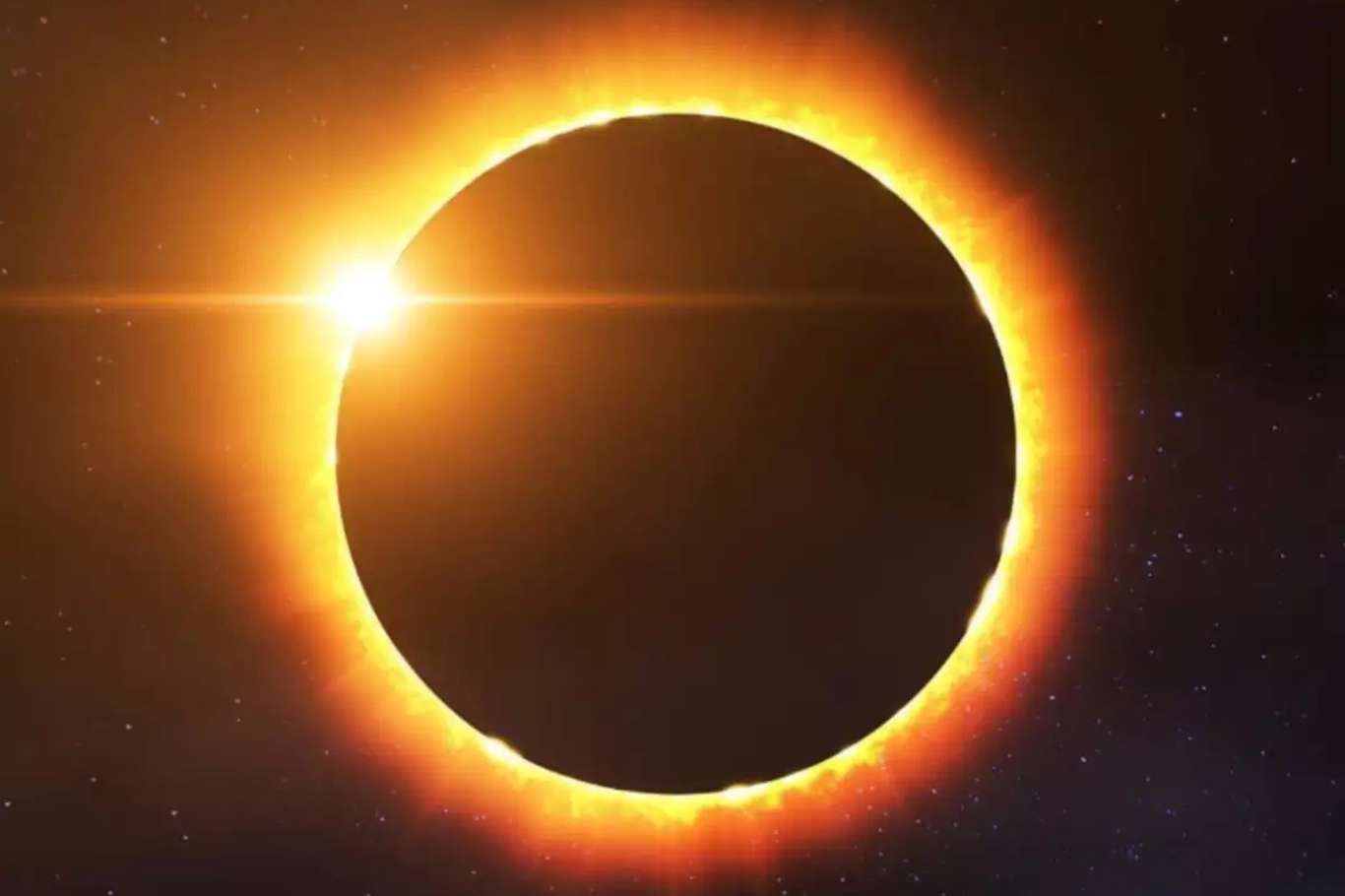
Millions of people across Europe are preparing for a rare celestial spectacle on Wednesday evening, August 12, as the Moon passes directly between Earth and the Sun, producing a total solar eclipse across parts of northern Europe and Spain.
The path of totality — where the Moon will completely cover the Sun — will cross Greenland, Iceland, northern Spain and a small area of northeastern Portugal. A much wider area, stretching across large parts of Europe, will experience a partial eclipse.
In northern and central Spain, the eclipse will briefly turn daylight into near darkness as the Moon completely obscures the Sun. Several cities, including A Coruña, Bilbao, Zaragoza, Valencia and Palma, lie within or close to the path of totality. Madrid and Barcelona, however, will be outside the narrow zone of complete coverage.
People across the United Kingdom, France, Belgium, Switzerland, northern Italy and Ireland will witness a substantial partial eclipse, although the Sun will not be completely covered.
In London, for example, the eclipse will begin at around 6:17 p.m. local time, reach its peak at approximately 7:13 p.m., with up to 92% of the Sun obscured, before ending around 8:06 p.m.
Because the eclipse occurs late in the day, observers in western Europe may see the partially eclipsed Sun close to the horizon, creating the unusual spectacle of an eclipsed sunset.
The event is attracting particular attention because total solar eclipses are relatively rare from any individual location. The last total solar eclipse visible from continental Europe occurred in 2006, while the widely remembered 1999 eclipse crossed parts of western and central Europe.
Astronomers are also preparing to study the Sun's corona, the outer atmosphere that normally cannot be easily observed because of the Sun's intense brightness. The brief period of totality provides researchers with an opportunity to examine solar structures and activity.
The eclipse is expected to generate a major boost for astronomical tourism, particularly in Spain, where towns and cities along the path of totality have prepared for large numbers of visitors.
Experts are urging the public not to look directly at the Sun without appropriate eye protection. Ordinary sunglasses do not provide sufficient protection.
Special-purpose solar eclipse glasses or approved solar viewers should be used during the partial phases. During totality, direct viewing is safe only during the brief period when the Sun is completely covered; protective equipment must be put back on before the bright solar surface reappears.
The European Space Agency is also planning a live broadcast of the total eclipse from 19:30 CEST on August 12, allowing people outside the path of totality to follow the event.
The astronomical spectacle comes as Europe experiences a particularly busy period for skywatchers, with the Perseid meteor shower also reaching its peak around August 12–13. (ILKHA)
LEGAL WARNING: All rights of the published news, photos and videos are reserved by İlke Haber Ajansı Basın Yayın San. Trade A.Ş. Under no circumstances can all or part of the news, photos and videos be used without a written contract or subscription.

A drone strike targeted a power station in the western Libyan city of Zawiya early Wednesday, triggering a fire and knocking the facility out of service, the country’s General Electricity Company confirmed.

The international Palestine Convoy, which set out from Srebrenica, Bosnia and Herzegovina, in solidarity with the Palestinian people, has called for the immediate resolution of an unjustified obstruction at Iraq’s Ibrahim Khalil Border Crossing.
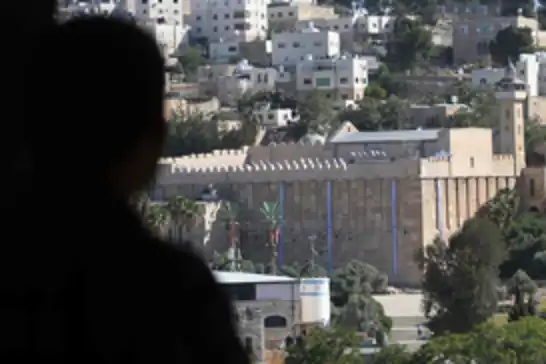
Israeli occupation forces closed the Ibrahimi Mosque in Hebron on Wednesday and prevented Palestinian worshippers and visitors from entering the holy site, citing Jewish holidays, according to local sources.