Merz cancels UN trip as political pressure mounts ahead of German state elections
 13 oC
13 oC 
Güneşli

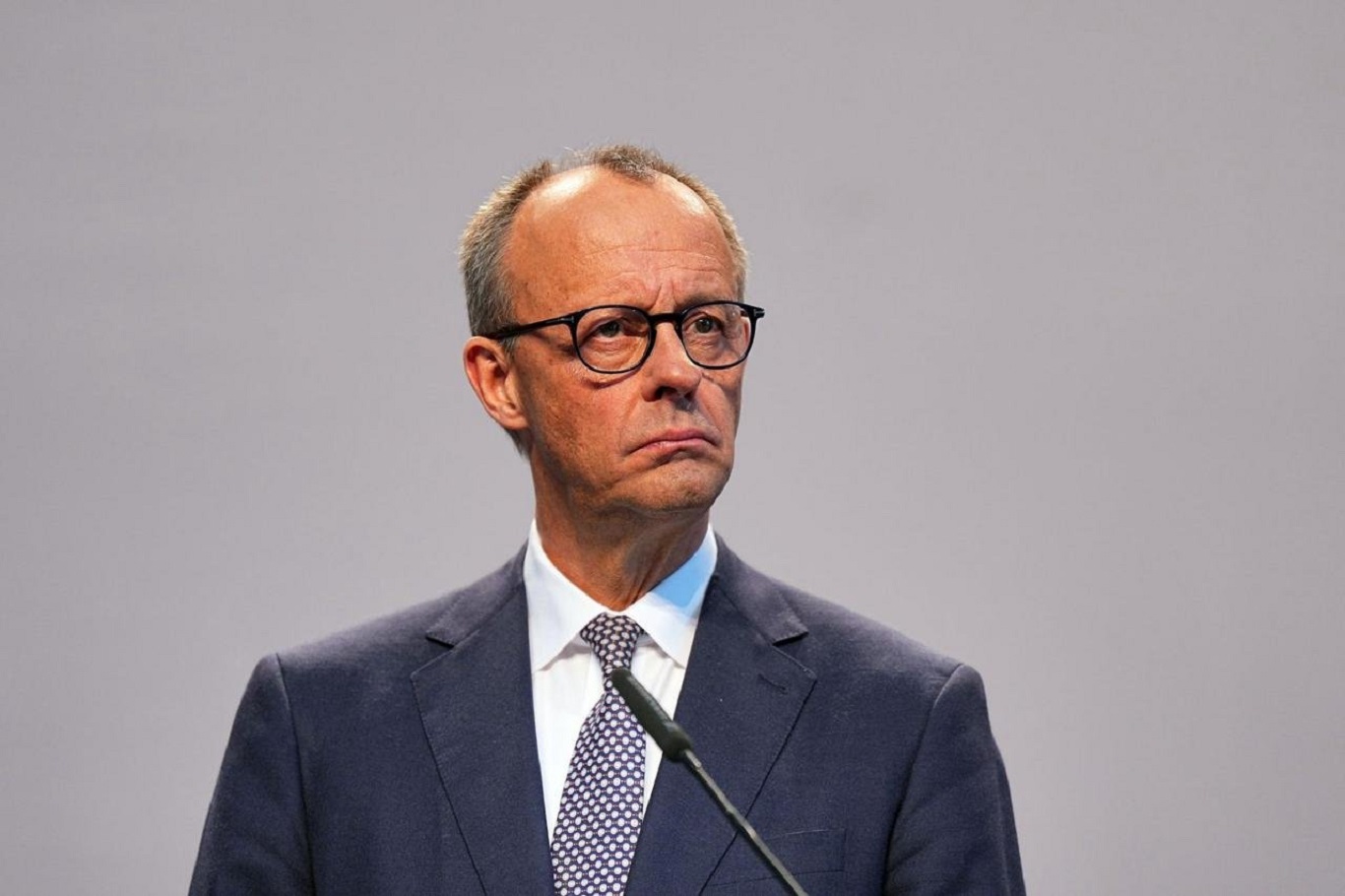
German Chancellor Friedrich Merz has canceled his planned trip to New York for next week’s United Nations General Assembly, saying his presence is required in Berlin as his government faces mounting political pressure ahead of two crucial state elections.
Government sources said Tuesday that Merz would no longer travel to New York for the UN General Debate, where he had been scheduled to address the General Assembly on Wednesday.
The decision comes days after the Christian Democratic Union suffered a major setback in Saxony-Anhalt, where the Alternative for Germany (AfD) won 43.8% of the vote on Sept. 6, while the CDU recorded 17.2% — its lowest result in the eastern German state.
Merz is now preparing for another political test, with voters due to cast ballots in Berlin and Mecklenburg-Western Pomerania on Sept. 20.
AfD reaches record 30% in nationwide poll
The pressure on Merz intensified after a GMS nationwide poll published Monday put the AfD at 30%, its highest-ever level in the survey and 10 percentage points ahead of the CDU/CSU bloc.
The CDU/CSU was measured at 20%, its lowest result recorded by GMS, while the Greens stood at 14% and both the Social Democrats (SPD) and the Left Party were at 11%. The Free Democrats were at 4%, while the Sahra Wagenknecht Alliance registered 3%.
The figures represent a marked shift from the February 2025 federal election, when the CDU/CSU received 28.5% of the vote and the AfD 20.8%.
A separate YouGov poll reported the AfD at 29% and the CDU/CSU at 18%, indicating that the AfD's recent gains are not confined to a single pollster.
Polling figures, however, measure current voter intentions and do not determine the outcome of future elections.
Two state elections in focus
The Sept. 20 elections in Berlin and Mecklenburg-Western Pomerania have taken on added importance following the Saxony-Anhalt result.
In Mecklenburg-Western Pomerania, an early September poll put the AfD at 36%, narrowly ahead of the governing SPD at 33%.
Reuters reported Wednesday that more recent polling in the state had the AfD at 37% and the SPD at 35%, while the CDU was at around 7%.
The elections are state-level contests and will not directly determine the composition of Germany's federal government. However, the results are being closely watched for their potential implications for Merz's leadership of the CDU and his governing coalition.
Merz rejects speculation about his future
Speculation about a possible change in the chancellorship has intensified in recent weeks, particularly following the CDU's defeat in Saxony-Anhalt.
Merz rejected suggestions on Tuesday that he might leave office early, saying he had been elected for a four-year term and remained determined to lead Germany through what he described as a difficult period.
At the same time, senior CDU figures have publicly rallied around the chancellor. Several state premiers, including North Rhine-Westphalia's Hendrik Wüst and Bavaria's Markus Söder, have backed Merz amid growing discussion about the party's future leadership.
Wüst has nevertheless been mentioned in German media reports as a possible future CDU leader and potential successor to Merz.
Any change in the CDU leadership would not automatically trigger a federal election. Under Germany's parliamentary system, the Bundestag could elect another chancellor without dissolving parliament.
CDU faces pressure from the AfD
The AfD's rise has become one of the central challenges facing Germany's established parties.
The party has strengthened its position particularly in eastern Germany, where economic concerns, migration and dissatisfaction with established parties have featured prominently in recent campaigns.
Its 43.8% result in Saxony-Anhalt marked a major breakthrough at state level, although the party did not win an outright majority and would need coalition partners to form a state government.
Merz has sought to counter the AfD while maintaining the CDU's position on issues including migration, the economy and security. His government is also dealing with pressure over economic performance, the cost of living and planned reforms. Reuters reported this week that the chancellor's approval ratings have fallen as the political debate over the government's record has intensified.
Merz chooses Berlin over the UN
The cancellation of the New York trip means domestic politics will take precedence over Merz's planned appearance at the UN General Debate.
The timing is significant. The Berlin and Mecklenburg-Western Pomerania elections will take place on Sunday, while CDU leadership and parliamentary meetings are scheduled immediately afterward.
The CDU's federal leadership is expected to assess the electoral results, while lawmakers from the CDU and its Bavarian sister party, the CSU, will also meet in the Bundestag parliamentary group.
For Merz, remaining in Berlin places him at the center of those discussions as the CDU confronts its weakest nationwide polling position in the current GMS survey and the AfD's strongest.
The coming days are therefore set to provide a clearer picture of the political pressures facing Germany's chancellor and the direction of the country's conservative camp, while the next federal election remains scheduled for 2029. (ILKHA)
LEGAL WARNING: All rights of the published news, photos and videos are reserved by İlke Haber Ajansı Basın Yayın San. Trade A.Ş. Under no circumstances can all or part of the news, photos and videos be used without a written contract or subscription.

The United States has imposed visa restrictions on South Africans it accuses of promoting racial discrimination, inciting violence and supporting land expropriation without compensation, escalating an already strained relationship with Pretoria.
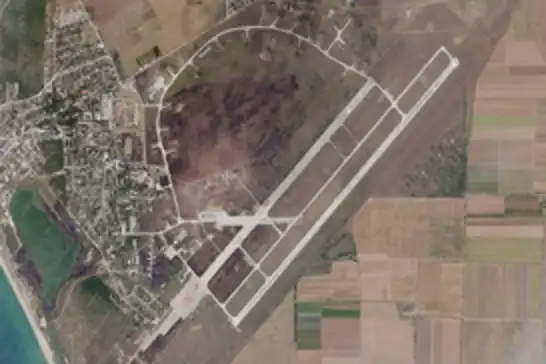
Ukrainian forces struck a Russian Su-24 bomber at the Saky air base in occupied Crimea, along with a number of other Russian military targets, during strikes conducted between September 15 and 16, Ukraine’s General Staff said on Wednesday.
At least 67 people have been killed and many others remain missing after a gold mine collapsed in Sudan's West Kordofan state, according to a medical group and survivors.