IRGC Navy seizes second US underwater drone in Strait of Hormuz
 13 oC
13 oC 
Güneşli

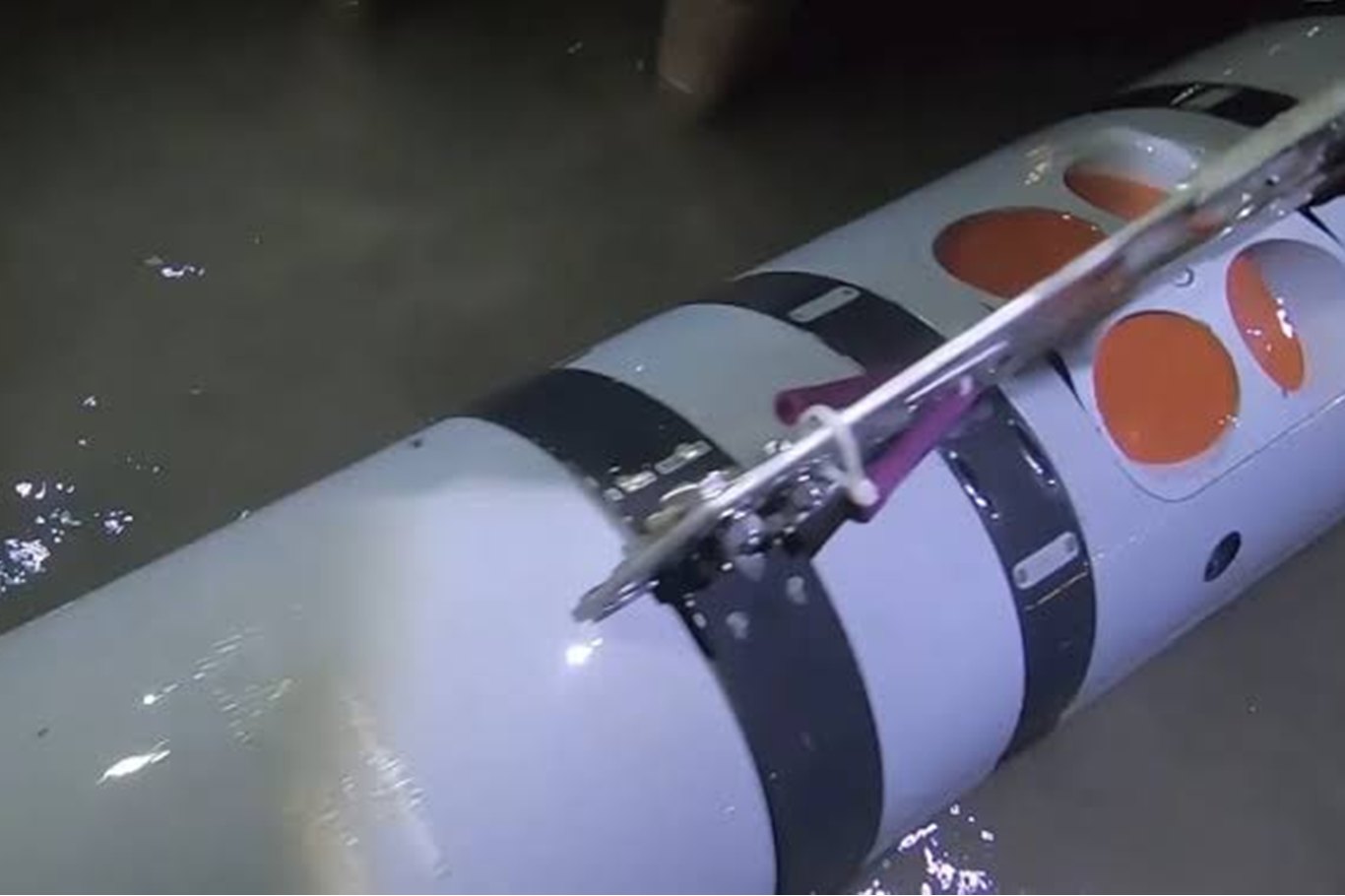
Iran’s Islamic Revolution Guards Corps (IRGC) Navy said Sunday it had seized a second U.S. military unmanned underwater vehicle in the Strait of Hormuz, accusing Washington of conducting intelligence and surveillance activities in the strategic waterway.
In a statement, the IRGC Navy said its forces had carried out a “coordinated and complex” operation using intelligence capabilities and electronic warfare to detect, track and capture the U.S. underwater vehicle.
The seized system was identified as a Remus 600, an advanced remotely operated unmanned underwater vehicle designed for a range of maritime missions.
The IRGC Navy said the vehicle had been taken as “spoils” and was now under the control of Iranian specialists, who were working to retrieve and analyze information stored on the system.
The seizure represents another reported interception of a U.S. unmanned underwater system by Iranian forces in the strategically important waterway.
The IRGC Navy said the Strait of Hormuz “is blocked” and warned that its forces would continue to confront what it described as dangerous activities and attempts by vessels to pass through unauthorized routes.
Iran has repeatedly emphasized its control over the strategic waterway, through which a significant share of global oil and liquefied natural gas shipments normally passes.
The latest incident follows the IRGC Navy’s announcement on Sept. 8 that it had intercepted and captured another U.S. unmanned underwater vehicle near the entrance to the Strait of Hormuz.
That vehicle was identified as a Dive-LD, an autonomous underwater system developed by U.S. defense technology company Anduril Industries.
The Dive-LD was delivered to the U.S. Navy’s Unmanned Undersea Vehicle Group 1 in 2025 and is designed to operate without a crew aboard.
The approximately 5.8-meter-long vehicle can be used for intelligence, surveillance and reconnaissance missions, seabed mapping, infrastructure inspection and mine-countermeasure operations.
The earlier seizure demonstrated Iran’s ability to detect and interfere with sophisticated unmanned systems operating beneath the surface, an increasingly important component of modern naval warfare.
The IRGC Navy's statement placed particular emphasis on its intelligence and electronic warfare capabilities, suggesting that Iranian forces were able to identify and track the underwater system before taking control of it.
Unmanned underwater vehicles are increasingly used by militaries for surveillance and reconnaissance because they can operate for extended periods without putting personnel at risk.
Their ability to collect information on underwater terrain, maritime traffic and infrastructure also makes them potentially valuable for military planning.
Iran has invested heavily in missile, drone, electronic warfare and naval capabilities as part of a strategy aimed at defending its coastline and maintaining control over approaches to the Strait of Hormuz.
The latest seizure comes amid heightened tensions between Iran and the United States and growing military activity around the Gulf.
The Strait of Hormuz, located between Iran and Oman, is one of the world's most strategically important maritime passages.
Its narrow geography gives Iran a significant geographic advantage in monitoring and controlling maritime activity around the waterway. The IRGC Navy operates alongside Iran's regular navy, with the Guards playing a particularly prominent role in coastal defense and asymmetric naval operations.
The seizure of the Remus 600 adds another dimension to the broader confrontation between Tehran and Washington, demonstrating that the competition extends beyond conventional aircraft and missile systems to underwater surveillance and electronic warfare.
Iranian officials have repeatedly warned that foreign military activity near the country's territorial waters will be closely monitored and challenged.
The IRGC Navy said its forces would continue to take decisive actions against unauthorized activity in and around the Strait of Hormuz. (ILKHA)
LEGAL WARNING: All rights of the published news, photos and videos are reserved by İlke Haber Ajansı Basın Yayın San. Trade A.Ş. Under no circumstances can all or part of the news, photos and videos be used without a written contract or subscription.
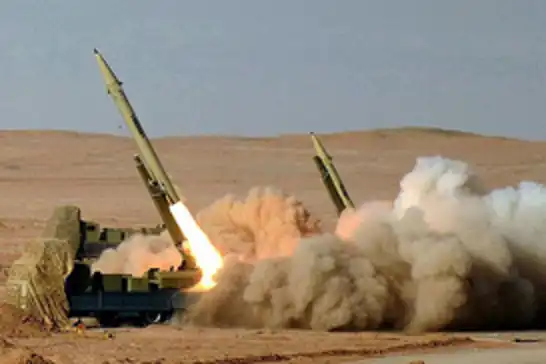
Repeated Iranian missile and drone strikes have exposed the growing vulnerability of the sprawling U.S. military presence across the Middle East, damaging hundreds of buildings and structures and raising questions in Washington over whether the region’s network of American bases remains worth the cost and risk.

At least 12 people were killed and dozens remained missing after a boat capsized on Lake Kivu in eastern Democratic Republic of the Congo, local media reported Sunday.

At least 14 people are missing after an avalanche struck the base camp of the 7,126-metre (23,379-foot) Himlung Himal in Nepal's Manang district, with severe weather hampering efforts to reach the mountain, local officials and expedition organisers said.