Iranian parliament advances strategic Hormuz security plan to safeguard maritime stability
 13 oC
13 oC 
Güneşli

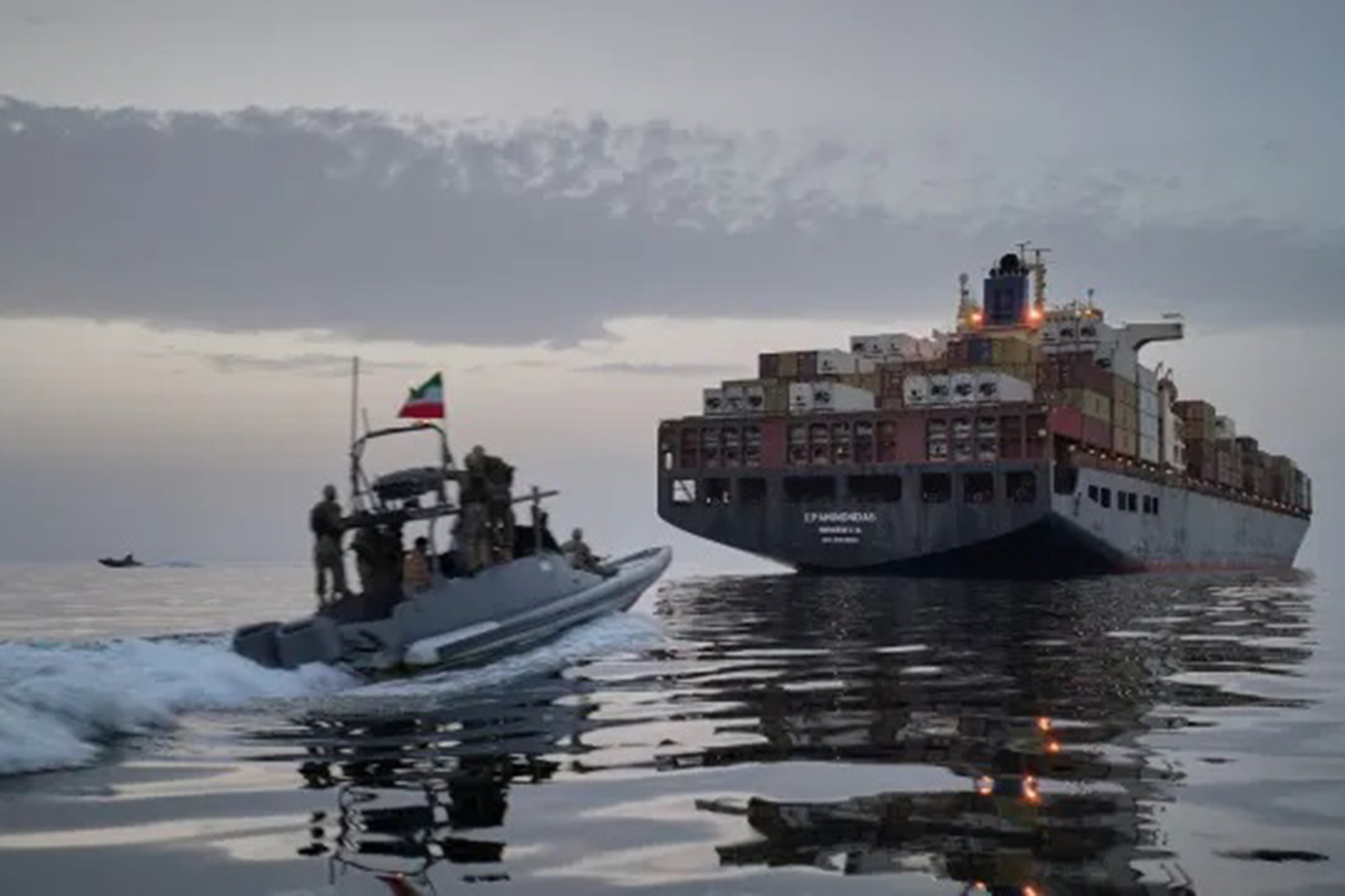
Iran’s Parliament has moved forward with new measures aimed at strengthening security, legal oversight and sustainable development in the strategically vital Strait of Hormuz, approving key provisions of a proposed law designed to regulate maritime passage and protect the interests of the Islamic Republic.
Members of the Parliamentary National Security and Foreign Policy Committee on Tuesday approved Articles 13, 14 and 15 of the proposed Strategic Action Plan for Ensuring the Security and Sustainable Development of the Strait of Hormuz, according to committee spokesperson Hassan Qashqavi.
The legislation, which remains under parliamentary review, seeks to establish a comprehensive legal framework governing navigation through one of the world’s most important energy corridors, while reinforcing Iran’s sovereign rights and responsibilities in maintaining maritime security.
Under Article 13, vessels that violate regulations governing passage through the Strait of Hormuz would be subject to penalties under Iran’s Islamic Penal Code.
Qashqavi said ships found in breach of the regulations could be required to pay an amount equivalent to 20% of their cargo or its value, while temporary detention measures could be imposed until the required obligations are fulfilled.
The article also calls for the creation of specialized judicial branches dedicated to maritime and law-of-the-sea cases, bringing together judges and legal experts with expertise in international maritime regulations.
Iranian lawmakers say the measure would establish a transparent legal mechanism for addressing disputes and violations related to navigation in the strategic waterway, which carries a significant share of global energy supplies.
Article 14 introduces penalties for individuals or entities whose actions hinder the implementation of the proposed law.
According to committee officials, anyone obstructing the proper and timely execution of the legislation would face penalties stipulated under Iran’s legal system unless stricter punishments are prescribed elsewhere.
The article also emphasizes that any international agreement concerning the Strait of Hormuz must conform to the provisions of the Iranian Constitution, particularly those related to national sovereignty, international treaties and national security.
Lawmakers said these provisions are intended to ensure that decisions affecting one of the region’s most sensitive maritime corridors remain fully aligned with Iran’s constitutional framework and national interests.
Article 15 requires Iran’s Armed Forces General Staff to submit quarterly reports to Parliament’s National Security and Foreign Policy Committee regarding implementation of the legislation.
Reports may be delivered directly by the General Staff or through the Ministry of Defense, establishing regular parliamentary oversight and coordination between military, legal and governmental institutions.
Iranian officials have repeatedly stated that the Islamic Republic is committed to preserving security and freedom of navigation in the Persian Gulf and the Strait of Hormuz, while safeguarding regional stability and protecting maritime routes from threats.
The latest approvals form part of a broader legislative initiative aimed at creating a long-term framework for the management, security and sustainable development of the Strait of Hormuz.
Earlier provisions examined by lawmakers included mechanisms related to maritime services and measures concerning entities that Tehran considers responsible for unilateral sanctions or hostile actions against the Islamic Republic.
The Strait of Hormuz remains one of the world’s most strategically important waterways, serving as a key route for international trade and global energy supplies.
Iranian officials maintain that strengthening legal regulations, enhancing maritime oversight and developing institutional mechanisms are essential steps toward ensuring stability, security and orderly navigation in the region.
The proposed legislation will continue through the parliamentary process before becoming law, with Article 16 expected to be discussed in upcoming committee sessions. (ILKHA)
LEGAL WARNING: All rights of the published news, photos and videos are reserved by İlke Haber Ajansı Basın Yayın San. Trade A.Ş. Under no circumstances can all or part of the news, photos and videos be used without a written contract or subscription.
Turkish President Recep Tayyip Erdoğan and Qatar’s Emir Sheikh Tamim bin Hamad Al Thani discussed bilateral ties, regional developments and global issues during a meeting in New York on Tuesday on the sidelines of the 81st session of the United Nations General Assembly.

A US Air Force F-16 fighter jet crashed on Tuesday after taking off from Spangdahlem Air Base in Germany's western state of Rhineland-Palatinate, while the pilot ejected safely and survived the incident.

European Union member states have reached an agreement to extend sanctions against more than 3,000 Russian individuals and entities for another 36 months, while removing businessmen Alisher Usmanov and Mikhail Fridman from the sanctions list.