Iranian Foreign Minister sets out Tehran’s priorities ahead of UNGA
 13 oC
13 oC 
Güneşli

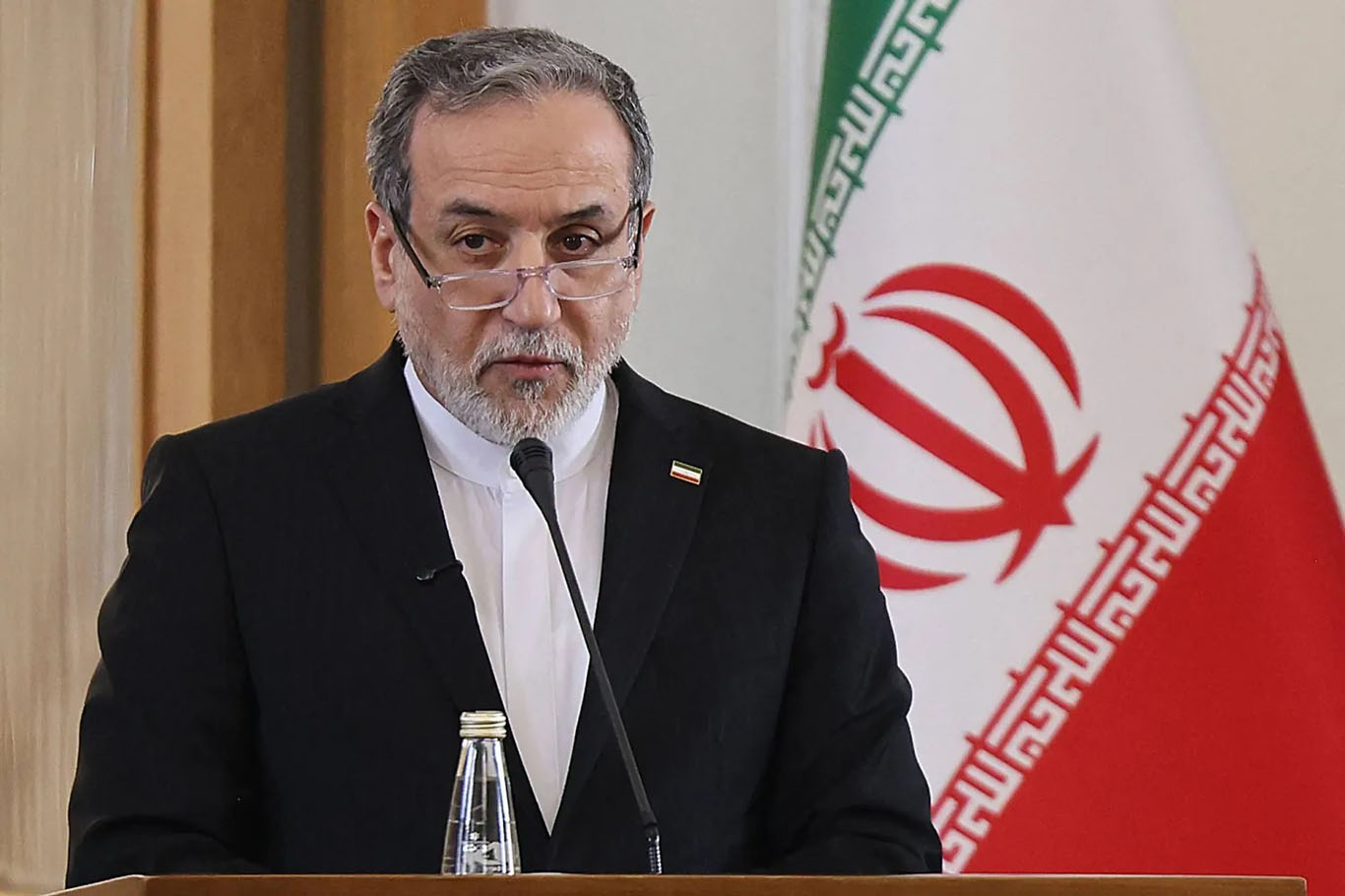
Iranian Foreign Minister Seyyed Abbas Araghchi said Monday that defending the rights and interests of the Iranian people would be the main objective of Tehran’s participation in the 81st session of the United Nations General Assembly in New York.
Speaking to reporters at the start of his visit, Araghchi said the Iranian delegation was attending the annual UN gathering following what he described as a “war of aggression” by the United States and Israel, adding that the situation remained, in his assessment, “a state of war.”
“Our most important objective is to appear on a major international platform to defend the righteousness, the rights and the interests of the Iranian people,” Araghchi said.
Araghchi described the United Nations as the world's largest international diplomatic forum, while questioning whether it had fully achieved its stated goals of promoting peace, security and justice.
Nevertheless, he said the UN General Assembly remained an important platform through which countries could present their positions to the international community.
“Every year we have used this opportunity to set out the rightful positions of the Islamic Republic of Iran — our well-known stances — and to defend the rights of the Iranian people,” he said.
Araghchi said Iran would use this year's gathering to highlight what he described as the suffering of the Iranian people and to commemorate those killed in the recent conflict, including victims of the Minab school incident and what he referred to as Iran's “martyred Leader.”
The foreign minister also recalled President Masoud Pezeshkian's address to the General Assembly last year, saying Pezeshkian had used the platform to highlight what Tehran described as atrocities committed during the 12-day war.
“This year, naturally, we find ourselves in an even more critical situation,” Araghchi said.
According to Araghchi, Pezeshkian will address the General Assembly and hold meetings with intellectuals, media figures and other thinkers from Iran and abroad.
The Iranian president is also expected to give interviews to international media outlets and hold a series of bilateral meetings with foreign heads of state, Araghchi said.
The foreign minister said he would likewise hold talks with his counterparts on the sidelines of the General Assembly, describing the meetings as an opportunity to discuss bilateral relations, explain Iran's positions and pursue the country's interests.
Iranian officials will also participate in a number of meetings and side events during the UNGA week, including gatherings involving the Organization of Islamic Cooperation (OIC) and the Non-Aligned Movement (NAM), as well as an environment-focused summit.
Araghchi said the large number of officials gathered in New York would provide an opportunity for Tehran to hold bilateral discussions with representatives of various countries.
“Ultimately, the scheduled meetings — and the fact that everyone is present — offer an opportunity for bilateral discussions to review Iran's relations with various countries,” he said.
He added that the Iranian delegation planned to make extensive use of its four- to five-day program in New York. (ILKHA)
LEGAL WARNING: All rights of the published news, photos and videos are reserved by İlke Haber Ajansı Basın Yayın San. Trade A.Ş. Under no circumstances can all or part of the news, photos and videos be used without a written contract or subscription.
New York City Mayor Zohran Mamdani has reiterated his call for the International Criminal Court (ICC) arrest warrant against Israeli Prime Minister Benjamin Netanyahu to be honored, saying that accountability for alleged crimes against Palestinians must apply to all political leaders.
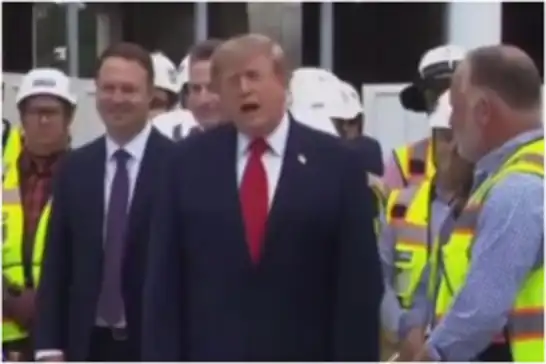
US President Donald Trump's appearance at the White House drew attention after he delivered remarks without the usual microphone setup, while journalists covering the event were also seen without their standard audio equipment.
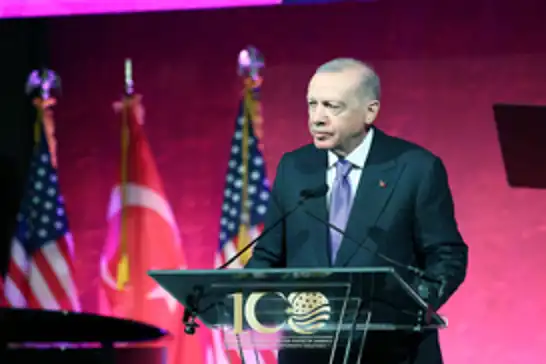
Turkish President Recep Tayyip Erdoğan said Türkiye and the United States need to maintain close dialogue and cooperation in the face of ongoing conflicts and geopolitical crises, while expressing confidence that bilateral trade could reach $40 billion this year.