Iran says no foreign power will dictate the terms of peace
 13 oC
13 oC 
Güneşli

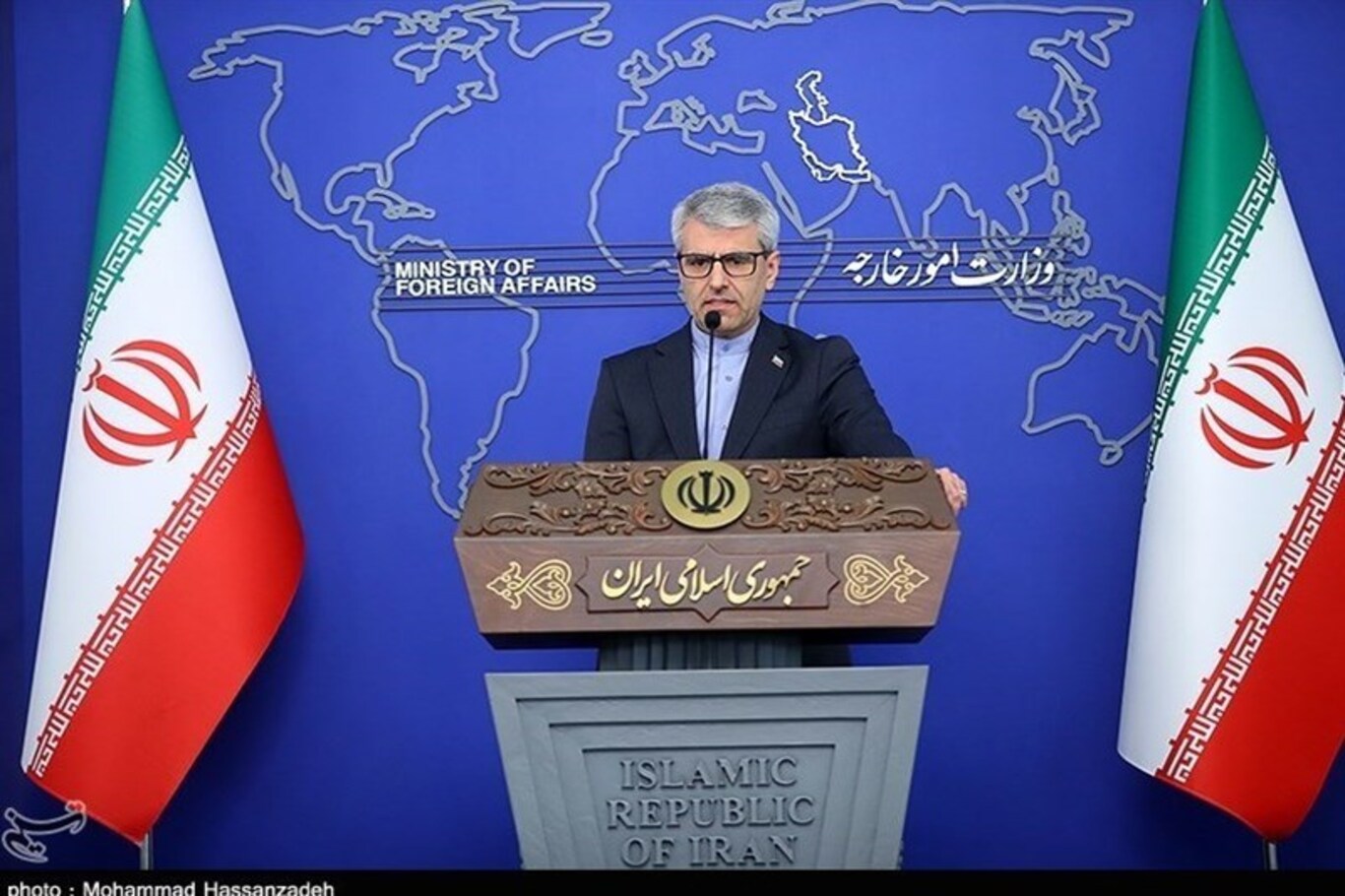
Iran has firmly rejected any attempt by its adversaries to dictate the terms of an end to the conflict, with Foreign Ministry spokesman Esmaeil Baghaei declaring that Tehran will not surrender its national rights or accept a settlement imposed by those responsible for the aggression.
Speaking at his weekly press briefing on Monday, Baghaei emphasized that Iran did not initiate the war and has consistently acted in defense of its sovereignty, territorial integrity and national interests.
“We certainly didn't initiate the war, but we won't allow the end of the war to be based on the terms of the aggressor,” he said.
Baghaei stressed that the Islamic Republic would not respond to aggression with appeasement, arguing that any genuine path toward peace must begin with recognition of Iran's legitimate rights and accountability for those who initiated hostilities.
Baghaei said Iran had repeatedly demonstrated restraint and goodwill in an effort to prevent escalation, but those efforts had been met with what he described as hostility, broken promises and violations of international commitments.
He pointed to the 2015 nuclear agreement, formally known as the Joint Comprehensive Plan of Action (JCPOA), as a prominent example of commitments that were ultimately violated.
According to the spokesman, Tehran spent the past 18 months taking diplomatic steps to prevent war and safeguard its national interests. He argued that Iran's record demonstrates that the country neither sought nor welcomed the conflict.
Baghaei said Iranian policymakers were continuing to assess all political and diplomatic options, but stressed that any settlement must protect Iran's sovereignty and cannot simply reflect the demands of the opposing side.
The spokesman acknowledged the severe economic consequences of the conflict and years of US pressure, including disruptions to businesses and damage affecting Iran's energy infrastructure.
However, he said the Iranian government remains focused on protecting the population and limiting the impact of external pressure on ordinary citizens.
Baghaei rejected the idea that sanctions could force Iran to abandon its national interests, warning that economic warfare ultimately places its greatest burden on civilians.
“It is a mistake to test Iranians because of their civilizational richness,” he said.
He added that Iran would use all available multilateral mechanisms to resist sanctions and had already taken steps to prepare for continued economic pressure.
Baghaei strongly rejected US claims concerning shipping through the Strait of Hormuz, characterizing such statements as part of a broader campaign of political and media pressure against Iran.
He also described the naval blockade imposed on Iran as an explicit act of aggression and warned that Tehran would not remain passive in the face of measures threatening its sovereignty and economic interests.
Any further escalation, he cautioned, could carry serious consequences.
The remarks underscored Iran's position that the security of the Strait of Hormuz cannot be separated from the country's national security and sovereign rights.
Turning to regional diplomacy, Baghaei confirmed the planned visit of Pakistan's Army Chief, Field Marshal Asim Munir, to Tehran.
He described relations between Iran and Pakistan as being at one of their strongest stages and said both sides were determined to expand cooperation across political, economic and security fields.
Baghaei rejected attempts to link Munir's visit to the scheduled arrival of Oman's Foreign Minister Sayyid Badr Albusaidi, saying the visits were separate despite occurring within a similar timeframe.
Talks with the Omani delegation are expected to address bilateral relations as well as security and maritime traffic issues surrounding the Strait of Hormuz.
Tehran also denied receiving an invitation for a reported trilateral agreement involving Iran, Türkiye and Saudi Arabia.
Baghaei highlighted Iran's growing diplomatic engagement with Afghanistan, pointing to recent high-level talks between President Masoud Pezeshkian and Afghan officials, including Mullah Abdul Ghani Baradar.
The discussions focused on removing legal, border and administrative obstacles to expanding trade between the two neighboring countries.
Baghaei said Iran's Foreign Ministry had maintained its diplomatic activities and administrative reforms despite the extraordinary pressures created by the conflict.
Baghaei also condemned France's decision to expel an Iranian cultural adviser, describing the move as an unlawful response to legitimate Iranian action.
He said Tehran had previously warned two employees of the French Embassy after accusing them of activities outside their diplomatic responsibilities.
The French ambassador was subsequently summoned, and Iran's objections were conveyed through both written and verbal diplomatic channels.
Baghaei accused French authorities of misrepresenting the circumstances and defended Iran's response as a legitimate measure to protect its national interests.
The Iranian Foreign Ministry also raised concerns over Iranian citizens detained in Kuwait.
Baghaei said Kuwaiti authorities must take responsibility for the situation and confirmed that Iran's ambassador had eventually been permitted to meet four detained Iranian nationals.
Tehran, he said, hopes the detainees will be released as soon as possible.
Regarding Iranian pilots in Qatar, Baghaei said Iran's demands remain in place until the circumstances surrounding their situation are fully clarified.
Baghaei's remarks presented a clear message from Tehran: economic sanctions, military pressure and diplomatic coercion will not force Iran to surrender its sovereign rights.
The spokesman emphasized that Iran has repeatedly chosen diplomacy and demonstrated goodwill, but argued that continued pressure and broken commitments cannot form the basis of a sustainable peace. (ILKHA)
For Tehran, any future settlement must recognize Iran's territorial integrity, national sovereignty and legitimate rights while holding those responsible for aggression and violations of agreements accountable.
Iran, Baghaei made clear, is prepared to pursue diplomacy but will not accept a peace dictated by its adversaries. (ILKHA)
LEGAL WARNING: All rights of the published news, photos and videos are reserved by İlke Haber Ajansı Basın Yayın San. Trade A.Ş. Under no circumstances can all or part of the news, photos and videos be used without a written contract or subscription.
The East Turkistan Maarif Movement has issued an urgent international appeal calling on the global community, particularly Turkic and Muslim nations, to confront systematic genocidal policies carried out by Chinese authorities in East Turkistan (Xinjiang).
Ukrainian President Volodymyr Zelensky has claimed that Russia is preparing to mobilize around 300,000 additional troops after the State Duma elections in September, with the Kremlin expected to focus the recruitment effort on the country's regions rather than major cities to limit public backlash.
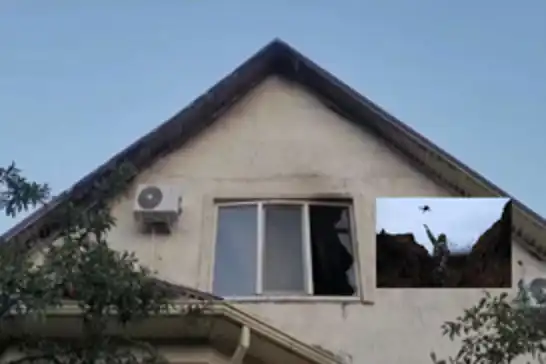
At least three teenagers were killed and six other children were injured in a wave of Ukrainian drone strikes targeting Russia's southern regions early Monday, Russian officials said, as several logistics facilities belonging to online retail giant Ozon were also hit.