Indonesia battles worsening wildfires as El Niño fuels heat and drought
 13 oC
13 oC 
Güneşli

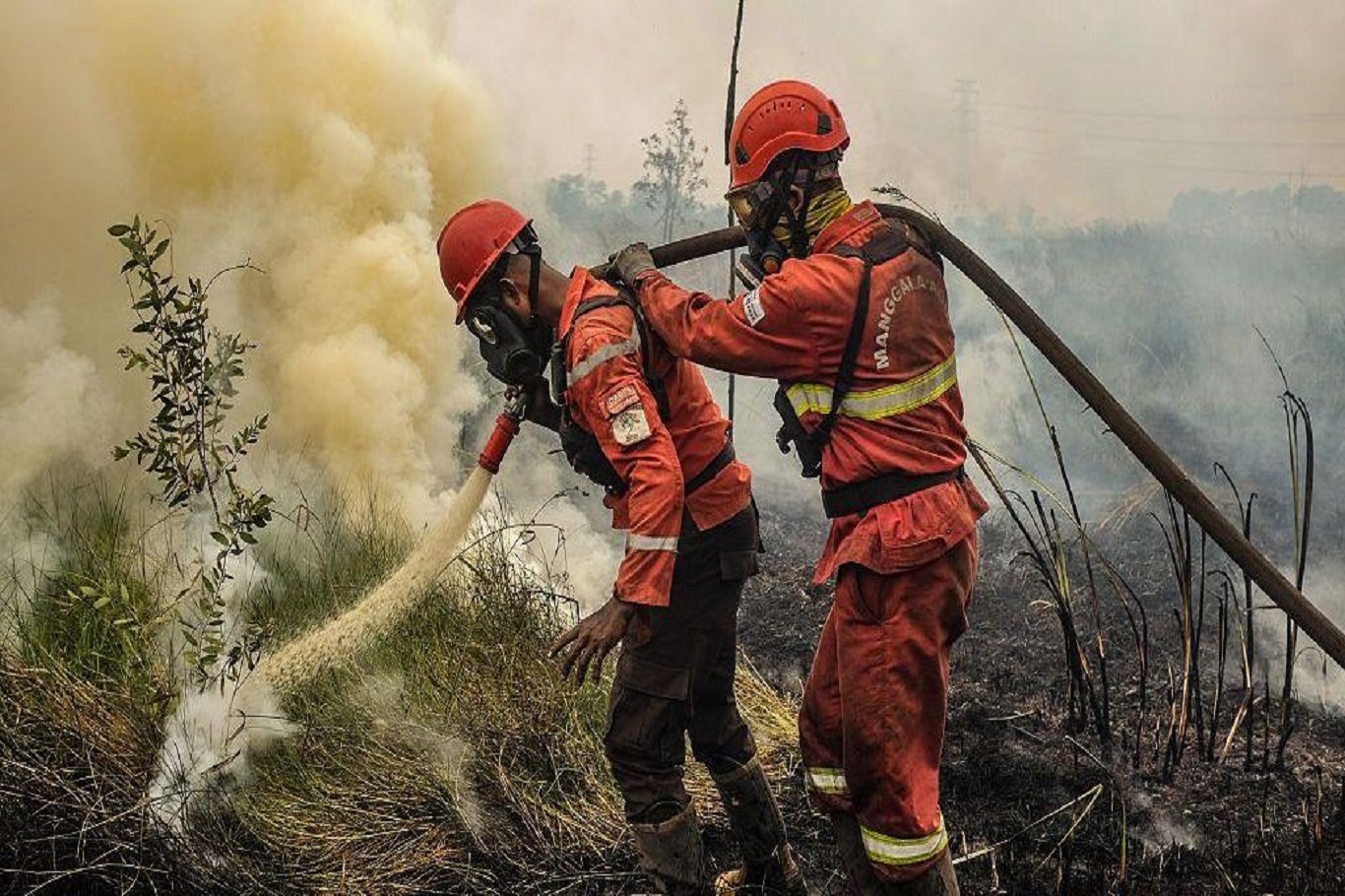
Firefighters, military personnel and local residents are battling a rapidly worsening wave of forest and peatland fires across Indonesia, as an intense El Niño weather pattern fuels extreme heat and drought, sending hazardous smoke across Southeast Asia.
The fires, concentrated mainly on the islands of Sumatra and Borneo, have produced some of the highest wildfire emissions recorded globally this year. Smoke has spread beyond Indonesia to Malaysia, Singapore, Brunei and the Philippines, prompting health warnings, school closures and restrictions on outdoor activities in several areas.
Indonesia's Health Ministry said more than 113,000 people had suffered respiratory illnesses linked to the fires as of September 9, more than double the 50,891 cases recorded a week earlier. More than 12.5 million people across seven provinces have been exposed to wildfire smoke, according to government figures.
The scale of the crisis has also disrupted education. More than 1.4 million Indonesian students have been shifted to remote learning because of hazardous air quality, with schools particularly affected in Sumatra and Borneo. In Palembang, the capital of South Sumatra, more than 250,000 students across about 1,030 schools were moved to online classes.
Emissions surge
The European Union's Copernicus climate monitoring service estimated that Indonesia's fire-related carbon dioxide emissions reached 19.7 million metric tons between September 1 and 7, accounting for more than one-third of global wildfire emissions during that period.
The emissions were more than four times Indonesia's seasonal average and surpassed those of Russia, making Indonesia the world's largest source of wildfire emissions for the week.
Government data show that more than 202,000 hectares of land had burned between January and July. Environmental estimates indicate the fires expanded dramatically in August, with as much as another 600,000 hectares potentially affected. Authorities have warned that the fire season could continue into October.
The situation has been particularly severe in West and Central Kalimantan, where large areas of peatland have been engulfed by fires. Peat fires are especially difficult to extinguish because flames can spread underground and continue smoldering for weeks before resurfacing.
El Niño worsens conditions
Indonesia's forestry authorities have warned that efforts to contain the fires will become increasingly difficult as the El Niño phenomenon reaches its expected peak this month.
The climate pattern has brought hotter and drier conditions to large parts of Southeast Asia, leaving forests and peatlands exceptionally vulnerable to ignition and allowing existing fires to spread rapidly. Indonesian officials have nevertheless stressed that weather conditions alone do not start most fires, with human activity remaining a major factor.
Authorities have arrested dozens of people suspected of deliberately starting fires. Indonesian police said this week that 139 suspects had been identified in connection with about 200 forest and land-fire cases nationwide.
Environmental groups have long warned that the clearing and burning of land for agriculture and plantations, particularly on carbon-rich peatlands, can transform seasonal fires into major environmental disasters.
Haze spreads across borders
The thick smoke has created a regional public-health emergency.
Parts of Malaysia's Borneo state of Sarawak have experienced hazardous air pollution, while smoke has also reached other parts of Malaysia, Singapore and the Philippines. Malaysia has reported a sharp increase in asthma and other respiratory problems as prolonged haze has affected communities across the region.
The Association of Southeast Asian Nations has activated its highest-level transboundary haze alert for the southern part of the region, reflecting the growing threat posed by cross-border smoke pollution.
Indonesia has deployed tens of thousands of personnel and dozens of aircraft for firefighting operations, including water bombing and weather-modification efforts. Japan has also sent three CH-47 Chinook helicopters and personnel to assist Indonesian authorities in combating fires in West Kalimantan.
With dry conditions expected to persist and peatlands remaining highly flammable, officials and environmental experts warn that the crisis could continue to worsen before seasonal rains provide meaningful relief.
The fires are not only threatening forests and wildlife but are also turning a national environmental emergency into a wider regional health and climate crisis. (ILKHA)
LEGAL WARNING: All rights of the published news, photos and videos are reserved by İlke Haber Ajansı Basın Yayın San. Trade A.Ş. Under no circumstances can all or part of the news, photos and videos be used without a written contract or subscription.

Israeli occupation forces carried out a series of raids across the occupied West Bank late Saturday and early Sunday, detaining at least 11 Palestinians, including two children, according to local sources.

Sweden is heading toward a closely contested election that could reshape the country’s political landscape and mark a major shift in the balance of power between the traditional parties and the far right.

Myanmar’s military-backed government has stepped up its efforts to remove the country’s ambassador to the United Nations, Kyaw Moe Tun, accusing him of illegally occupying the post as the UN prepares to consider competing claims over who should represent Myanmar.