Ghalibaf: Iran will keep Strait of Hormuz closed until its conditions are met
 13 oC
13 oC 
Güneşli

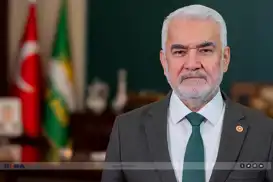
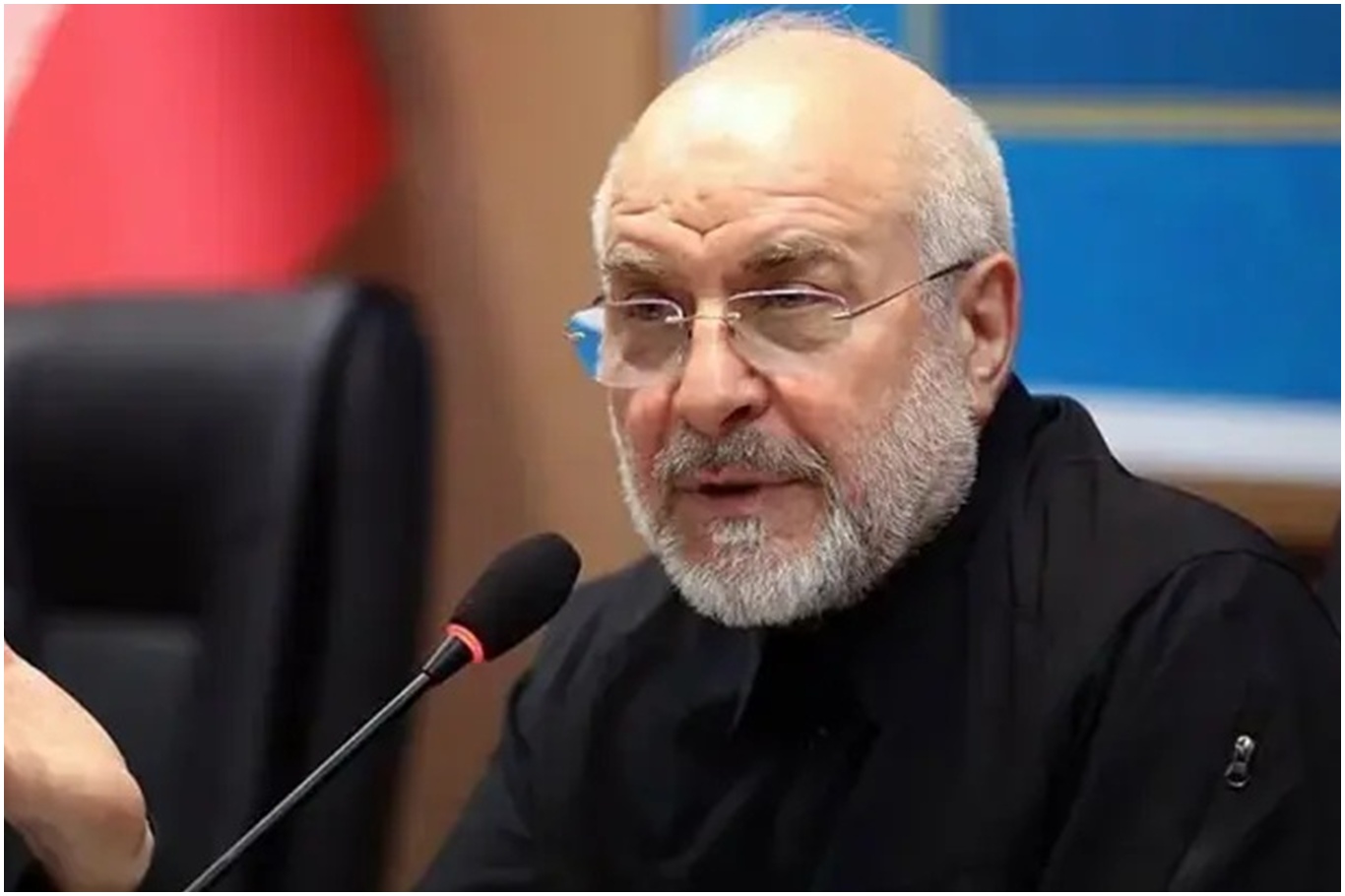
Iran will keep the Strait of Hormuz closed until its conditions are fulfilled and the United States implements its commitments, Iranian Parliament Speaker Mohammad Bagher Ghalibaf said Sunday, reaffirmingn’s dete Tehrarmination to combine military resistance with diplomacy.
Speaking before a parliamentary session, Ghalibaf said Iran had made its position clear through intermediaries and would not return to previous negotiating arrangements unless its rights were recognized and Washington fulfilled its commitments. His remarks were reported by Iranian state media and independently echoed by Anadolu Agency and other international outlets.
“We must fight rationally and firmly, and negotiate firmly and rationally at the appropriate time,” Ghalibaf said, stressing that Tehran viewed military and diplomatic efforts as complementary rather than contradictory.
Ghalibaf said Tehran had already communicated its demands to the opposing side through mediators and rejected what he described as attempts to impose unilateral conditions on Iran.
He said there would be no return to the previous framework of negotiations, nor any reopening of the Strait of Hormuz, until Iran's conditions were met, its legitimate rights recognized and US commitments implemented.
“The path of deception and unilateral imposition is closed,” Ghalibaf said, according to Iranian and regional media reports.
The comments came a day after Iranian Supreme National Security Council Secretary Mohsen Rezaei outlined conditions Tehran has said would be necessary for renewed negotiations, including an end to hostilities, the release of frozen Iranian assets and an end to the naval blockade.
Ghalibaf argued that Iran's approach was based on strengthening its position while keeping diplomatic channels available.
He said Iran would use its military capabilities when necessary to confront threats and would subsequently use diplomacy to consolidate what Tehran considers gains achieved on the battlefield.
“The dichotomy between war and negotiation is not real,” Ghalibaf said, emphasizing that Iran could pursue both tracks simultaneously.
The parliament speaker also said Iran had demonstrated during the conflict that it would not remain passive in the face of attacks, describing Tehran's strategy as one of calculated resistance and advancing what he called the will and rights of the Iranian people.
Ghalibaf also rejected suggestions that the conflict would bring Iran's domestic life and development to a standstill.
He said Tehran would continue pursuing economic development, education and scientific activity, arguing that the continuation of everyday life demonstrated Iran's resilience despite the confrontation.
“We will not allow the enemy's illusions to slow the pulse of life, production and science in the country,” he said, according to IRNA.
The Strait of Hormuz has become a central element of the confrontation because of its importance to global energy markets. Shipping through the waterway has fallen sharply amid the conflict. Reuters reported that only four commodity vessels crossed the strait on Thursday, compared with a 10-day average of 16, although tracking data may not capture vessels whose transponders are switched off.
Iran's decision to link the reopening of the waterway to the fulfillment of its political and security demands therefore gives Tehran significant leverage in any future negotiations.
Ghalibaf said Iran's current defense strategy had also evolved beyond conventional geographic front lines, arguing that Tehran's resistance was aimed not only at protecting Iran but also at shaping a different regional balance.
“The old American order in West Asia has collapsed today,” he said, calling on regional countries to work toward a new regional order.
For Tehran, he added, the future of the region would be determined through what he described as rationality, courage and resistance rather than concessions under pressure.
Iran's position leaves the reopening of the Strait of Hormuz closely tied to the broader diplomatic process, with Tehran insisting that any new negotiating framework must recognize its stated conditions and rights. (ILKHA)
LEGAL WARNING: All rights of the published news, photos and videos are reserved by İlke Haber Ajansı Basın Yayın San. Trade A.Ş. Under no circumstances can all or part of the news, photos and videos be used without a written contract or subscription.
Iran’s air defense forces have intercepted and destroyed an advanced Orbiter reconnaissance drone over the Strait of Hormuz, the Iranian Army said Sunday, in the latest reported confrontation involving an American unmanned aircraft and Iran’s integrated air defense network.
US President Donald Trump has threatened Iran with the possibility of destroying the country, while saying he remains open to meeting Iranian President Masoud Pezeshkian at the United Nations General Assembly in New York.

An Israeli settler was killed and several others were wounded in a shooting near the illegal Halamish settlement, northwest of Ramallah in the occupied West Bank, amid escalating Israeli military raids, settler violence and restrictions on Palestinian movement across the territory.