Gaza documentary ‘NAZA’ to stream free online after global theatrical release

 13 oC
13 oC 
Güneşli

The award-winning documentary “NAZA,” which examines allegations that Israel used artificial intelligence-driven systems in its military campaign in Gaza and enabled large-scale civilian casualties, will be made available to watch online for free after its international theatrical release, its co-director Yuval Abraham said Thursday.
Abraham, an Israeli filmmaker who co-directed the film with fellow Israeli filmmaker Rachel Szor, said the documentary will be available on The Guardian’s website in November, following its theatrical rollout across dozens of countries. The Guardian produced the film in partnership with filmmaker James Wilson and distributor MK2 Films.
The 80-minute documentary premiered at the Venice Film Festival on Sept. 10 and received a 25-minute standing ovation. It subsequently won the festival's Special Jury Prize, bringing international attention to its investigation into Israel's military operations in Gaza.
NAZA is based partly on testimony from 24 Israeli military and intelligence personnel, who spoke anonymously about targeting and surveillance systems used during the Gaza war. The film examines allegations concerning AI-assisted targeting and the way potential civilian casualties were assessed before strikes.
The film's title refers to a term described by the filmmakers and The Guardian as an Israeli military acronym indicating the number of civilians expected to be killed in an airstrike. The documentary builds on investigative reporting published between 2023 and 2025 by The Guardian, the Israeli-Palestinian publication +972 Magazine and Hebrew-language outlet Local Call.
Among the systems examined is the use of AI-assisted tools to identify potential targets in Gaza. The Israeli military has denied the allegations, while critics of the documentary have questioned the reliance on anonymous sources and disputed its portrayal of Israeli military operations.
The documentary has also triggered a fierce political and public backlash in Israel. Culture Minister Miki Zohar called for Abraham and Szor to have their Israeli citizenship revoked, accusing them of “treason against the state.” The filmmakers have also faced threats following the film's premiere.
Abraham said the film had been offered to Israeli cinemas at no cost in the hope that it would be screened domestically before its online release. The Guardian said it is also exploring ways for the documentary to be shown in the occupied Palestinian territories.
The film is scheduled for theatrical release beginning Sept. 28 in 56 territories, including the United States, United Kingdom, France, Germany, Australia, Japan, Canada, Brazil, Türkiye and countries across the Middle East. Its North American premiere is scheduled for Sept. 26 at the New York Film Festival, followed by a U.S. theatrical opening in New York on Sept. 30.
The decision to make NAZA freely available online is expected to significantly broaden access to the documentary, particularly as debate continues over Israel's conduct of the Gaza war, the use of automated and AI-assisted military technologies, and the accountability of those responsible for civilian casualties. (ILKHA)
LEGAL WARNING: All rights of the published news, photos and videos are reserved by İlke Haber Ajansı Basın Yayın San. Trade A.Ş. Under no circumstances can all or part of the news, photos and videos be used without a written contract or subscription.
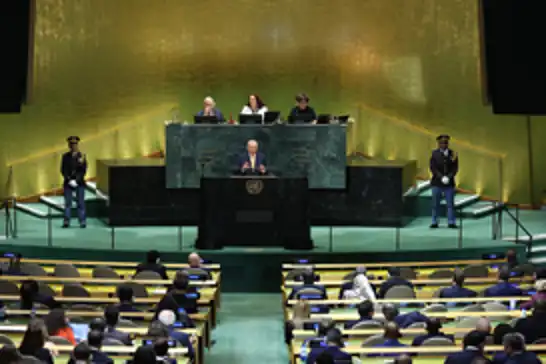
Turkish President Recep Tayyip Erdoğan concluded a four-day visit to New York for the 81st session of the United Nations General Assembly after holding a series of bilateral meetings with world leaders and senior international officials, with Gaza, regional security, the Russia-Ukraine war, Iran, Iraq and economic cooperation among the main issues on his agenda.
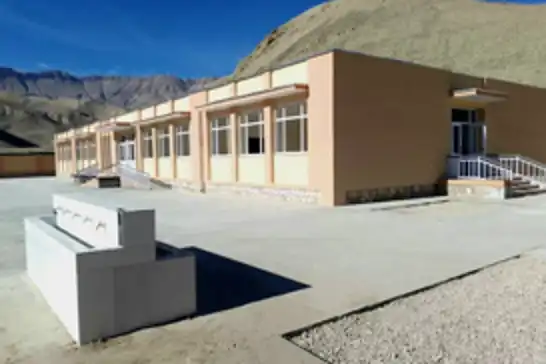
Afghanistan has continued efforts to expand its education infrastructure with the construction of a new school building worth $300,000 in the northern province of Kunduz.

The Israeli regime has approved plans for the construction of 567 new settlement units in two settlements in the Hebron (Al-Khalil) governorate in the occupied West Bank.
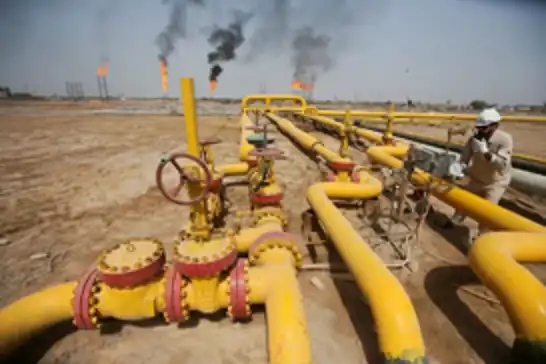
Djibouti and Ethiopia have launched the "Horn of Africa Energy Corridor" project to strengthen energy supply security and reduce costs and logistical risks in the transportation of petroleum products between the two countries.