EU Council adopts new rules for pharmaceutical sector
 13 oC
13 oC 
Güneşli

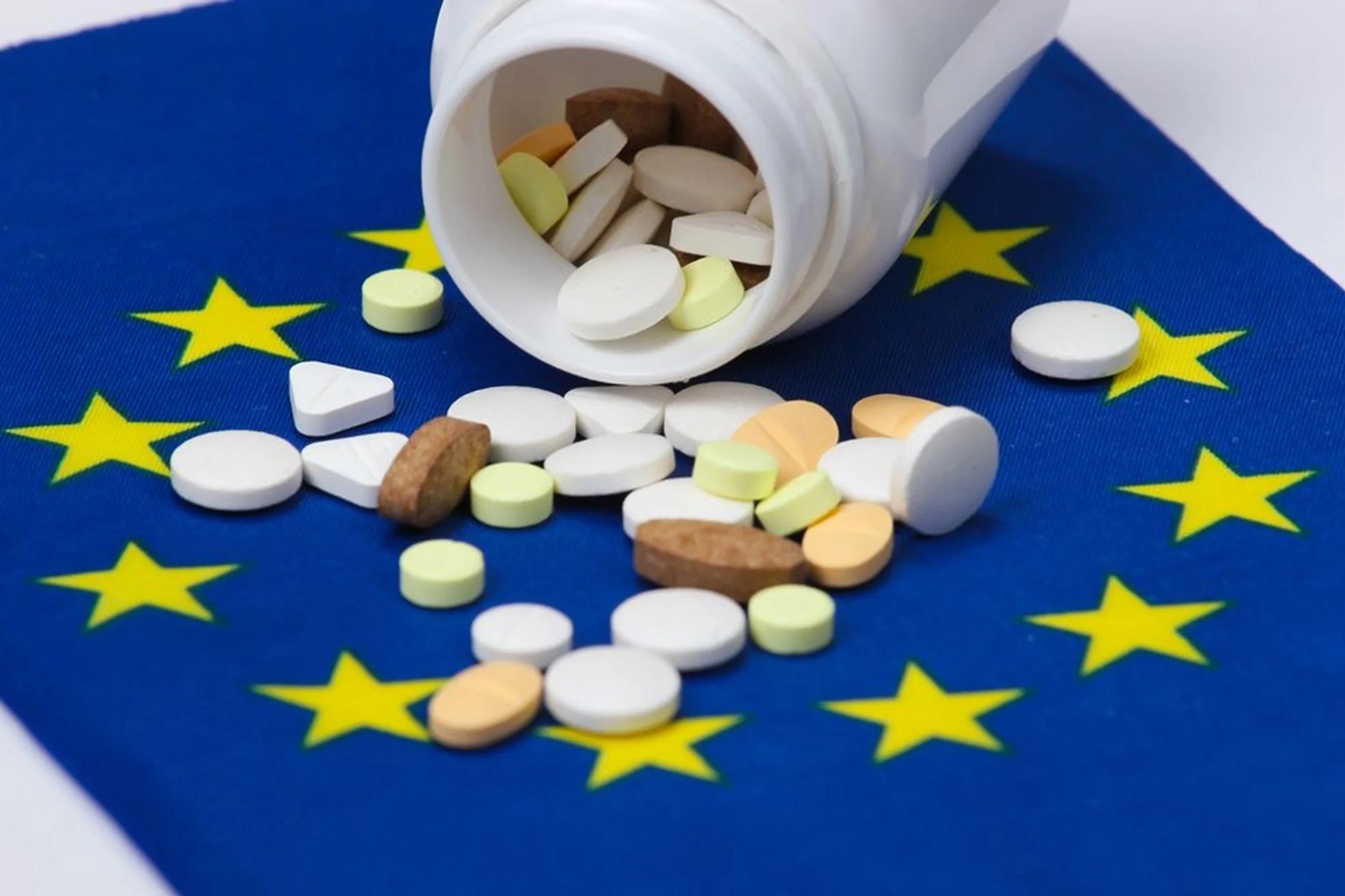
The Council of the European Union has adopted new rules introducing comprehensive changes to the bloc's pharmaceutical legislation, aiming to improve patients' access to safe, effective and affordable medicines while supporting innovation in the pharmaceutical sector.
The new regulations seek to establish a balance between providing longer-term protection for companies developing innovative medicines and ensuring that generic and biosimilar medicines can enter the market more quickly.
Under the new rules, data obtained by pharmaceutical companies through pre-clinical studies and clinical trials for new medicines will be protected for eight years. During this period, the data cannot be used for the approval of generic or biosimilar versions of the same medicine.
New medicines will also receive one year of market protection against generic and biosimilar competitors. This period can be extended by an additional year for medicines that meet certain criteria, including those developed for areas where there are insufficient treatment options.
With these extensions, the maximum protection period available for new medicines will reach 11 years.
Companies developing priority antibiotics needed to combat antimicrobial resistance will be eligible for additional incentives, which may extend the total protection period to 12 years.
The new legislation introduces measures to improve medicine availability and ensure that patients across EU member states have access to necessary treatments.
Member states will be able to require pharmaceutical companies benefiting from protection periods to make medicines available in sufficient quantities to meet patient needs.
At the same time, manufacturers of generic and biosimilar medicines will be allowed to conduct the necessary studies and regulatory preparations before the original medicine's intellectual property protection expires.
This will allow medicines containing the same active substance, dosage and therapeutic purpose to enter the market more quickly after the protection period ends, increasing competition and supporting access to more affordable treatments.
The reform includes special incentives for companies developing priority antibiotics as part of efforts to combat antimicrobial resistance, which is considered a major public health challenge.
Medicines developed for rare diseases, known as orphan medicines, will receive nine years of market protection under the new framework.
The EU said the updated pharmaceutical rules aim to strengthen medicine security, encourage research and innovation, and improve equal access to treatments across member states.
The pharmaceutical package will enter into force after completion of the remaining legislative procedures, including the final approval process and publication in the Official Journal of the European Union.(ILKHA)
LEGAL WARNING: All rights of the published news, photos and videos are reserved by İlke Haber Ajansı Basın Yayın San. Trade A.Ş. Under no circumstances can all or part of the news, photos and videos be used without a written contract or subscription.

Any European Union defense structure must complement NATO rather than create a parallel system that would drain resources and weaken collective security, NATO’s Supreme Allied Commander Europe (SACEUR), U.S. Air Force Gen. Alexus Grynkewich, told lawmakers on Monday.

Turkish Foreign Minister Hakan Fidan met with United Arab Emirates President Sheikh Mohamed bin Zayed Al Nahyan in Abu Dhabi to discuss bilateral relations and opportunities to further strengthen cooperation between Türkiye and the UAE.

More than 1,700 Israeli settlers defiled the Al-Aqsa Mosque compound in occupied East Jerusalem on Monday under heavy Israeli police protection, as incursions intensified during the Jewish Sukkot holiday.