Cuba's power grid collapses again, leaving millions without electricity
 13 oC
13 oC 
Güneşli

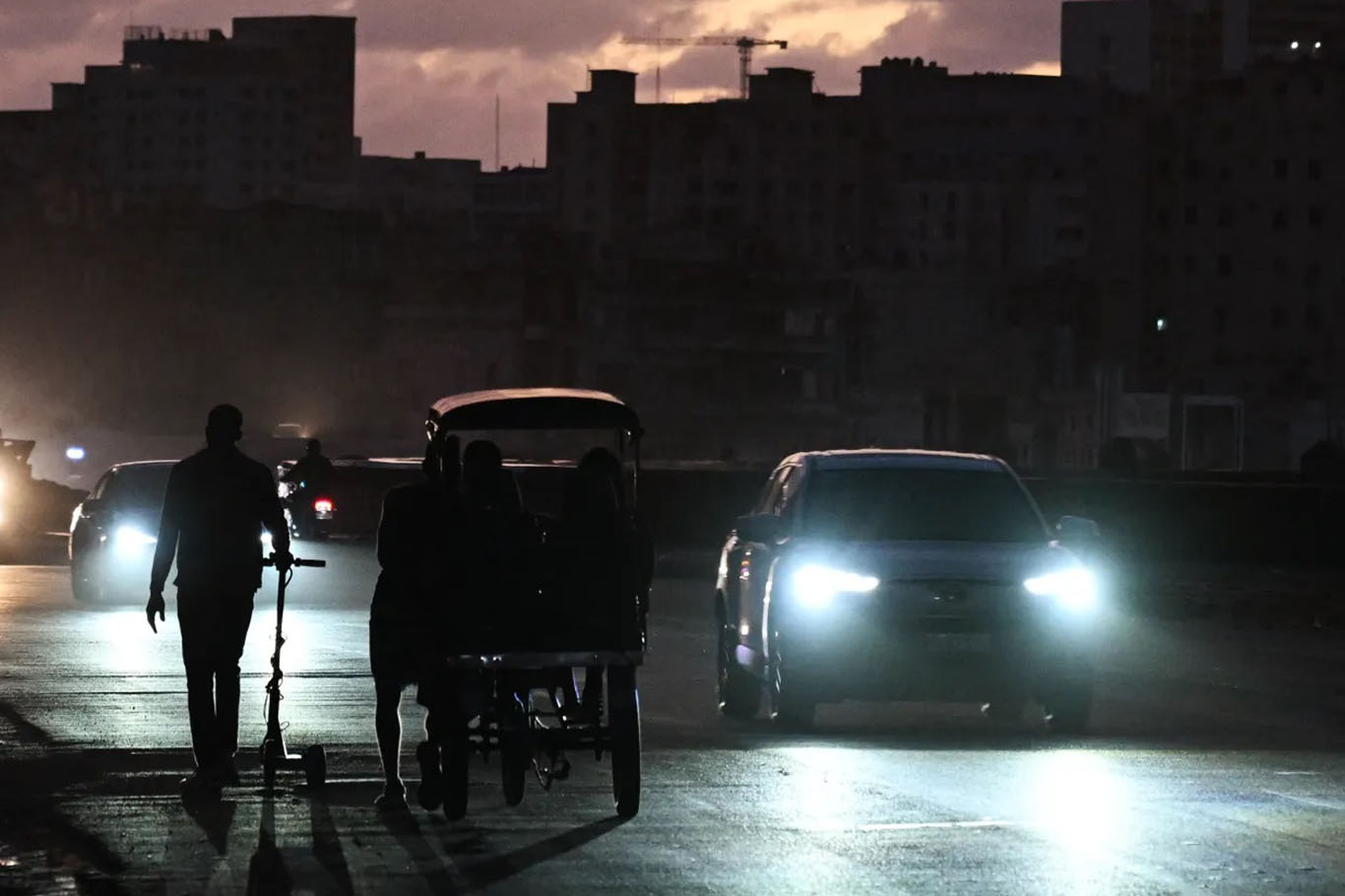
Cuba's national power grid suffered a total collapse on Friday, plunging the island into another nationwide blackout and leaving millions without electricity as the country faces a deepening energy and economic crisis.
The Ministry of Energy and Mines said a “total disconnection” of the national electrical system had occurred and that authorities had activated protocols to restore power. By Friday evening, electricity had been restored to only about 5% of users in Havana.
Cuba's state-run electricity utility, Unión Eléctrica (UNE), said the collapse followed failures in transmission lines in the western part of the country, while unstable weather conditions further aggravated the situation. The outage was the seventh nationwide blackout reported this year and the 12th since late 2024, according to AFP.
The latest blackout comes as Cuba's aging power infrastructure struggles with chronic fuel shortages and deteriorating generating capacity. The country's thermoelectric power plants depend heavily on imported fuel, while shortages have made it increasingly difficult to operate and maintain the system.
Prolonged power cuts have become a regular part of life for many Cubans. In some parts of Havana, blackouts have lasted more than 30 hours, while outages in some provinces have exceeded 60 hours.
The repeated power failures have disrupted water supplies, cooking, telecommunications and transportation, adding to the hardships faced by a population of more than 9 million.
“No one can stand these constant blackouts. There isn't enough food, there's no water, there's no electricity — you have no idea,” Havana resident Mercedes Rodriguez, 60, told The Associated Press. “The country is in such a sad state, and there are no words for what we're going through.”
The energy crisis is unfolding alongside a broader economic downturn marked by shortages of food, fuel and other basic necessities.
Cuban authorities have blamed US restrictions and what they describe as an energy blockade for worsening the country's fuel shortage and limiting access to equipment and spare parts needed to maintain its aging power infrastructure.
Washington, however, has attributed Cuba's economic difficulties to problems within the country's state-run economic system, while Havana has repeatedly argued that US sanctions are aggravating the crisis.
The restrictions imposed by the Trump administration earlier this year have sharply constrained Cuba's access to fuel. Reuters reported that the country's power system has been under severe strain from a combination of fuel shortages, deteriorating infrastructure and the US-imposed oil blockade.
Despite efforts to restore electricity, Cuba continues to face recurring nationwide and regional outages, underscoring the growing strain on its aging energy system. (ILKHA)
LEGAL WARNING: All rights of the published news, photos and videos are reserved by İlke Haber Ajansı Basın Yayın San. Trade A.Ş. Under no circumstances can all or part of the news, photos and videos be used without a written contract or subscription.
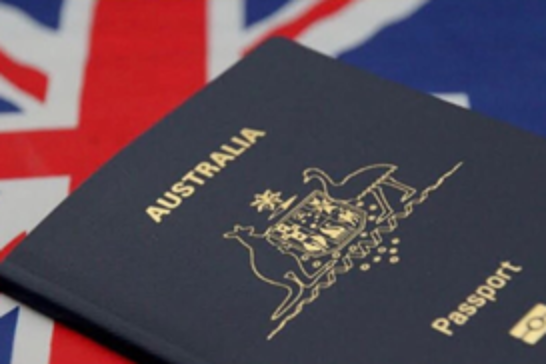
Australia has announced new migration measures that will restrict the ability of many international students and temporary graduates to bring their partners and children to the country.

Türkiye’s Banking Regulation and Supervision Agency (BDDK) has revoked the operating licence of Iranian lender Bank Mellat’s Istanbul branch, according to a decision published in the Official Gazette, as the United States continues to press other countries to increase economic pressure on Tehran.
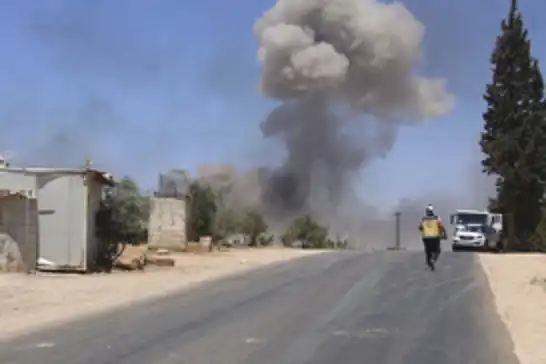
An explosion targeted a Syrian Arab Army position in the Ayyash area, located west of Deir Ezzor, military officials confirmed on Friday.