Cuba sentences former Economy Minister Alejandro Gil to life imprisonment on espionage charges

 13 oC
13 oC 
Güneşli

Cuba’s Supreme Court has handed down a life sentence to former Economy and Planning Minister Alejandro Gil Fernández, convicting him of espionage in one of the most far-reaching political and judicial cases the country has seen in recent years.
Gil, who served as a key architect of the island's economic policy from 2018 to 2024 and was long considered a close ally of President Miguel Díaz-Canel, faced a dramatic and total fall from grace.
The court found Gil guilty of engaging in “corrupt and deceptive activities,” systematically abusing his ministerial authority for personal enrichment. Although detailed evidence was not publicly disclosed, officials stated the former minister accepted illicit payments from foreign companies and orchestrated bribery schemes involving Cuban public officials to legitimize privately held assets.
The most severe conviction, for espionage, involved actions described as “against the security and fundamental interests of the Cuban state.” Authorities declined to identify which foreign actors Gil allegedly collaborated with, citing national security restrictions. This charge underscores the case's gravity from the government's perspective, framing the betrayal as both financial and political.
The sentence concludes a high-stakes, closed-door trial that exposed what authorities call extensive networks of financial misconduct. The investigation revealed activities including money laundering, tax evasion, falsification of public documents, and bribery. The verdict mandates the confiscation of Gil's assets and imposes long-term political disqualifications, barring him from future public office.
The life sentence marks a stunning reversal for the official who once spearheaded Cuba's economic strategy during its most severe financial crisis in decades. Gil was the public face of controversial reforms and austerity measures tied to the government's "Tarea Ordenamiento" (Ordering Task) economic restructuring program, making his conviction for corruption and treason particularly resonant.
The Cuban government has portrayed the ruling as a decisive step in a broader, ongoing anti-corruption campaign, asserting that no individual is above the law. However, the trial's opaque nature—conducted largely behind closed doors with limited information released—has drawn scrutiny. International human rights organizations and foreign observers have so far offered no public comment, likely awaiting further details.
Analysts within and outside Cuba are describing the verdict as a defining moment for the island's political landscape. It highlights intense internal struggles at the highest levels of power and signals the state's extreme sensitivity to issues of loyalty, especially among officials with access to sensitive economic and strategic information.
The case leaves a significant vacuum in Cuba's economic leadership and raises urgent questions about the stability of the policy course Gil once directed. As the government emphasizes its commitment to rooting out corruption, the Gil case stands as a stark, life-sentence reminder of the perils facing the Cuban elite. (ILKHA)
LEGAL WARNING: All rights of the published news, photos and videos are reserved by İlke Haber Ajansı Basın Yayın San. Trade A.Ş. Under no circumstances can all or part of the news, photos and videos be used without a written contract or subscription.
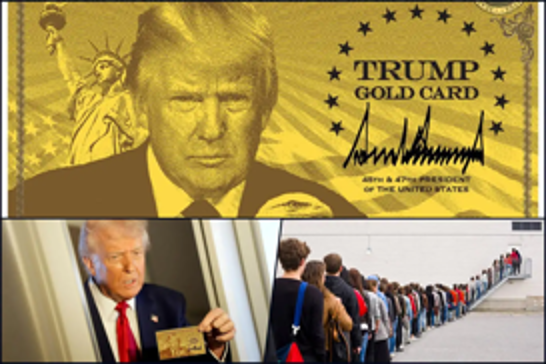
U.S. President Donald Trump on Wednesday announced the launch of the “Trump Gold Card,” a new immigration pathway that grants expedited residency to foreign nationals who pay government processing fees and contribute $1 million to the United States Treasury.

A twelfth shipment of humanitarian aid from Türkiye has arrived in Afghanistan’s western Herat province, officials announced on Wednesday, marking another significant contribution to ongoing relief efforts in the country.

The U.S. House of Representatives voted Wednesday to repeal the sanctions imposed on Syria under the “Caesar Act,” marking a significant reversal of a key policy enacted in December 2019 to penalize the former Syrian regime for alleged war crimes committed during the years of uprising.

Genocidal regime killed five Palestinians, among them three children, after opening fire near makeshift shelters in the Jabalia area of northern Gaza, according to local medical sources and eyewitness accounts.