Armenia to launch EU membership bid as Pashinyan signals further shift from Russia
 13 oC
13 oC 
Güneşli

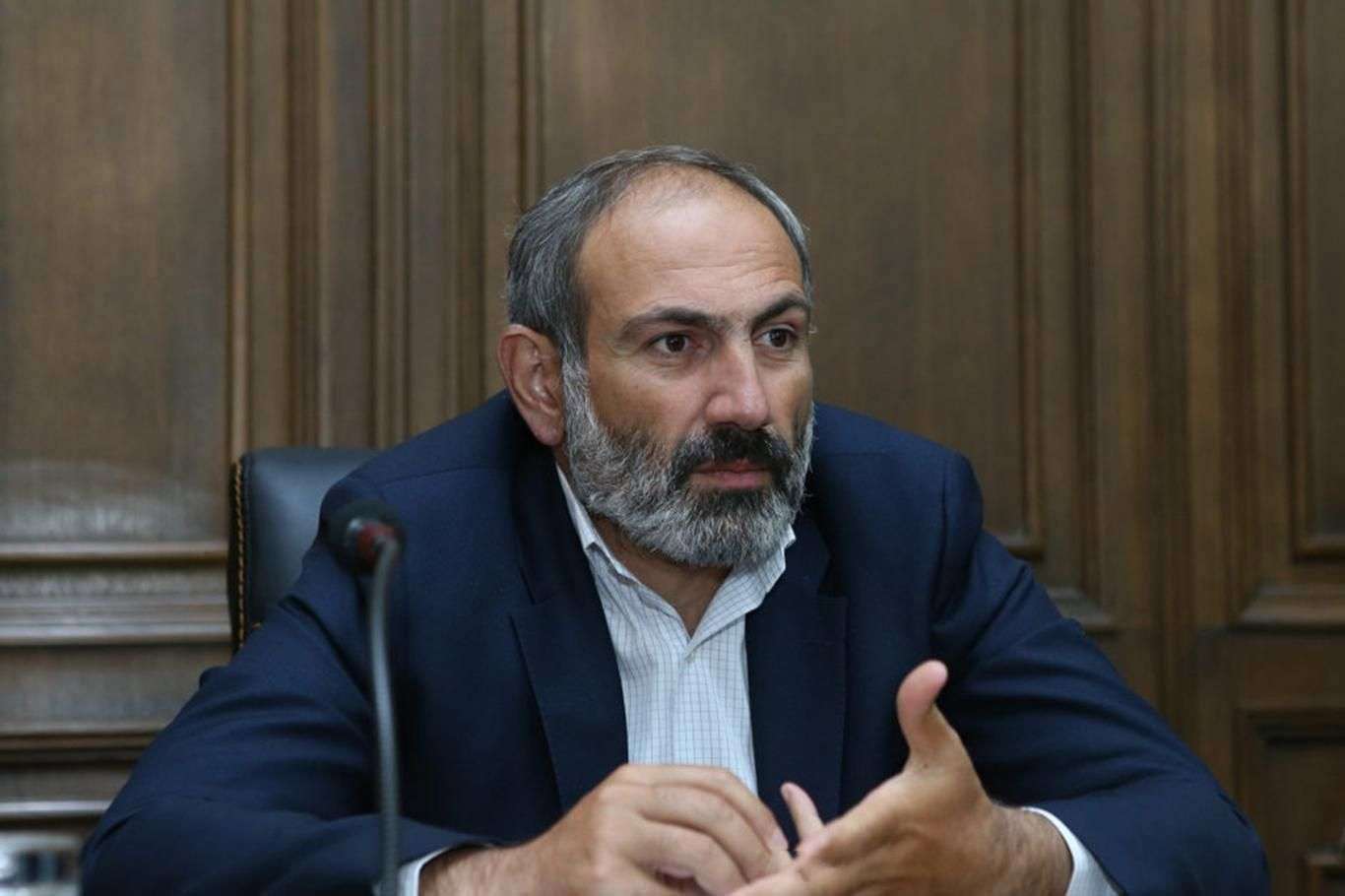
Armenia is preparing to formally apply for European Union membership in the near future, Prime Minister Nikol Pashinyan said Monday, signaling another major step in Yerevan’s efforts to deepen ties with the West while maintaining its existing relationship with the Russia-led Eurasian Economic Union (EAEU).
Addressing parliament during the presentation of the government’s 2026–2031 program, Pashinyan said Armenia would soon begin the process of submitting an official EU membership application. He stressed, however, that a referendum on EU accession would come only after the formal application, a response from Brussels and the preparation of a roadmap for the accession process.
“First of all, Armenia must submit an official request for membership in the EU,” Pashinyan said, adding that the process would require extensive preparatory work.
He said Yerevan would take into account calls from its EAEU partners regarding a national referendum on the country’s future alignment. Leaders of Russia, Belarus, Kazakhstan and Kyrgyzstan issued a joint statement on May 29 supporting an Armenian referendum on whether to pursue EU membership or remain in the EAEU. Pashinyan described the initiative as a friendly gesture and said he was confident that such a referendum would eventually be held.
EU path gains momentum
Armenia’s parliament adopted legislation in March 2025 to launch the country’s EU accession process. The measure expressed Yerevan’s political aspiration to join the bloc but did not constitute a formal membership application. The European Commission reiterated in July 2026 that the 2025 law was an important symbolic step but did not itself amount to an official application for EU membership.
The EU has meanwhile strengthened its engagement with Yerevan. During a July 2 visit to Armenia, European Commission President Ursula von der Leyen and EU Enlargement Commissioner Marta Kos met with Pashinyan and reaffirmed Brussels’ support for Armenia’s reforms, resilience, connectivity and closer partnership with the European Union.
Pashinyan’s government has increasingly pursued what it describes as a policy of diversification, seeking alternatives to Armenia’s traditional dependence on Russia. In June, however, the prime minister said Yerevan would continue both its rapprochement with the EU and its participation in the EAEU, while maintaining relations with Russia and other members of the bloc.
Pashinyan acknowledged earlier this month that simultaneous membership in the EU and EAEU would ultimately be impossible, underscoring the strategic dilemma facing Yerevan as it moves closer to Brussels.
Growing tensions with Moscow
The prospect of EU membership has further strained Armenia’s already difficult relationship with Russia.
Kremlin spokesman Dmitry Peskov said Monday that a formal Armenian EU application would create significant legal and regulatory contradictions within the EAEU. He argued that European standards in areas including trade, customs and phytosanitary regulations could conflict with the rules governing Russia-led integration structures.
Relations between Moscow and Yerevan have deteriorated sharply in recent years, particularly following the collapse of Armenian control over Nagorno-Karabakh and Yerevan’s growing criticism of Russian security guarantees.
Russia has also imposed restrictions affecting Armenian exports. Pashinyan said Monday that such restrictions contradict EAEU rules and described the situation as a crisis within the bloc. In July, he asked Russian President Vladimir Putin to help resolve the restrictions, while reaffirming that Armenia sought to address differences through dialogue.
Referendum could determine Armenia’s strategic direction
Pashinyan has presented EU integration as part of a broader effort to create strategic alternatives for Armenia rather than simply abandoning existing economic relationships.
A nationwide referendum is expected to become a crucial political test once Yerevan formally applies for membership and receives a response from Brussels. Pashinyan has said the referendum should be held only after the EU accession process becomes sufficiently concrete and a roadmap is established.
The move comes after Pashinyan’s Civil Contract party secured victory in Armenia’s June 2026 parliamentary elections, strengthening his government’s political position as it pursues closer relations with the EU.
For Yerevan, the EU bid represents a potentially historic realignment. For Moscow, it presents a direct challenge to Russia’s longstanding economic and strategic influence in Armenia and raises questions over the country’s future role in the EAEU.
The coming months are therefore likely to determine whether Armenia’s declared European aspirations develop into a formal accession process—and how far Yerevan is prepared to move away from its traditional relationship with Moscow. (ILKHA)
LEGAL WARNING: All rights of the published news, photos and videos are reserved by İlke Haber Ajansı Basın Yayın San. Trade A.Ş. Under no circumstances can all or part of the news, photos and videos be used without a written contract or subscription.

The Islamic-Christian Authority for Patronizing Jerusalem and Holy Sites has warned of what it described as an unprecedented escalation in Jewish settler incursions and violations at the Al-Aqsa Mosque compound in occupied Jerusalem.

The administration of US President Donald Trump is preparing a plan that could revoke the visas of up to 200,000 foreign nationals who entered the United States on business or tourist visas between 2016 and 2026 and later applied for asylum, according to US media reports and government documents.

Senior Hamas official Mahmoud Mardawi has condemned a reported escalation in attacks by Israeli settlers against Palestinians and their property across the occupied West Bank and Jerusalem.