45.7°C in September: Spain faces unprecedented extreme heat
 13 oC
13 oC 
Güneşli

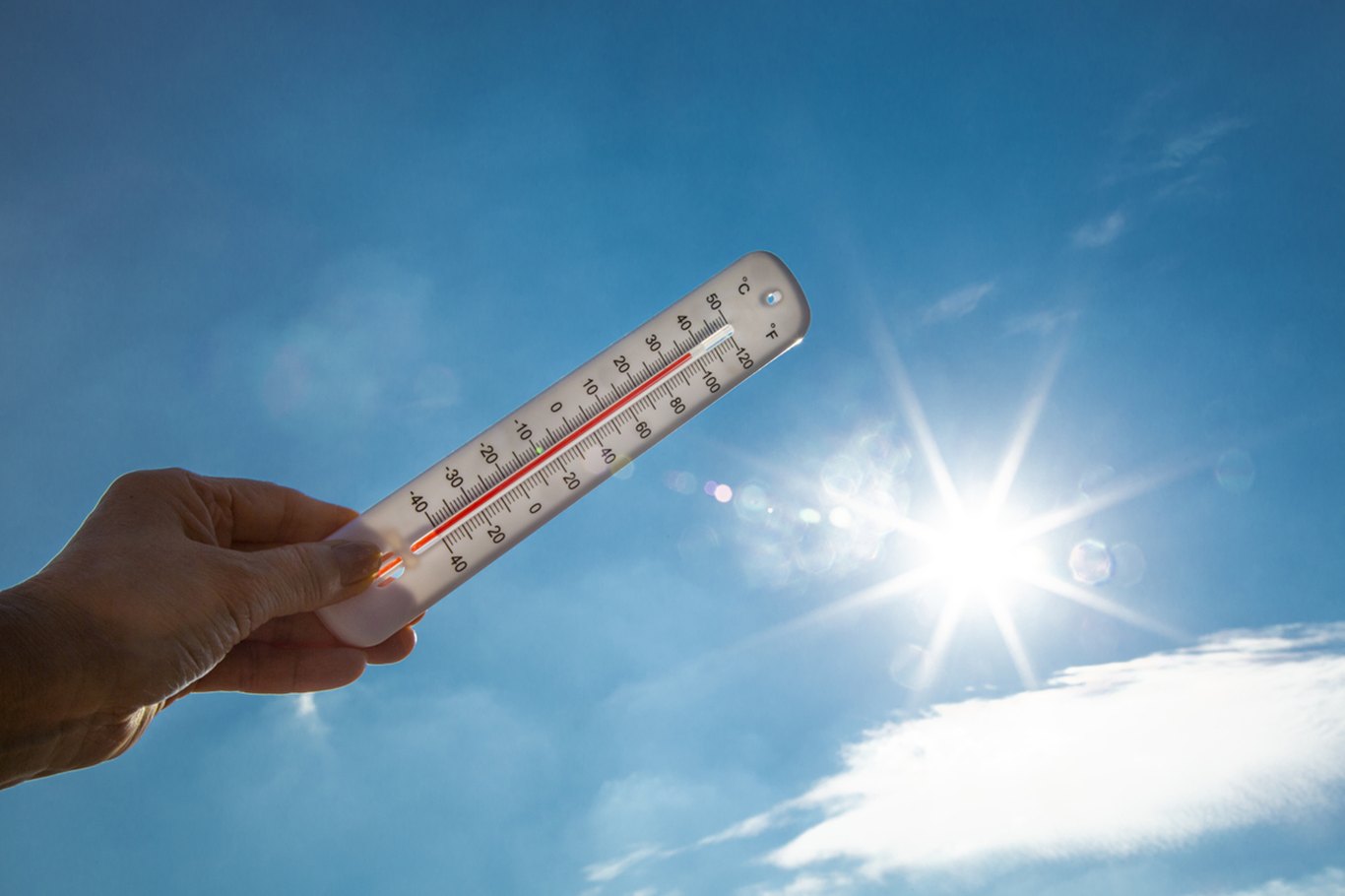
Spain has matched its highest-ever September temperature after the mercury reached 45.7°C in the southwestern town of El Granado, as an exceptional heatwave continues to grip large parts of the country.
The State Meteorological Agency (AEMET) recorded the temperature in El Granado, in Huelva province, on Thursday, September 3. The reading matched Spain’s previous September record of 45.7°C, recorded in Montoro, Córdoba, in 2016.
The extreme temperature was also the highest recorded anywhere in Spain so far this year. Several other locations in southern Spain experienced temperatures above 44°C, including Sevilla, Tablada, which reached 45.1°C, while Fuentes de Andalucía recorded 44.7°C.
The heat has continued into Friday, with AEMET reporting temperatures of 44.6°C in Fuencaliente, 42.4°C in Miranda de Ebro and more than 41°C at several stations across southern and central Spain.
Spain Records Exceptionally Hot Year
The latest heat comes after an exceptionally warm period for Spain. AEMET has reported that the January-to-August period was the hottest on record, with a substantial margin separating it from the next four warmest periods, all recorded during the previous four years.
The agency has described the trend as a clear indication that warming is accelerating in Spain.
July was also previously identified by AEMET as one of Spain’s hottest months on record, highlighting the extraordinary persistence of high temperatures throughout 2026.
Thousands of Heat-Related Deaths
The prolonged heat has also created a serious public-health burden.
Official figures released this week indicated that approximately 2,149 people in Spain died from heat-related causes in August alone, according to estimates cited by Reuters.
The figure adds to thousands of heat-related deaths recorded during the summer and underscores the growing risks posed by increasingly intense and prolonged heatwaves, particularly for older people and other vulnerable groups.
Drought and Wildfires Add to Pressure
Extreme temperatures have compounded drought conditions and contributed to pressure on water resources, agriculture and other economic activities. Low river levels have disrupted activity in parts of the country, while severe wildfires have affected Spain and other parts of southern Europe.
Across Europe, the summer of 2026 has been marked by a combination of extreme heat, drought, wildfires and unusually low river levels. More than 300,000 hectares were reported to have burned across several European countries, including Spain, Portugal, Italy, France and Greece.
Spain Calls for Stronger Climate Adaptation
Amid the mounting impacts, Spain has called on the European Union to establish a dedicated Climate Adaptation Fund and introduce binding adaptation targets.
The Spanish government has argued that reactive measures are no longer sufficient to protect communities and critical infrastructure from escalating climate risks. Madrid estimates that EU countries have suffered around €822 billion in climate-related losses since 1980, with approximately one-quarter of those losses occurring between 2021 and 2024.
Spain has proposed stronger investment in climate resilience, including measures targeting health, water resources and agriculture, as well as improvements to the EU’s emergency response capabilities.
The latest 45.7°C reading in El Granado has once again highlighted the scale of the challenge facing Spain as extreme heat increasingly extends beyond the traditional summer months. (ILKHA)
LEGAL WARNING: All rights of the published news, photos and videos are reserved by İlke Haber Ajansı Basın Yayın San. Trade A.Ş. Under no circumstances can all or part of the news, photos and videos be used without a written contract or subscription.

Turkish President Recep Tayyip Erdoğan held a telephone conversation with United Arab Emirates President Sheikh Mohamed bin Zayed Al Nahyan on Friday, discussing bilateral relations as well as regional and global developments.
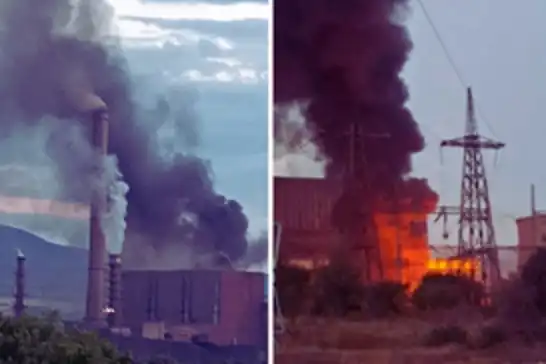
A large wildfire that broke out near the Bobov Dol Thermal Power Plant in western Bulgaria has been brought largely under control after burning hundreds of decares of land and damaging part of a nearby photovoltaic park, authorities said. The cause of the fire remains under investigation.
German authorities have expanded investigations into a series of suspected sabotage attempts targeting power infrastructure after new incidents involving electricity facilities and substations raised fresh security concerns across the country.