4 killed in U.S. strike on alleged drug-smuggling boat in Caribbean
 13 oC
13 oC 
Güneşli

The U.S. military has killed four more people in a strike on a boat it accused of drug trafficking in the Caribbean, intensifying scrutiny of the Trump administration's increasingly militarized campaign against alleged drug smugglers across Latin America.
The latest attack brings the reported death toll from U.S. strikes on suspected drug-trafficking vessels to at least 231 people in 69 operations since the campaign began about a year ago.
U.S. Southern Command said the latest target was a vessel operating along established drug-trafficking routes and claimed that intelligence had confirmed its involvement in narcotics trafficking. The command described the four people killed as “narco-terrorists.”
But the military has generally released little evidence publicly to substantiate its claims about individual targets.
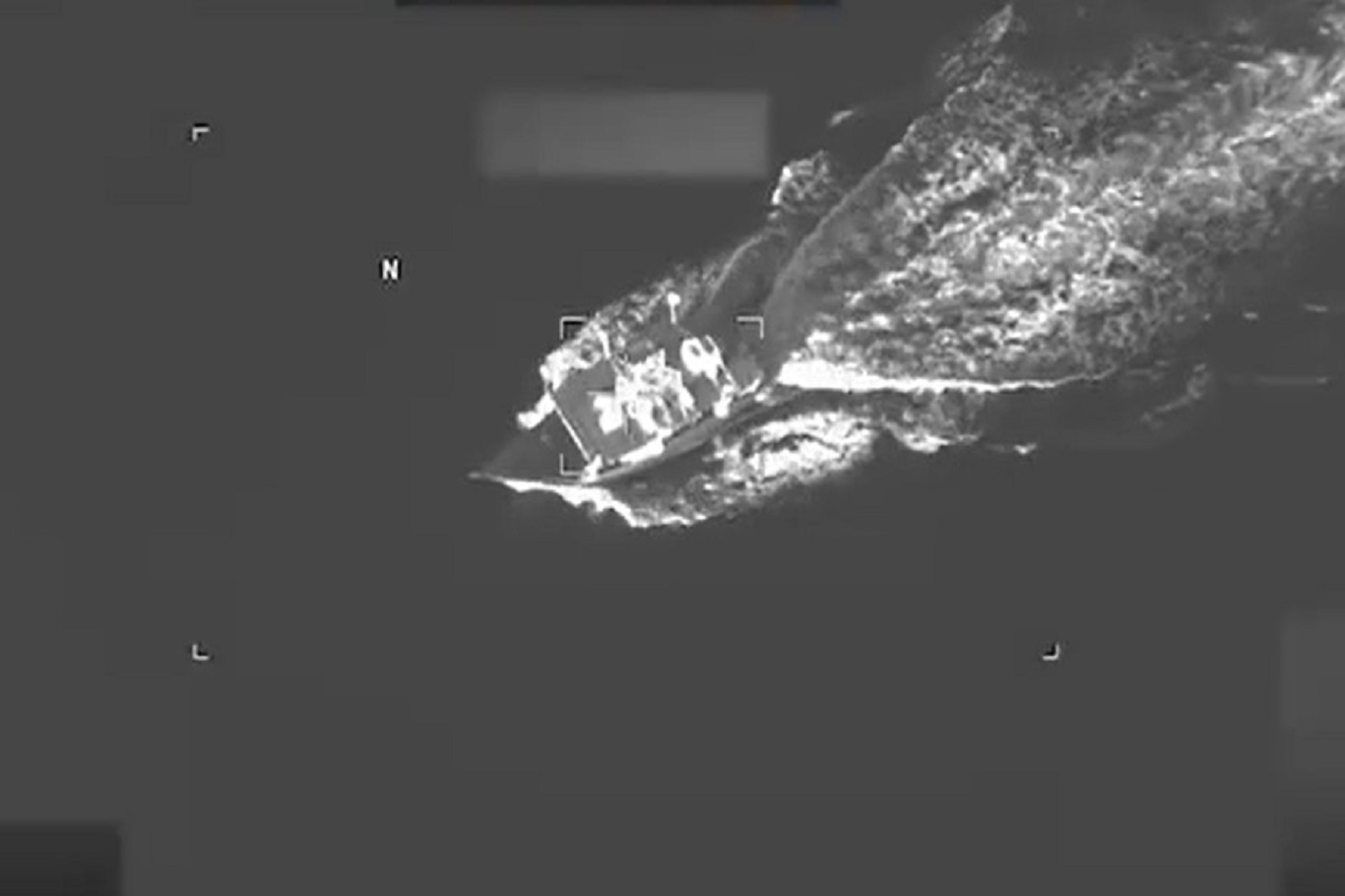
A video released by the U.S. military shows what appears to be a moving boat followed by an explosion. It does not, however, independently establish that the vessel was carrying drugs or that the people aboard were members of a criminal organization. Similar concerns have been raised about previous strikes, with rights groups, fishermen and relatives of those killed questioning whether Washington has provided sufficient evidence linking the targeted vessels to drug trafficking.
The scale of the campaign has transformed what was traditionally a law-enforcement problem into a widening military operation. Rather than relying primarily on interception, arrest and prosecution, the Trump administration has increasingly used lethal force against suspected smugglers at sea.
President Donald Trump has described the United States as being in an “armed conflict” with Latin American cartels and has defended the strikes as necessary to stop drugs from reaching the United States and causing fatal overdoses.
That argument has not resolved questions about the legal framework for the operations. Critics have challenged the administration's characterization of suspected drug traffickers as combatants and questioned whether the public evidence released by Washington is sufficient to justify lethal military action.
The controversy is compounded by the fact that the people targeted are often identified only after they have been killed. In previous operations, U.S. authorities have provided brief statements asserting that vessels were involved in narcotics trafficking while releasing limited information about the intelligence behind those assessments.
The campaign is also expanding beyond the sea.
Defense Secretary Pete Hegseth has said that Colombia, Guatemala and Honduras agreed to allow joint U.S. military operations against criminal groups on their territory. Guatemala, however, denied that it had reached such an agreement.
Ecuador has gone further, conducting joint operations with U.S. forces. Washington and Quito have also intercepted and sunk vessels allegedly used as floating refueling stations for drug-trafficking boats in the eastern Pacific. Ecuadorian authorities have defended the operations as part of a joint anti-drug investigation, but relatives of some crew members have disputed the government's account and said the men were fishermen rather than traffickers.
The administration's rhetoric has become increasingly forceful as the campaign expands. Secretary of State Marco Rubio has defended the strikes and argued that Latin American cartels pose a threat comparable to heavily armed military organizations.
Washington maintains that its operations are precise actions against organized criminal networks. Southern Command has repeatedly described the strikes as “lethal kinetic” operations and said they are based on intelligence confirming narcotics activity.
Yet the central problem remains one of transparency: the United States is killing people it identifies as drug traffickers while providing the public with limited evidence to independently verify those claims.
As the death toll climbs and Washington moves toward joint military operations on Latin American soil, the campaign is raising broader questions about the limits of U.S. military power in the region, the treatment of suspected criminals as wartime targets, and whether the war on drugs is being transformed into an open-ended campaign of extrajudicial killings.
For Latin American countries already struggling with organized crime and violence, the expansion of the U.S. military role also raises a fundamental question: whether Washington's increasingly aggressive approach will address the region's security problems—or deepen concerns over sovereignty, accountability and the use of lethal force. (ILKHA)
LEGAL WARNING: All rights of the published news, photos and videos are reserved by İlke Haber Ajansı Basın Yayın San. Trade A.Ş. Under no circumstances can all or part of the news, photos and videos be used without a written contract or subscription.
Iran has conveyed conditions for ending its war with the United States to Washington through Qatar and is awaiting a response from President Donald Trump, Iranian Supreme National Security Council Secretary Mohsen Rezaei said Saturday.
Slovak Prime Minister Robert Fico has accused some Western politicians of seeking to provoke a direct confrontation between NATO and Russia, warning that a failed strategy to defeat Moscow through the war in Ukraine could push Europe toward a much broader conflict.
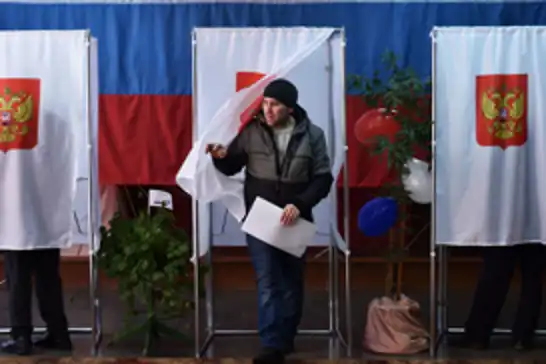
Russian authorities said cyberattacks targeted the country's electronic voting system and communications infrastructure as a three-day parliamentary election entered its final stages on Saturday, while the vote was being held for the first time in territories of Ukraine occupied by Russia.