37 years since the stone uprising: A testament to Palestinian defiance and courage

 13 oC
13 oC 
Güneşli

Today marks the 37th anniversary of the First Palestinian Intifada, or "Stone Uprising," a defining moment in the Palestinian struggle for freedom and justice.
Sparked by the killing of four Palestinian workers by an Israeli settler at the Erez checkpoint, this grassroots movement became a symbol of resilience and resistance against Israeli occupation.
The First Intifada erupted on December 8, 1987, in the Jabalia refugee camp in the Gaza Strip. The deaths of Taleb Abu Zaid, Issam Hamouda, Shabaan Nabhan, and Ali Ismail ignited widespread anger across Gaza and the West Bank. The following day, protests in Jabalia turned violent, marking the first clashes of what would become a seven-year uprising.
During these initial confrontations, Hatem al-Sisi from Jabalia became the first martyr of the Intifada. By December 10, the uprising had spread to the Balata refugee camp in Nablus, where Ibrahim al-Aklik, 17, Suheila al-Kaabi, 19, and Ali Musa'id, 12, lost their lives. These early sacrifices cemented the movement’s momentum, rallying Palestinians across every town, village, and camp in the occupied territories.
The First Intifada is remembered not only for its profound impact but also for the heavy price paid by Palestinians. According to the Palestinian Commission for Prisoners and Martyrs Affairs, over 1,550 Palestinians were killed during the uprising. The Palestinian Prisoners' Society estimates that between 100,000 and 200,000 Palestinians were detained, many enduring brutal interrogation and inhumane conditions.
The Palestinian Ministry of Health reports over 70,000 Palestinians were injured during the Intifada, with 40% left with permanent disabilities. These injuries ranged from neurological damage to paralysis and amputations. In addition, 40 Palestinians perished in Israeli prisons, with many deaths attributed to torture and mistreatment.
The First Intifada was more than an uprising; it was a unifying call to action. From the chants in the streets to the revolutionary songs that echoed across Palestine, the resistance transcended barriers of age and location. As one popular slogan of the time declared, “In every village, house, and alley, our Intifada continues.”
This grassroots movement, driven by the courage of ordinary Palestinians, drew global attention to their plight. The images of youth confronting heavily armed soldiers with stones became a symbol of defiance, inspiring solidarity movements worldwide.
The First Intifada was not just a fight against occupation but a statement of Palestinian identity and resilience. Its legacy endures as a reminder of the sacrifices made and the ongoing struggle for self-determination.
As Palestinians commemorate the 37th anniversary of this historic uprising, the spirit of resistance lives on. The memory of the First Intifada serves as a beacon of hope and a call for continued solidarity with the Palestinian people as they strive for justice, dignity, and freedom. (ILKHA)
LEGAL WARNING: All rights of the published news, photos and videos are reserved by İlke Haber Ajansı Basın Yayın San. Trade A.Ş. Under no circumstances can all or part of the news, photos and videos be used without a written contract or subscription.
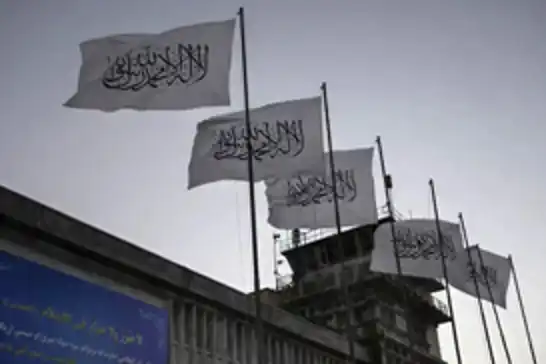
The Ministry of Foreign Affairs of the Islamic Emirate of Afghanistan has summoned Pakistan’s chargé d’affaires in Kabul and handed him a formal protest following Pakistani airstrikes in the eastern provinces of Kunar and Paktika that Afghan authorities said killed three civilians and wounded four others.
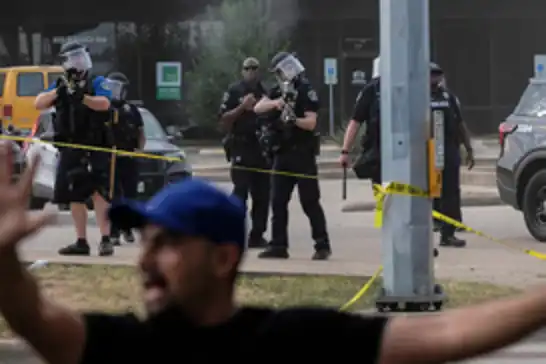
An Immigration and Customs Enforcement (ICE) agent shot and wounded a 28-year-old Venezuelan man in Austin, Texas, on Sunday, prompting local officials to call for an independent investigation into the circumstances surrounding the incident.
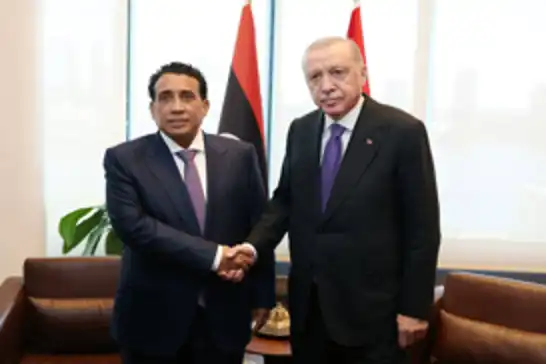
Turkish President Recep Tayyip Erdoğan met with Mohammad al-Menfi, chairman of Libya’s Presidential Council, at the Turkish House in New York on Monday, as the two leaders discussed bilateral relations and regional developments.
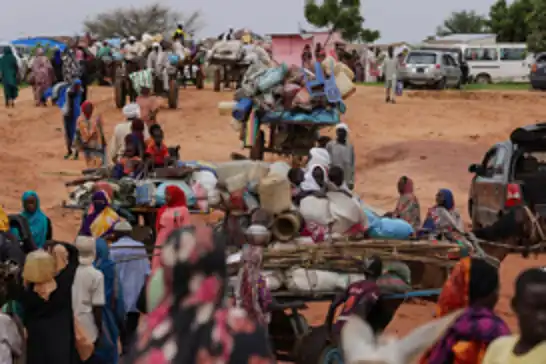
More than 8.5 million people remain displaced across Sudan despite the return of over 5.1 million people to their areas of origin, the International Organization for Migration (IOM) said in its latest displacement update.