Japan's elderly population hits record 29.6% as demographic pressures mount
 13 oC
13 oC 
Güneşli

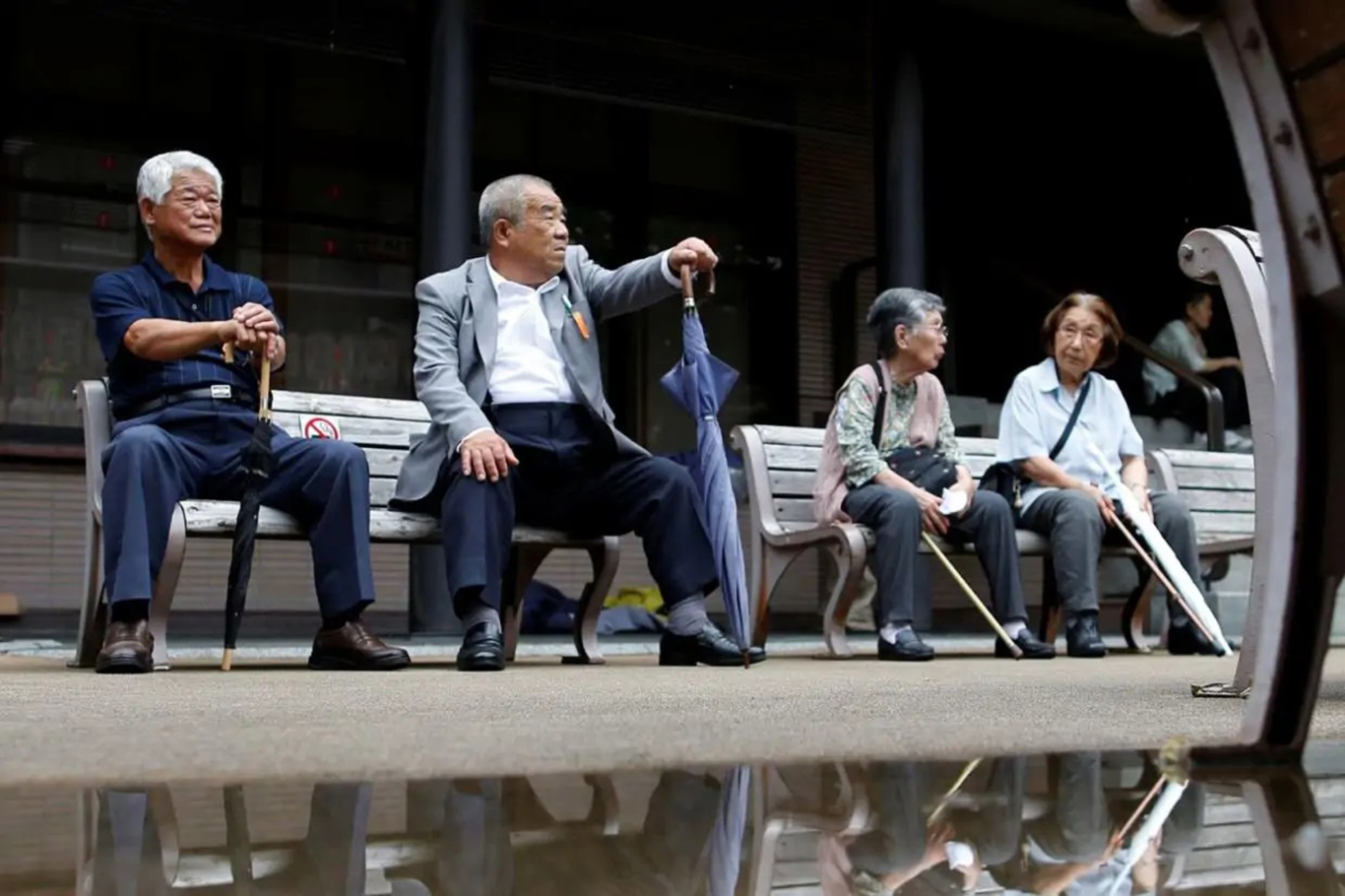
Japan's population aged 65 and older has reached a record 29.6 percent of the country's total population, underscoring the scale of the demographic transformation confronting the world's third-largest economy.
The number of people aged 65 or above stood at 36.24 million as of September 2026, an increase of 20,000 from a year earlier, according to figures released Sunday by Japan's Ministry of Internal Affairs and Communications ahead of Respect for the Aged Day on Sept. 21. The figure represents the highest elderly population ratio ever recorded in Japan.
Women accounted for about 20.54 million of the elderly population, compared with 15.71 million men, highlighting the particularly high longevity of Japanese women.
Japan continues to have the highest proportion of elderly people among the 39 countries with populations of at least 40 million, according to the ministry. Italy ranked second at 25.6 percent, followed by Germany at 24.2 percent and France at 22.9 percent.
The proportion of people aged 75 and above has also continued to rise, reaching 17.7 percent of Japan's total population. Japan has the highest share of people in this age group among nine major countries, followed by Italy at 13.3 percent.
Aging population continues to reshape Japan
The latest figures highlight a demographic trend that has been developing for decades as Japan experiences persistently low birth rates and rising life expectancy.
The country's demographic structure has changed dramatically from the postwar period, when younger generations made up a much larger share of the population. Government projections indicate that the elderly population will reach approximately 39.45 million by 2045, representing 36.3 percent of the total population, as the large generation born during Japan's second baby boom between 1971 and 1974 moves into the 65-and-over category.
Japan's 2026 Statistical Handbook says the proportion of people aged 65 and older is projected to reach 38.7 percent by 2070, illustrating the longer-term scale of the demographic shift.
The trend is taking place alongside a broader contraction in Japan's population.
Preliminary results from the country's 2025 census showed that Japan's population had fallen to approximately 123.05 million, down around 3.09 million from the previous census five years earlier. The decline was the largest recorded in a census and marked the third consecutive census in which Japan's population contracted.
Record number of elderly people remain in workforce
Japan's aging population is also increasingly visible in the labor market.
According to the latest figures released by the Statistics Bureau, the number of people aged 65 and over who are employed reached a record 9.43 million in 2026, marking the 22nd consecutive year of increase.
Older workers accounted for 13.8 percent of all employed people, also a record high. Employment rates increased to record levels across the different 65-and-over age groups.
The figures demonstrate the growing role of older Japanese in sustaining the country's workforce as the working-age population contracts.
At the same time, the government data show that 76.1 percent of employees aged 65 and over, excluding executives, were non-regular workers, reflecting the different employment patterns among older workers. Older employees are particularly numerous in sectors including retail, healthcare and social welfare.
Number of centenarians surpasses 100,000
Another indicator of Japan's demographic transformation is the rapidly growing number of people living to 100 or older.
Japan's centenarian population exceeded 100,000 for the first time in 2026, reaching 107,677, according to figures released by the Health Ministry in September. The number rose by 7,914 from the previous year.
Women accounted for 94,298 of the country's centenarians, or nearly 88 percent of the total.
The number of centenarians has increased dramatically since the government began keeping official records in 1963, when only 153 people aged 100 or older were registered nationwide. The number surpassed 10,000 in 1998 and 50,000 in 2012 before crossing the 100,000 threshold this year.
Pressure on social security and public services
Japan's demographic transition has important implications for pensions, healthcare, long-term care and the country's labor market.
A growing elderly population means greater demand for medical and care services, while the shrinking number of people of working age places additional pressure on the workforce supporting those systems.
The government has consequently encouraged older people who are willing and able to remain economically active, while companies have increasingly sought to retain experienced workers amid labor shortages.
Japan's high level of elderly employment also reflects a broader adaptation to demographic change rather than simply an increase in the number of retirees. The Statistics Bureau says the employment rate for people aged 65 and over remains relatively high compared with other major economies.
A demographic challenge extending beyond Japan
Japan's experience has also become an important reference point for other developed economies facing declining fertility and rapidly aging populations.
Italy, Germany and France already have elderly population shares exceeding 20 percent, although none currently approaches Japan's 29.6 percent. Other advanced economies are likewise confronting pressure from longer life expectancy, declining birth rates and smaller working-age populations.
The demographic challenge is particularly pronounced in Japan because population decline and population aging are occurring simultaneously.
With the number of older people continuing to rise while the overall population shrinks, Japan faces the task of maintaining economic activity and social services with a progressively smaller working-age population.
The latest government figures therefore point not simply to a record elderly population, but to a continuing transformation of Japanese society — one in which people aged 65 and over already account for nearly three in every 10 residents and are playing an increasingly important role in the country's economy and social life. (ILKHA)
LEGAL WARNING: All rights of the published news, photos and videos are reserved by İlke Haber Ajansı Basın Yayın San. Trade A.Ş. Under no circumstances can all or part of the news, photos and videos be used without a written contract or subscription.

The Democratic Republic of Congo is confronting one of its most severe Ebola outbreaks on record, with more than 7,500 confirmed cases and 3,600 deaths reported as health authorities intensify efforts to contain the rapidly spreading disease.

Italy is seeing evidence that rising temperatures and longer warm seasons are helping mosquitoes spread West Nile virus across a wider geographic area and for a longer period of the year, according to health authorities.
Torrential rain and flash floods have swept across eastern Spain, killing one person and causing widespread disruption to roads, railways, airports and public transport in Catalonia and the Valencia region.