DR Congo receives 70,000 doses of Ervebo vaccine as Ebola infections surge
 13 oC
13 oC 
Güneşli

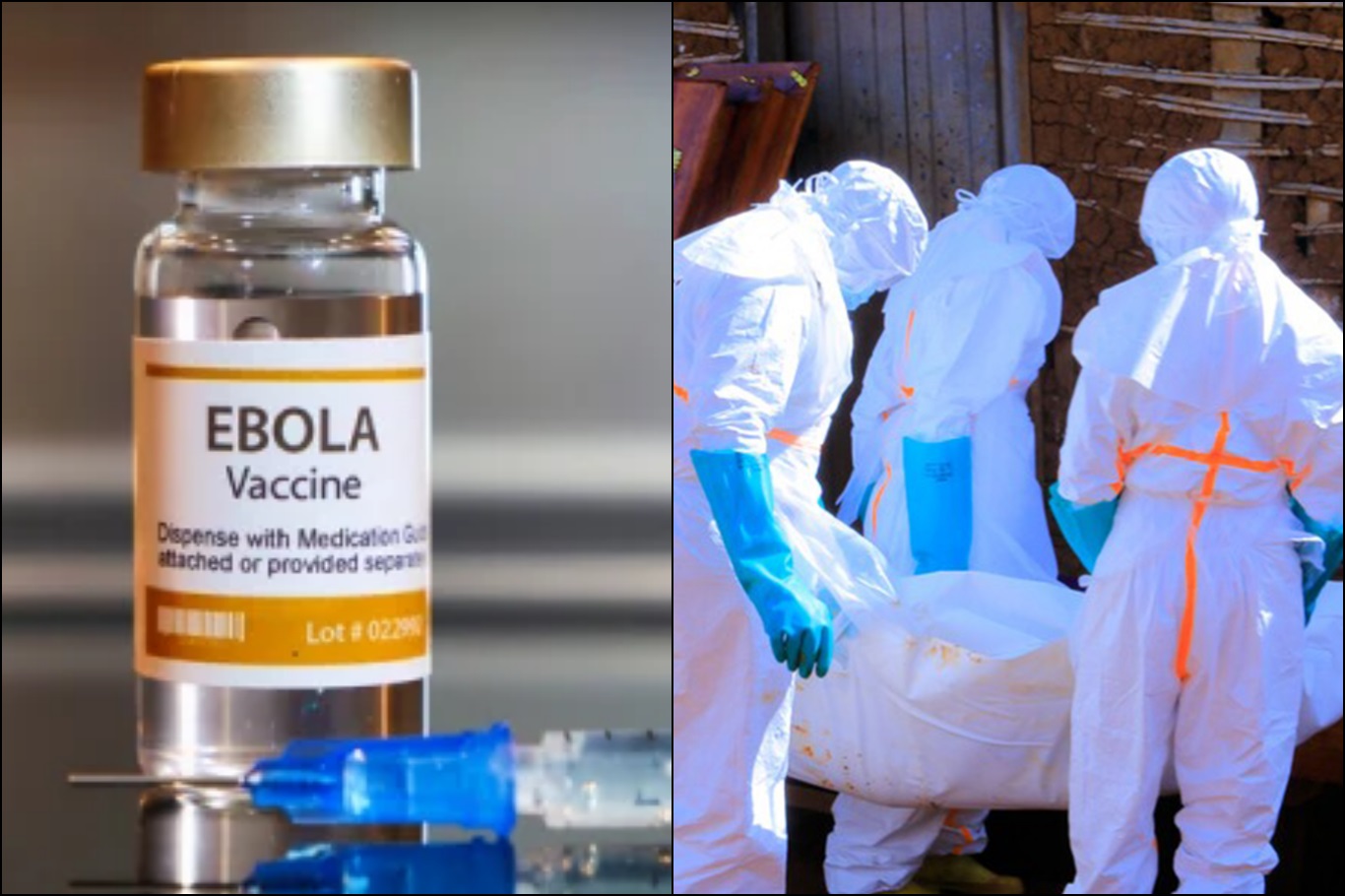
The Democratic Republic of the Congo (DRC) has received an initial allocation of 70,000 doses of the Ervebo Ebola vaccine from the global emergency vaccine stockpile as authorities step up efforts to contain an ongoing outbreak of Bundibugyo virus disease.
The International Coordinating Group on Vaccine Provision (ICG), which manages the global Ebola vaccine stockpile, approved the release after the DRC government submitted a request last week.
The allocation includes 20,000 doses for a Phase 3 clinical trial designed to determine whether Ervebo can protect people against the Bundibugyo virus, while another 50,000 doses will be used for frontline and health workers, in line with current recommendations from the World Health Organization's Strategic Advisory Group of Experts on Immunization (SAGE).
Vaccine effectiveness against Bundibugyo virus remains uncertain
Ervebo is licensed and recommended for use against Ebola virus disease caused by Zaire ebolavirus, but it is not yet known whether the vaccine provides protection against Bundibugyo virus in humans.
Preliminary laboratory and animal studies indicate that Ervebo may offer some protection, but there is currently insufficient evidence to establish its effectiveness against the Bundibugyo virus.
The Phase 3 trial will therefore play a critical role in generating evidence about the vaccine's potential use against the virus. The findings could help health authorities determine whether Ervebo should be incorporated into future responses to Bundibugyo outbreaks.
WHO stressed that people receiving the vaccine, whether as participants in the clinical trial or as frontline workers, must be given clear information about its potential risks, benefits and limitations in the context of a Bundibugyo outbreak and must provide informed consent.
WHO and Africa CDC back DRC response
The World Health Organization (WHO) and the Africa Centres for Disease Control and Prevention (Africa CDC) welcomed the vaccine allocation and expressed support for the DRC government's response to the outbreak.
The two organizations said their priority is to protect communities, save lives and bring the outbreak under control while generating scientific evidence that can strengthen Africa's preparedness for future outbreaks.
WHO and Africa CDC also emphasized the importance of a community-led response, arguing that local communities should play a central role in outbreak control and prevention efforts.
"Against the backdrop of the ongoing outbreak, and based on the available evidence, WHO and Africa CDC support DRC's focus on protecting the people of DRC and using a community-led approach," the organizations said.
The approach is intended to ensure that affected communities are actively involved in measures such as disease surveillance, risk communication, vaccination activities and other public-health interventions.
ICG manages emergency vaccine stockpile
The International Coordinating Group on Vaccine Provision was established in 1997 following major meningitis outbreaks in Africa. Its purpose is to coordinate emergency supplies of vaccines and antibiotics during major disease outbreaks.
The ICG's founding partners are WHO, UNICEF, the International Federation of Red Cross and Red Crescent Societies and Médecins Sans Frontières (MSF).
Its mandate includes ensuring rapid and equitable access to licensed vaccines against cholera, meningitis, yellow fever and Ebola virus disease during outbreaks.
The group has managed the emergency Ebola vaccine stockpile since January 2021, following the creation of the stockpile as an additional tool for controlling outbreaks caused by Zaire ebolavirus.
More than 200,000 Ervebo doses previously used
The DRC has already been a major beneficiary of the emergency Ebola vaccine mechanism.
Since the ICG's Ebola vaccine mechanism was established in 2021 and through July 2026, more than 56,000 doses of Ervebo have been allocated to respond to Ebola virus outbreaks in the DRC.
An additional 167,000 doses have been used in preventive vaccination campaigns targeting health and frontline workers in the DRC, Guinea-Bissau, Kenya, Sierra Leone and Uganda.
The latest allocation is different from previous deployments because the vaccine's effectiveness against the Bundibugyo virus remains unproven.
Clinical trial expected to provide crucial evidence
The DRC's decision to combine frontline vaccination with a clinical trial reflects the urgent need to respond to the current outbreak while addressing a major gap in scientific knowledge.
Bundibugyo virus is one of the viruses in the Ebolavirus genus and can cause severe disease in humans. However, vaccines and treatments developed specifically against other Ebola viruses cannot automatically be assumed to work against it.
The trial involving 20,000 doses could therefore provide important evidence on whether Ervebo can reduce the risk of infection or severe disease caused by Bundibugyo virus.
WHO and Africa CDC said they remain united in supporting the DRC government as it works to protect affected communities, prevent further transmission and bring the outbreak to an end.
The organizations also emphasized that the response must balance the immediate need to protect people with the need to generate reliable scientific evidence that could improve preparedness for future outbreaks across Africa. (ILKHA)
LEGAL WARNING: All rights of the published news, photos and videos are reserved by İlke Haber Ajansı Basın Yayın San. Trade A.Ş. Under no circumstances can all or part of the news, photos and videos be used without a written contract or subscription.
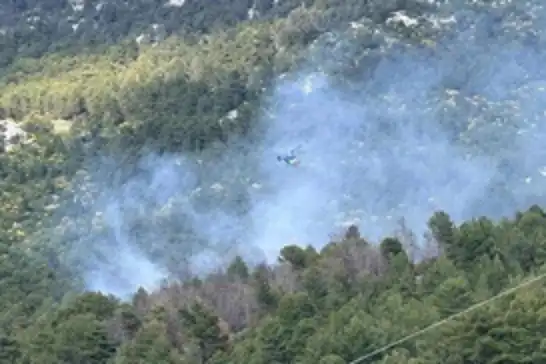
Spain has recorded nearly 4,500 heat-related deaths since the beginning of June, marking the highest number for the period since 2022, according to data from the public Carlos III Health Institute.
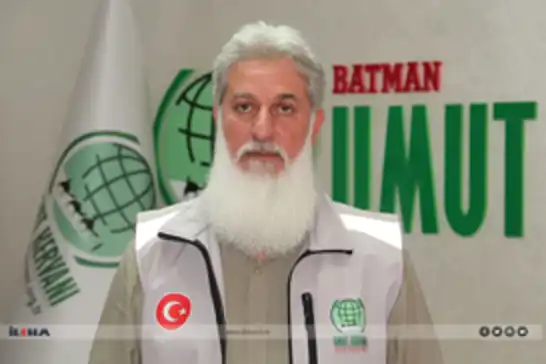
Humanitarian aid is no longer only about delivering food or medical assistance but also about safeguarding people's right to live with dignity, Nurettin Teymur, chairman of the Batman branch of Hope Caravan (Umut Kervanı), said on World Humanitarian Day.
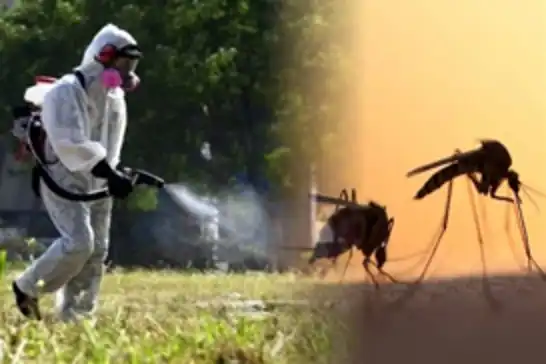
Greek health authorities have stepped up surveillance over the spread of West Nile virus, warning that the country could face one of the most challenging transmission periods of recent years as mosquito activity intensifies during the summer.