Turkish poverty rates see slight improvement in 2023, despite earthquake challenges

 13 oC
13 oC 
Güneşli

The Turkish Statistical Institute (TURKSTAT) released its "Poverty and Living Conditions Statistics, 2023" report, offering a snapshot of the country's economic well-being.
While some positive trends emerged, the devastating earthquakes in February 2023 cast a shadow over the data.
The Turkish Statistical Institute's latest report, "Poverty and Living Conditions Statistics, 2023," offers a detailed examination of the economic dynamics in Turkey, shedding light on various aspects of the country's socio-economic landscape.
According to the report, the relative poverty rate for 2023 is reported at 13.9%, indicating a notable decrease of 0.5% compared to the previous year. The at-risk-of-poverty rate, calculated at 50% of the median equivalised household disposable income, stands at 13.9%, reflecting a marginal increase of 0.1% from 2022 when calculated at 60% of the median equivalised household disposable income.
A key highlight is the decrease in the severe material and social deprivation rate, dropping from 16.6% in 2022 to 14.4% in 2023. This rate is defined as the percentage of individuals facing the enforced inability to afford at least seven specified items, emphasizing a positive shift in this aspect of living conditions.
The persistent at-risk-of-poverty rate, signifying the percentage of the population residing in households with an equivalised disposable income below the at-risk-of-poverty threshold for at least two out of the preceding three years, demonstrates a decline of 1.7%, settling at 12.3%.
The report also provides regional insights, with the TRC1 region, encompassing Gaziantep, Adıyaman, and Kilis, showcasing the lowest relative at-risk-of-poverty rate at 4.8%. Conversely, regions like TRA2 (Ağrı, Kars, Iğdır, Ardahan), TR41 (Bursa, Eskişehir, Bilecik), and TR82 (Kastamonu, Çankırı, Sinop) have reported higher rates, emphasizing regional disparities.
Furthermore, the report delves into housing and environmental issues, highlighting concerns such as heating problems due to isolation, dwelling issues, and environmental challenges. It also addresses the financial burdens on households, emphasizing the percentage of the population with installments or loans.
Overall, the "Poverty and Living Conditions Statistics, 2023" report provides a comprehensive overview, offering valuable insights into the evolving economic dynamics and living conditions in Türkiye. (ILKHA)
LEGAL WARNING: All rights of the published news, photos and videos are reserved by İlke Haber Ajansı Basın Yayın San. Trade A.Ş. Under no circumstances can all or part of the news, photos and videos be used without a written contract or subscription.
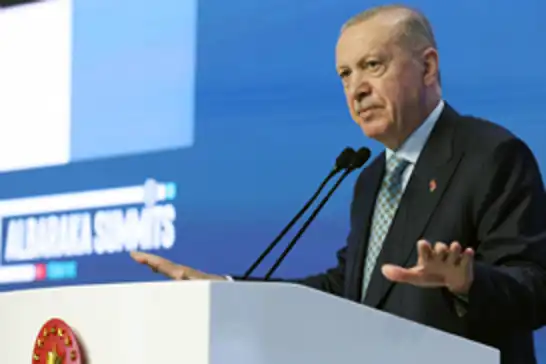
Turkish President Recep Tayyip Erdoğan has said that participation finance represents a more just and secure economic model not only for Muslim countries but for the global financial system as a whole.
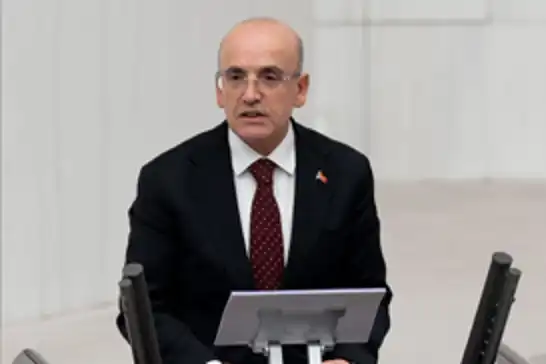
Türkiye's Treasury and Finance Minister Mehmet Şimşek said inflation continued its downward trend in May, with consumer prices rising 1.7 percent on a monthly basis and 32.6 percent annually, according to the latest official data.

Turkish annual inflation rose to 32.61% in May, while monthly consumer prices increased by 1.71%, data from the Turkish Statistical Institute showed on Friday.
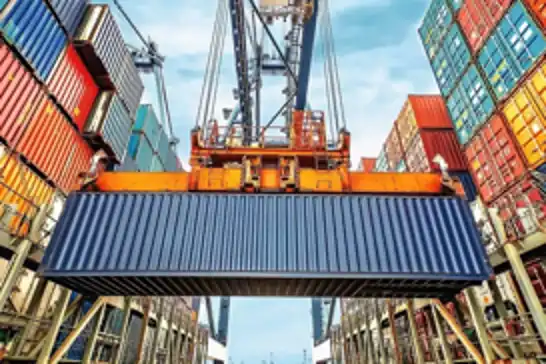
Türkiye’s trade deficit narrowed to its lowest level in nine months in May, as a sharper decline in imports offset weaker export performance, according to data released by the Ministry of Trade.