Başbağlar mourns: 32 years after PKK’s brutal attack on faithful Muslims
 13 oC
13 oC 
Güneşli

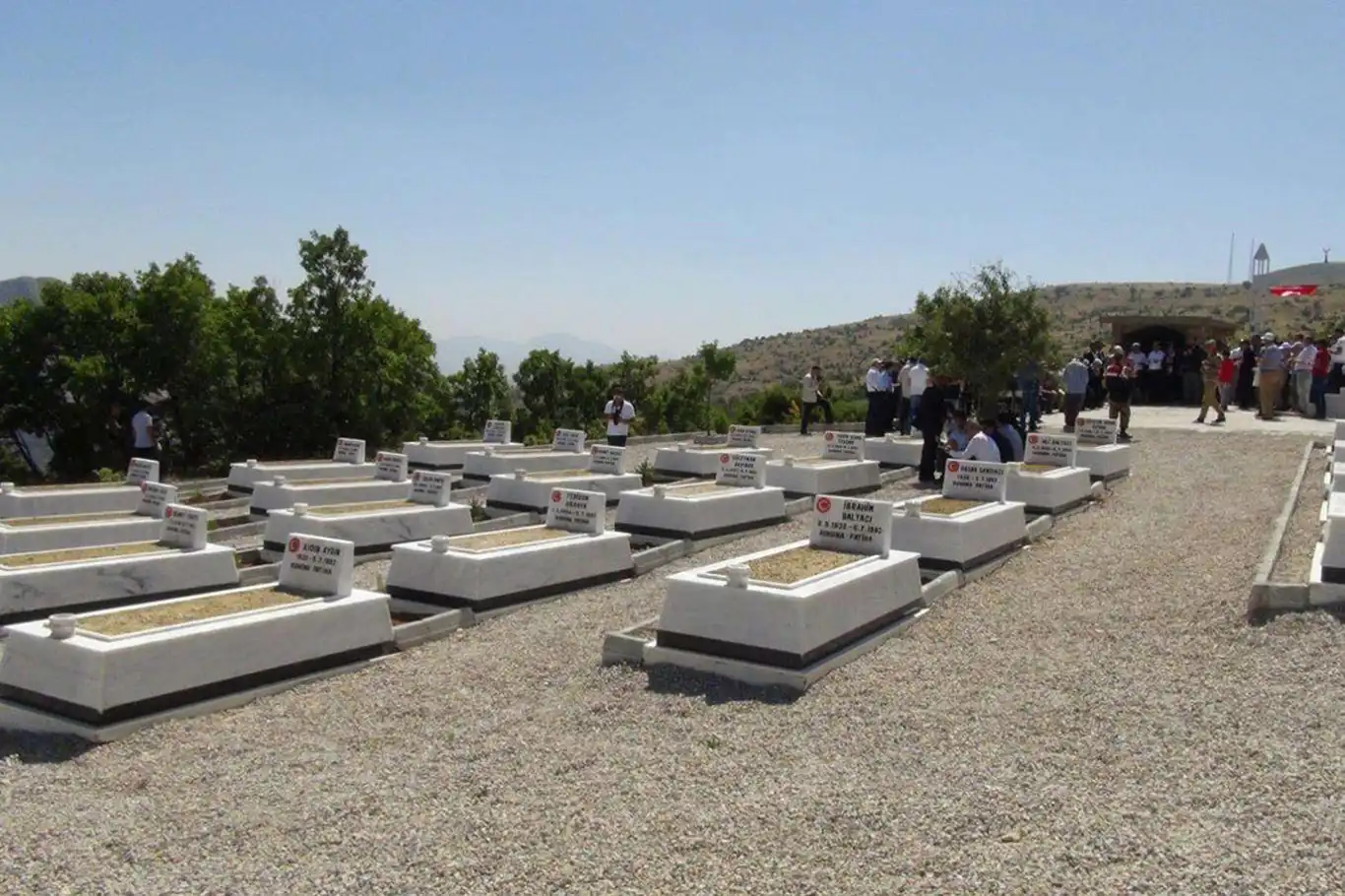
It has been thirty-two years since the village of Başbağlar, nestled in the mountainous region of Erzincan, Türkiye, was thrown into the depths of unimaginable horror.
Yet for the families who survived and the nation that bore witness, the night of July 5, 1993, remains a searing scar—a tragedy etched deeply into memory.
The sun had barely set when darkness fell not only over the village but also over the lives of its people. From 8:00 PM to 10:00 PM, armed members of the PKK descended on Başbağlar with chilling precision. Roads were blocked, phone lines severed, and every path to help was cut off. The attackers knew exactly where they were and who they were targeting. They called residents by name, forced them into the village square, and preached hate-fueled propaganda for over an hour and a half—words laced with vengeance, claiming retribution for the Sivas Madımak tragedy just days before.
Then came the executions. Thirty-three innocent men were shot in cold blood—fathers, sons, brothers, neighbors—leaving behind grieving families and a community forever shattered. But the bloodshed did not end there. The mosque, a sacred place of worship, was burned along with the imam’s home, the village school, the teacher’s residence, 191 houses, five vehicles, and hundreds of livestock. Fire consumed not only buildings but also memories, livelihoods, and hopes.
For hours, no help came. Despite the Başpınar Gendarmerie being informed of the attack at 1:00 AM, no action was taken. Only at dawn, when a survivor reached a neighboring village and managed to call his son in Istanbul, did the state learn of the massacre. By then, the assailants had long fled. The silence that followed was deafening—a tragic reflection of the neglect rural communities too often face.
Though the PKK eventually claimed responsibility, only two attackers were ever brought to justice. The organization's leader, Abdullah Öcalan, denied involvement, instead blaming a shadowy figure known as “Dr. Baran.” The case was officially closed in 1998, leaving survivors and the nation with more questions than answers. Disturbing details emerged later—most notably the testimony of Mehmet Ali Dikkaya, head of the Başbağlar Village Association, who revealed that U.S. helicopters had been seen circling above the village on the night of the massacre. Eyewitnesses spoke of the attackers' detailed knowledge of the villagers, further fueling suspicions of intelligence involvement and premeditation far deeper than initially believed.
Despite their unimaginable suffering, the people of Başbağlar have never given in to despair. Each year on July 5, the village holds a solemn ceremony. Villagers and visitors alike gather in remembrance, offering prayers for the 33 martyrs. The sounds of recited Qur’an verses echo where once cries of horror rang out. What was meant to divide them has only made them stronger in faith and unity.
The Başbağlar massacre was not an isolated incident. It was part of a broader, calculated campaign of terror by the PKK, which targeted countless villages such as Pınarcık, Çevrimli, Susa, Tatvan, and Savur—each attack an attempt to sow fear and hatred among Türkiye’s Muslim communities. Yet in each village, like Başbağlar, the people stood firm, holding fast to their beliefs and their sense of nationhood.
Today, the massacre is more than a memory—it is a symbol. It speaks to the cost of extremism, the pain of neglected justice, and the enduring strength of communities bound by faith. It calls on Türkiye to remain vigilant, to invest in the security of its most remote citizens, and to continue pursuing justice no matter how many years have passed.
As the country pauses to remember the innocent lives lost in Başbağlar, it also renews its vow: never again. The village may be small, but its story is vast, echoing through the hills of Erzincan and into the conscience of an entire nation. And in every prayer whispered for the 33 souls taken that night, there is not just sorrow—but strength, unity, and an unshakable will to endure. (ILKHA)
LEGAL WARNING: All rights of the published news, photos and videos are reserved by İlke Haber Ajansı Basın Yayın San. Trade A.Ş. Under no circumstances can all or part of the news, photos and videos be used without a written contract or subscription.
The European Union is grappling with an unprecedented escalation in drug trafficking, with officials estimating that over 100 tons of cocaine enter the continent each year—a figure that European security agencies admit may represent only a fraction of the true scale.
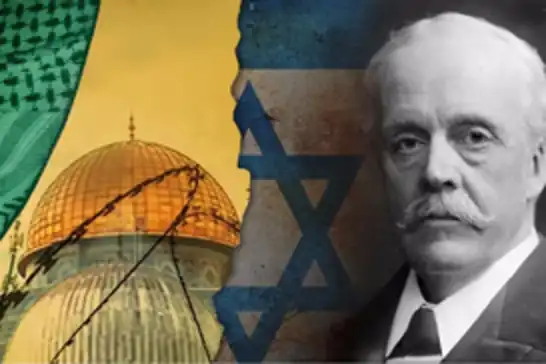
On November 2, 1917, British Foreign Secretary Arthur James Balfour sent a short letter to Zionist leader Lord Rothschild, pledging Britain’s support for a Jewish homeland in Palestine.

One year has passed since Yahya Sinwar, the legendary leader of Hamas in the Gaza Strip, was martyred in a direct confrontation with Israeli forces in Rafah.
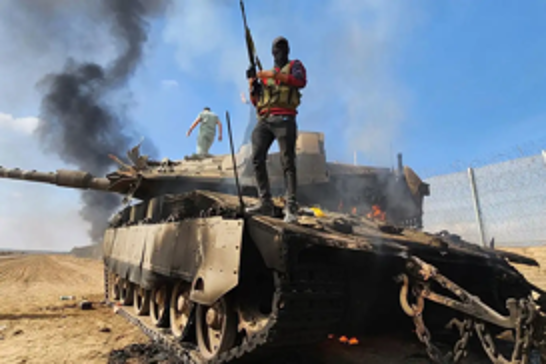
Two years have passed since the morning that forever altered the course of the Palestinian struggle — the dawn of October 7, 2023, when the besieged enclave of Gaza broke through its prison walls in a thunderous uprising now etched into history as Operation Al-Aqsa Flood.