Venezuela earthquake death toll rises to 3,685 as recovery efforts continue
 13 oC
13 oC 
Güneşli

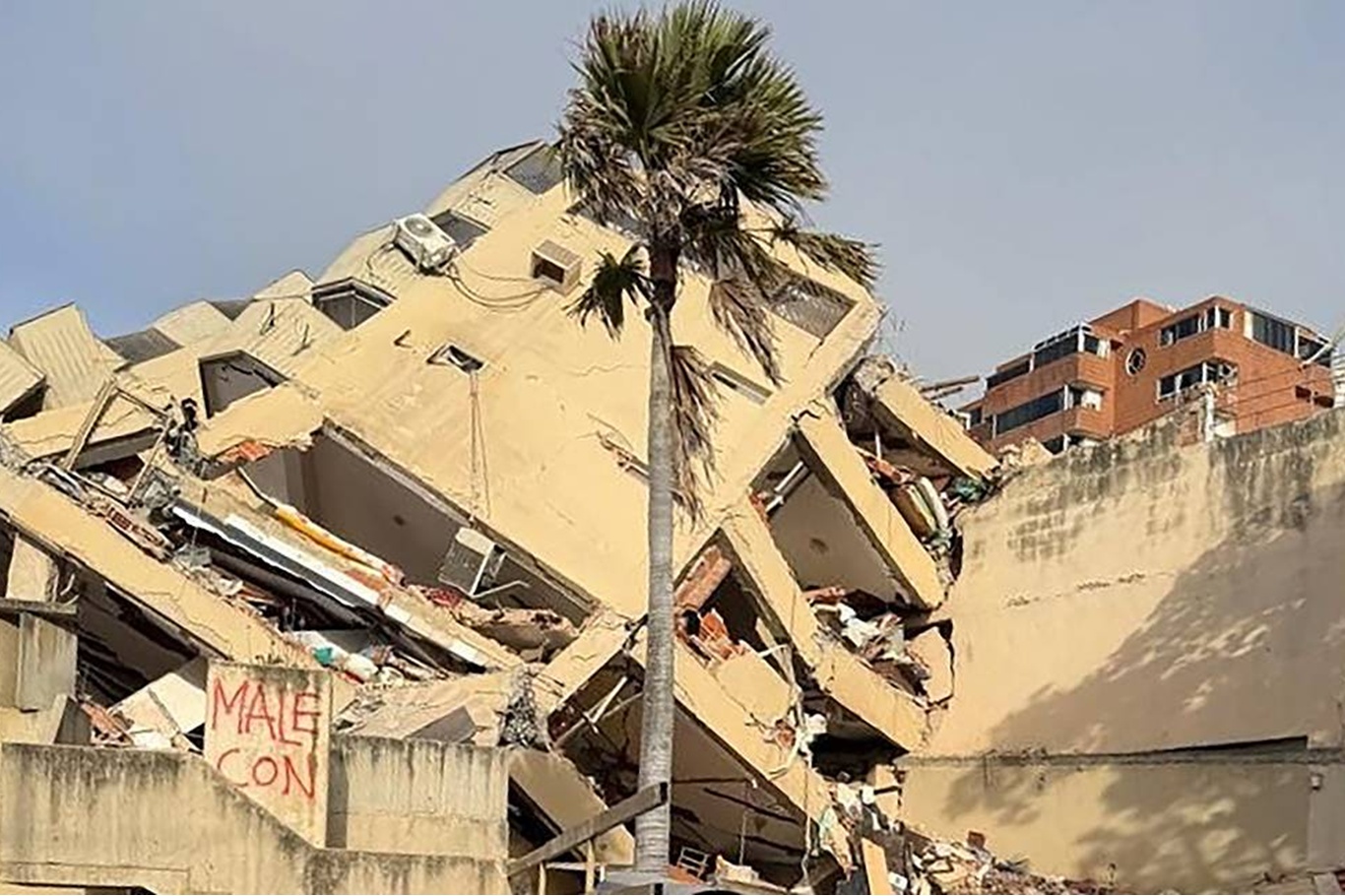
The death toll from the powerful earthquake that struck Venezuela late last month has climbed to 3,685, while thousands remain injured or displaced as rescue and recovery efforts continue across the country's hardest-hit regions.
The latest figures were released by the President of Venezuela's National Assembly, Jorge Rodríguez, who shared an updated government summary on his Telegram channel detailing the scale of the disaster.
According to the official update, 16,740 people have been injured, while 17,907 residents have been left homeless following the twin earthquakes that devastated parts of the country.
Authorities said 190 buildings were completely destroyed, with another 856 structures suffering severe damage, prompting ongoing structural assessments and emergency demolition work in several communities.
Emergency services have continued large-scale rescue and humanitarian operations since the disaster struck. Government officials said 6,462 people were rescued from collapsed or damaged structures, while 25,970 victims received medical treatment in hospitals, field clinics, and emergency health centers.
The government also reported that humanitarian assistance has reached 86,794 families, with more than 9,600 metric tons of food, drinking water, medicine, and other emergency supplies distributed to affected communities.
The earthquake struck Venezuela on the evening of June 24, when two powerful tremors measuring 7.2 and 7.5 in magnitude occurred approximately 40 seconds apart. The epicenters were located about 10 kilometers apart in the western state of Yaracuy, causing widespread destruction across neighboring regions and triggering landslides that damaged roads and isolated several rural communities.
Authorities say electricity and telecommunications have gradually been restored to many affected areas, although thousands of households continue to experience intermittent service disruptions. Engineers are inspecting bridges, hospitals, schools, and public buildings to determine whether they are safe for reoccupation.
President Nicolás Maduro has pledged that reconstruction will remain a national priority, announcing additional funding for emergency housing, infrastructure repairs, and support for families who lost their homes and livelihoods. The government has also mobilized military engineering units to help clear debris, reopen transportation routes, and assist with rebuilding efforts.
International humanitarian organizations and several countries have continued to provide emergency assistance, including medical supplies, temporary shelters, and technical support for search-and-rescue operations. Aid agencies have warned that the needs of displaced communities remain significant, particularly in remote areas where access has been hampered by damaged infrastructure.
While the rescue phase has largely transitioned into recovery and reconstruction, emergency officials said search teams continue to inspect heavily damaged buildings where there remains a possibility of locating additional victims. Authorities have urged residents to remain vigilant as aftershocks continue to be recorded in the region, although seismologists say their frequency and intensity have gradually declined. (ILKHA)
LEGAL WARNING: All rights of the published news, photos and videos are reserved by İlke Haber Ajansı Basın Yayın San. Trade A.Ş. Under no circumstances can all or part of the news, photos and videos be used without a written contract or subscription.
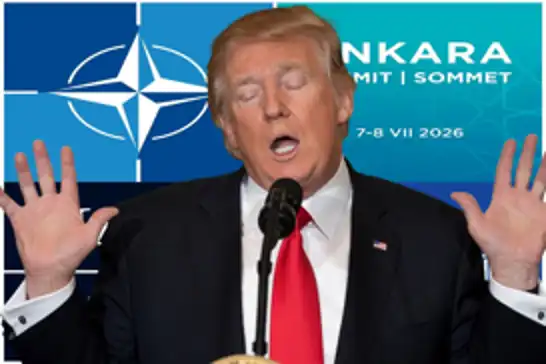
Denmark on Wednesday reaffirmed its commitment to defending Greenland and its national territory after US President Donald Trump renewed calls for the United States to assume control of the Arctic island, overshadowing discussions at the NATO Summit in Ankara.
The World Meteorological Organization (WMO) has warned that global warming, ocean acidification and sea level rise are posing increasing risks to countries across the Southwest Pacific.
The United States has revoked temporary sanctions waivers that had allowed Iran to export oil under a memorandum of understanding (MOU), citing Tehran's actions in and around the Strait of Hormuz.