Saudi company secures 25-year oil and gas exploration deal in Afghanistan
 13 oC
13 oC 
Güneşli

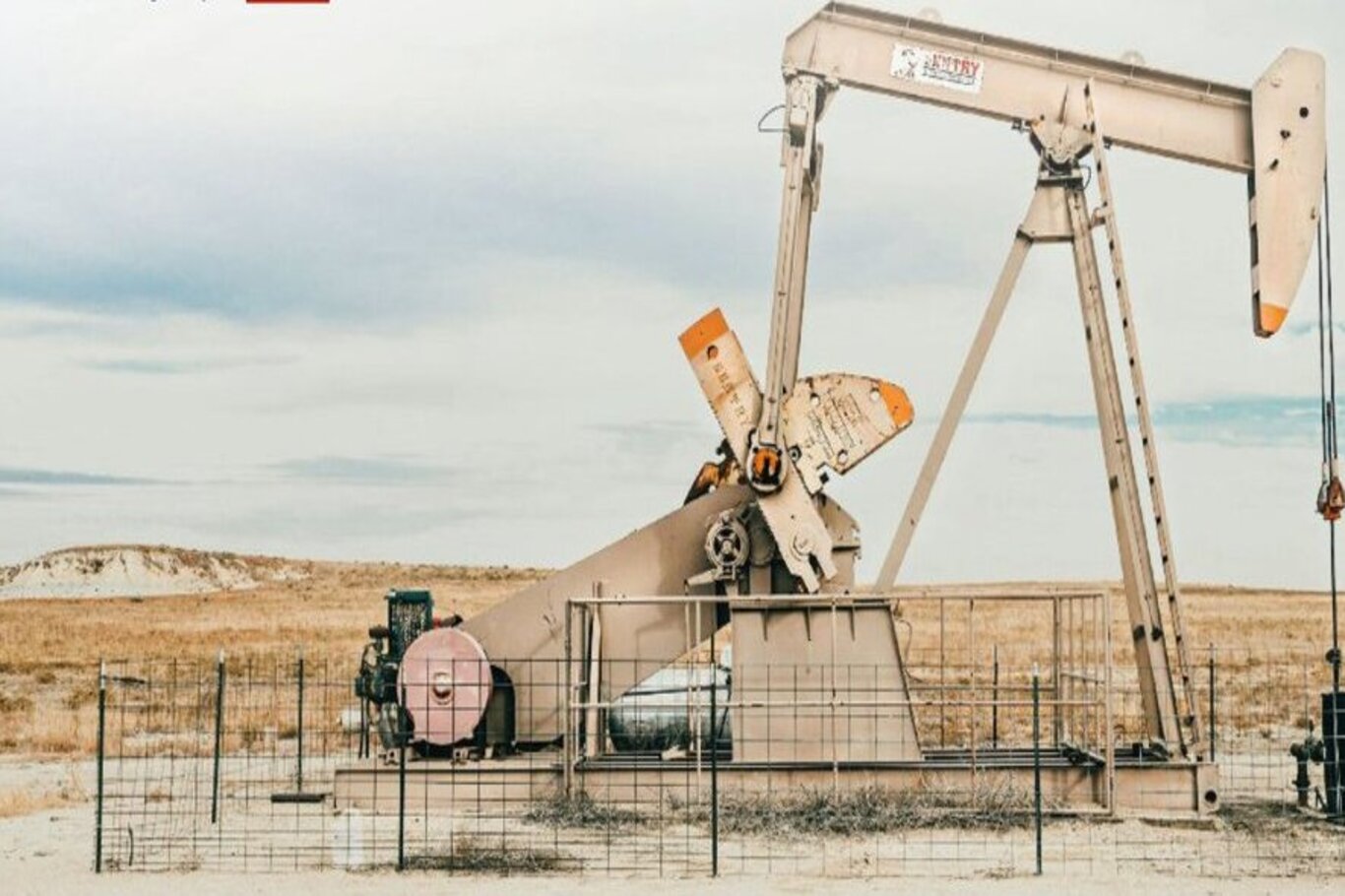
Saudi Arabia's Delta International Private Company has secured a 25-year contract to explore and extract oil and gas across seven blocks of a major field spanning Afghanistan's western provinces of Herat and Badghis, marking a significant step in the country's efforts to attract foreign investment into its energy sector.
The contract covers an area of approximately 14,871 square kilometers, out of a total field area estimated at 23,000 square kilometers, according to officials.
Under the agreement, the first eight years will focus primarily on exploration and assessment of the field's oil and gas potential. Delta International has committed to investing $200 million during the exploration phase.
The deal is expected to support Afghanistan's efforts to develop domestic energy resources and reduce its reliance on imported fuel and energy products.
Afghanistan possesses significant but largely underdeveloped reserves of oil and natural gas. Years of conflict, limited infrastructure and a lack of investment have constrained the development of the country's energy sector.
The authorities in Kabul have increasingly sought foreign investment in mining and energy projects, presenting Afghanistan's natural resources as a potential source of government revenue, employment and economic development.
The agreement with the Saudi company is also part of broader efforts by the authorities to expand economic ties with regional and international investors despite Afghanistan's continuing political and economic isolation.
Further exploration will determine the commercial viability and scale of the oil and gas resources within the seven blocks. The $200 million exploration commitment is expected to fund geological surveys, drilling and other technical activities required to assess the field.
If commercially viable reserves are confirmed, the long-term extraction phase could significantly increase Afghanistan's domestic energy production and contribute to the country's broader economic ambitions. (ILKHA)
LEGAL WARNING: All rights of the published news, photos and videos are reserved by İlke Haber Ajansı Basın Yayın San. Trade A.Ş. Under no circumstances can all or part of the news, photos and videos be used without a written contract or subscription.
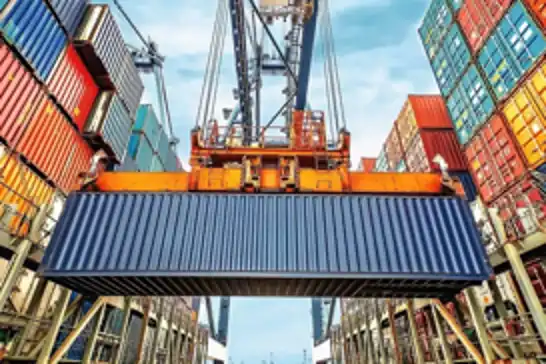
While micro enterprises made up nearly three-quarters of all exporters, large-scale companies generated almost half of the country's total exports and nearly 60% of its imports in 2025, official data showed.

Türkiye’s Central Bank has kept its policy rate unchanged at 37%, maintaining its tight monetary policy stance as it seeks to bring inflation down toward its medium-term target.

Afghanistan and Bangladesh have discussed expanding economic and commercial cooperation, with officials and business leaders exploring investment opportunities across agriculture, mining, industry, energy, transit and trade.
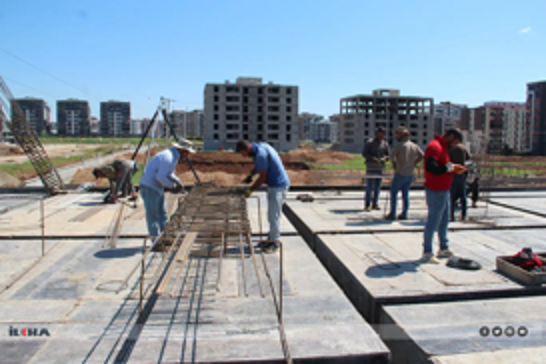
Türkiye’s construction cost index rose 28.33% year-on-year in July 2026, while construction costs increased 1.15% compared with the previous month, according to data released by the Turkish Statistical Institute (TurkStat) on Wednesday.