Morocco and Israel agree to upgrade diplomatic ties to embassy level
 13 oC
13 oC 
Güneşli

Morocco and Israel have agreed to elevate their diplomatic representation to full embassy level and exchange ambassadors, further deepening ties that were restored in 2020 under a US-backed normalization process.
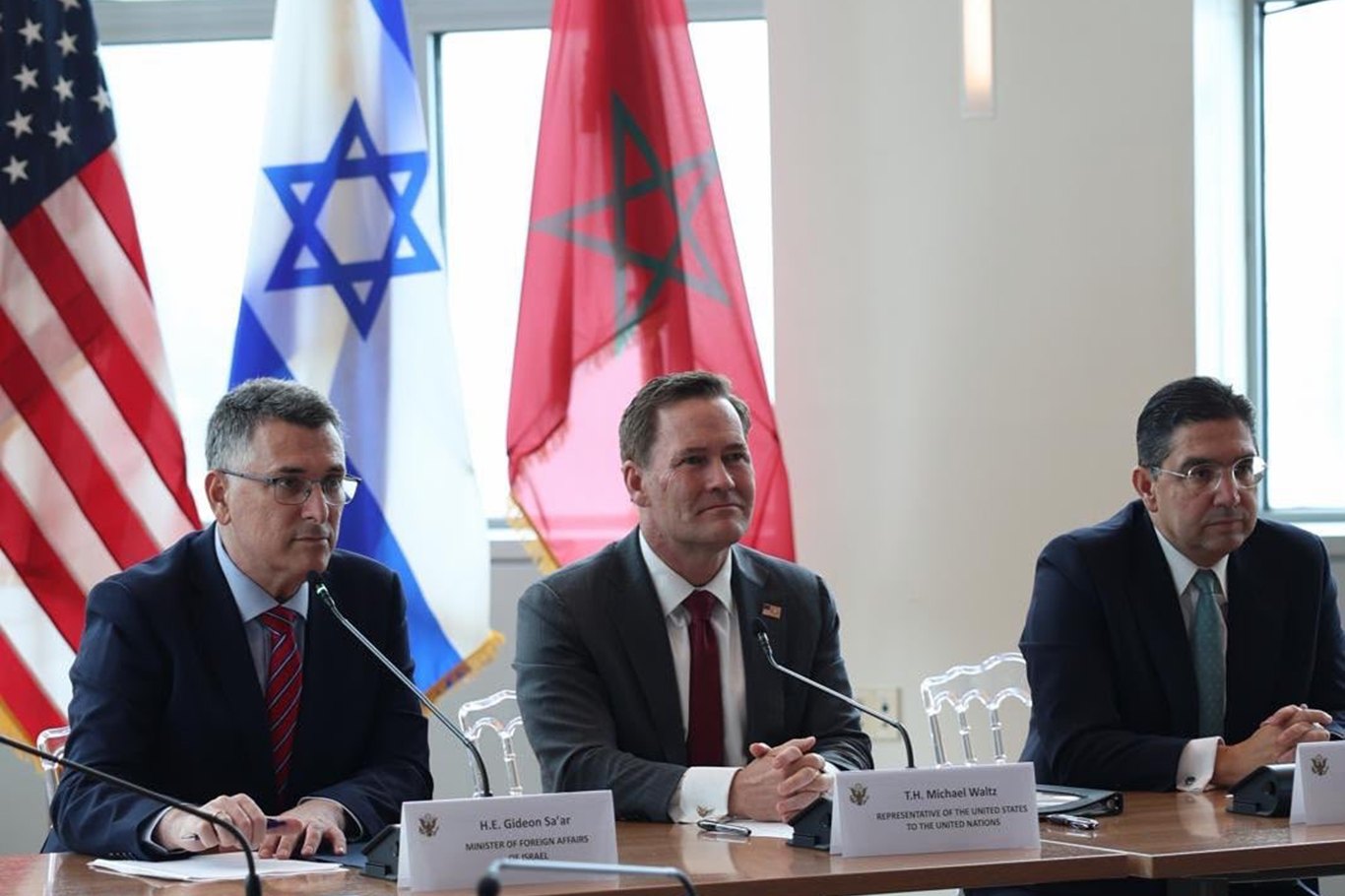
The agreement was reached during a meeting in New York between Moroccan Foreign Minister Nasser Bourita and Israeli Foreign Minister Gideon Sa'ar, hosted with the participation of US Ambassador to the United Nations Mike Waltz. Israeli officials announced the agreement, while Morocco had not immediately issued a separate confirmation.
Under the new arrangement, the two countries plan to transform their existing liaison missions into full embassies and appoint ambassadors. They also agreed to expand direct air connections, facilitate high-level visits and advance economic agreements covering investment protection and the avoidance of double taxation.
The move represents a further institutionalization of relations restored in December 2020 as part of the US-brokered Abraham Accords. Morocco joined the United Arab Emirates and Bahrain in establishing or restoring diplomatic ties with Israel under the framework.
The decision comes against the backdrop of Israel's ongoing war in Gaza, where the conflict has generated widespread international criticism over Palestinian civilian casualties and the destruction of civilian infrastructure.
For Palestinians and critics of normalization, the expansion of relations with Israel during the Gaza conflict raises concerns that Arab-Israeli diplomatic and economic ties are advancing despite the unresolved Palestinian question. Palestinian leaders have previously warned that normalization could weaken the longstanding Arab position that closer relations with Israel should be linked to an end to occupation and the establishment of a Palestinian state.
The latest agreement goes beyond diplomatic representation. Israel and Morocco also agreed to increase air travel between the two countries, including the return or expansion of flights operated by Moroccan carriers. The two sides are expected to work toward implementing the measures before the end of 2026.
They also intend to conclude agreements on investment protection and preventing double taxation by the end of the year, measures that would further expand commercial and economic ties.
The United States has continued to play a central role in promoting the relationship. Waltz hosted the New York meeting and has described the latest agreement as another step in strengthening the Abraham Accords.
However, the practical implementation of the embassy upgrade has yet to take place. The agreement concerns raising the level of diplomatic representation; the embassies have not necessarily already opened and ambassadors have not yet taken up their posts.
The development marks another expansion of Morocco-Israel relations at a time when the Palestinian issue remains at the center of regional tensions. While Rabat has continued its diplomatic relationship with Israel, the broader regional debate over normalization has increasingly been shaped by the humanitarian and political consequences of the Gaza war. (ILKHA)
LEGAL WARNING: All rights of the published news, photos and videos are reserved by İlke Haber Ajansı Basın Yayın San. Trade A.Ş. Under no circumstances can all or part of the news, photos and videos be used without a written contract or subscription.

Russia launched a wave of missile and drone strikes against Kyiv and surrounding areas overnight on September 16–17, injuring civilians and damaging residential, educational and other civilian infrastructure, Ukrainian officials said.
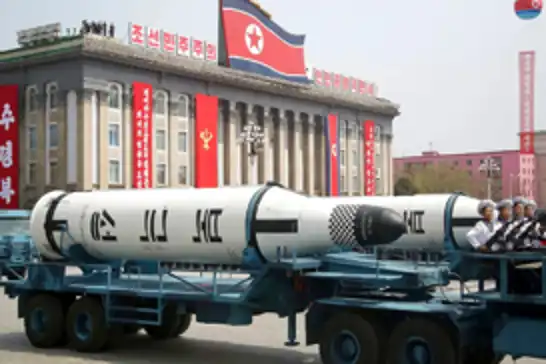
Kim Yo Jong, the powerful sister of North Korean leader Kim Jong Un, said Thursday that the country's status as a nuclear-armed state was "absolute" and could not be reversed, dismissing hopes that Pyongyang might eventually abandon its nuclear weapons.
US Representative Gregory Meeks, the top Democrat on the House Foreign Affairs Committee, has refused to clear a proposed $2.8 billion arms sale to Israel, citing concerns that thousands of powerful bombs could be used in densely populated areas of Gaza and Lebanon.