Israeli forces detonate 700 tons of explosives beneath historic Shaqif Fortress in southern Lebanon
 13 oC
13 oC 
Güneşli

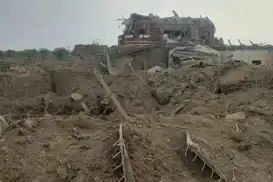
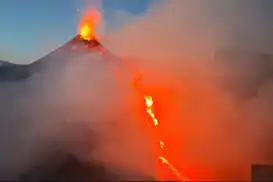
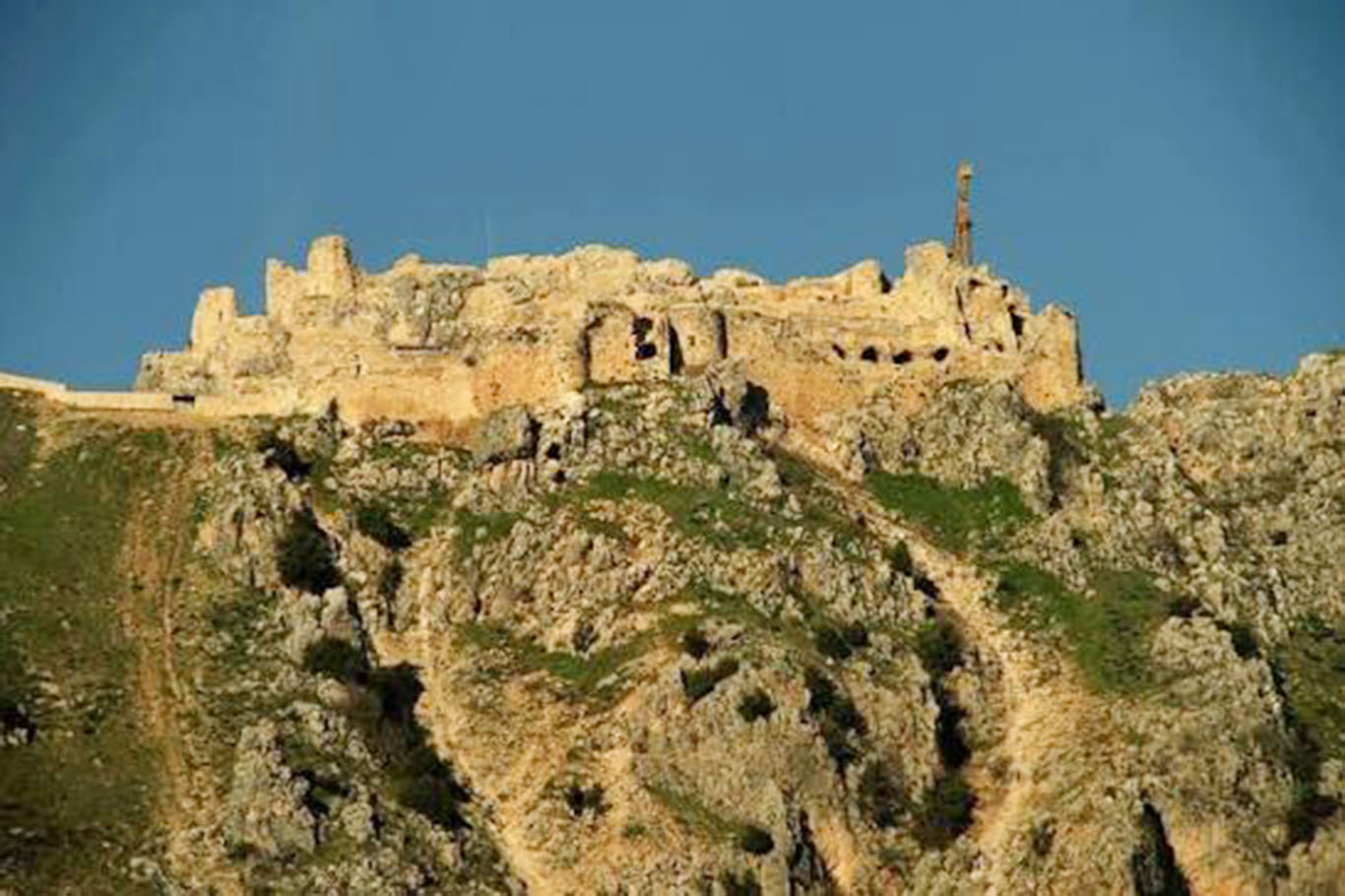
Israeli occupation forces carried out a massive underground explosion beneath the historic Shaqif Fortress (Beaufort Castle) in the Arnoun area of southern Lebanon overnight Thursday into Friday, detonating an estimated 700 tons of explosives in an operation that Lebanese officials and observers say targeted one of the country's most important cultural heritage sites.
The explosion, one of the largest reported in southern Lebanon in recent months, was heard across wide areas of the country, including the southern city of Saida and the Iqlim al-Kharroub region in Mount Lebanon's Chouf district. Residents in Nabatieh reported that thick dust blanketed parts of the city following the powerful blast.
Shaqif Fortress, a nearly 900-year-old Crusader-era castle overlooking the Litani River, is one of southern Lebanon's most prominent archaeological landmarks. The fortress was recently placed under enhanced international protection after being listed by UNESCO as a World Heritage site in danger.
According to a joint statement issued by the Israeli prime minister's office and the Ministry of War, the operation was authorized by Prime Minister Benjamin Netanyahu and War Minister Israel Katz. Israeli authorities claimed the explosion was intended to destroy what they described as a network of Hezbollah tunnels beneath the fortress and alleged that the operation was conducted in response to what they called a Hezbollah violation of the ceasefire agreement.
Israeli media reports linked the operation to an incident earlier in the week in which an Israeli military engineering vehicle was reportedly struck during operations in southern Lebanon. Some Hebrew-language outlets claimed the vehicle had been targeted by a booby-trapped drone near the Ali Taher hill area.
Hezbollah has not issued any statement claiming responsibility for the reported incident.
Lebanese sources, however, rejected Israel's justification for the demolition. A Press TV correspondent in southern Lebanon reported that Israeli forces had spent weeks preparing the underground tunnel network for detonation, arguing that the operation had been planned well before the incident cited by Israeli authorities. The correspondent also said sections of the tunnel system predated Hezbollah's presence in the area by decades—and in some cases centuries—raising questions about Israeli claims regarding the site's military use.
Lebanese authorities had previously dismissed similar Israeli allegations.
In June, Lebanon's Directorate General of Antiquities, operating under the Ministry of Culture, rejected Israeli claims that the Shaqif Fortress contained Hezbollah military infrastructure, describing maps and video footage released by Israeli authorities as fabricated and unrelated to the archaeological site.
The ministry stressed that the fortress has remained under its direct administration since Israel's withdrawal from southern Lebanon in 2000 and noted that the site has enjoyed enhanced legal protection since November 2024 under the 1954 Hague Convention and its Second Protocol governing the protection of cultural property during armed conflict.
Lebanese Culture Minister Ghassan Salame had also welcomed UNESCO's decision to place Shaqif Fortress and four other historic fortresses in the Jabal Amel region on the List of World Heritage in Danger, warning that Israeli attacks posed an increasing threat to Lebanon's cultural heritage. He accused Israeli forces of already destroying Chamaa Castle and cautioned that Beaufort remained at risk of deliberate demolition.
Experts have also expressed concern over the environmental consequences of such large-scale explosions.
Lebanese geologist Dr. Tony Nemer of the American University of Beirut previously warned that detonating hundreds of tons of explosives near the junction where the Levant Fault divides into the Yammouneh and Roum fault systems could alter geological stress and potentially increase the risk of human-induced seismic activity.
Nemer first raised the issue following a large-scale Israeli demolition operation in Odaisseh in 2024 that reportedly involved around 400 tons of explosives and triggered earthquake alerts across northern occupied Palestine and parts of the occupied West Bank. Friday's explosion beneath the Shaqif Fortress reportedly involved substantially more explosive material.
The latest destruction has drawn renewed concern over the protection of Lebanon's cultural heritage during the ongoing conflict, with critics accusing Israel of targeting archaeological and historical sites under the pretext of military operations and warning that irreplaceable landmarks are being placed at risk. (ILKHA)
LEGAL WARNING: All rights of the published news, photos and videos are reserved by İlke Haber Ajansı Basın Yayın San. Trade A.Ş. Under no circumstances can all or part of the news, photos and videos be used without a written contract or subscription.
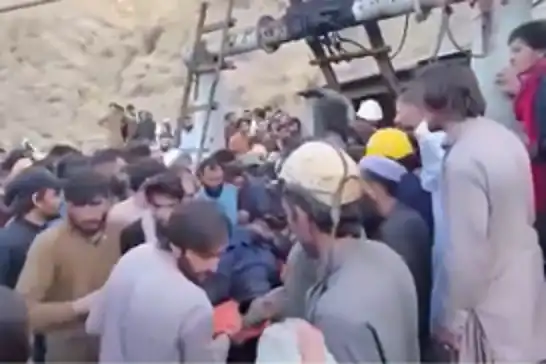
The death toll from a coal mine collapse in Pakistan's southwestern Balochistan province has risen to 34 after rescue teams recovered six more bodies from the site on Friday, officials said, as operations continued to search for miners still believed to be trapped underground.
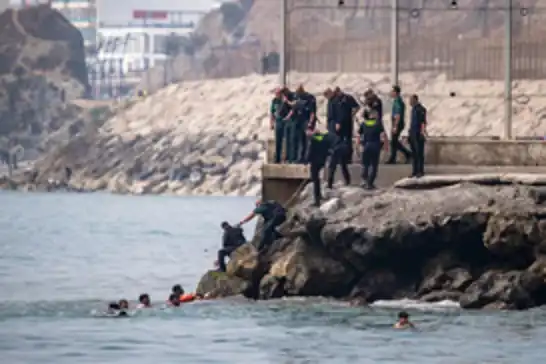
At least 18 migrants have died while attempting to reach Spain's North African enclave of Ceuta after tens of thousands of people breached the border with Morocco in one of the largest mass crossings in recent years, triggering a humanitarian and security crisis.
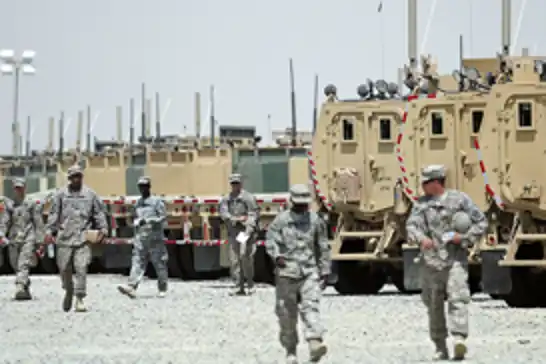
A recent Wall Street Journal analysis has highlighted growing strains in the longstanding US-Kuwait security partnership amid the ongoing war with Iran, raising questions about the sustainability and risks of America’s large military footprint in the Gulf emirate.