Israeli airstrikes kill 11 civilians in southern Lebanon
 13 oC
13 oC 
Güneşli

At least 11 people, including two children and two paramedics, have been killed in a series of Israeli airstrikes on southern Lebanon, according to Lebanon’s state-run National News Agency, in a major escalation that has raised fresh fears over the collapse of the fragile ceasefire.
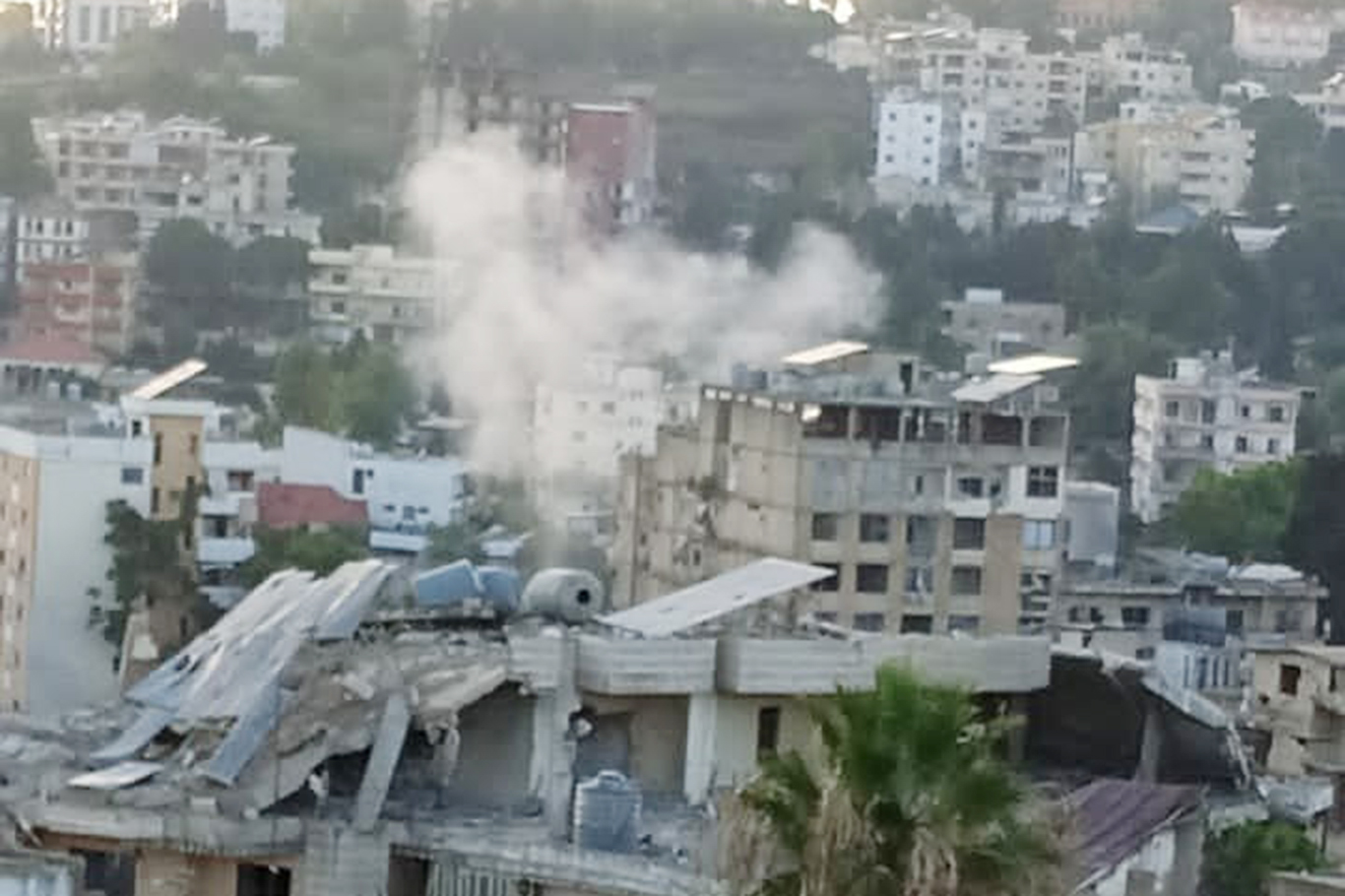
Nine people were killed shortly after midnight when an Israeli airstrike destroyed a three-storey residential building in the southern Lebanese village of Kfar Rumman, the National News Agency reported.
The attack reduced the residential structure to rubble and left residents and emergency teams searching for survivors. Two paramedics were also killed in a separate Israeli strike targeting a vehicle, according to the agency.
The Israeli military said it was examining reports of the casualties.
The latest attacks came just one day after Israeli strikes killed seven people in southern Lebanon, further intensifying an already tense situation along the country's southern frontier.
Israel claimed its earlier attacks were carried out in response to drone attacks by Hezbollah against Israeli troops stationed in areas of Lebanon occupied by Israel.
Lebanese officials, however, have repeatedly condemned Israeli military operations as violations of Lebanon’s sovereignty and a serious threat to the country's fragile security situation.
Lebanese President Joseph Aoun described the latest escalation as “dangerous”, warning that the continuing Israeli attacks could jeopardize the US-brokered ceasefire reached in June.
The agreement was intended to end the conflict between Israel and Hezbollah and provide a framework for reducing hostilities. The renewed Israeli strikes, however, have raised growing concerns that the truce is being pushed toward collapse.
The deaths in Kfar Rumman have renewed concerns over the safety of civilians living in southern Lebanon, where communities have endured repeated violence and destruction.
The reported killing of two paramedics has also heightened alarm among humanitarian and emergency personnel, who continue to operate in areas affected by Israeli attacks.
Lebanese authorities have stressed that civilians and emergency workers must be protected and that Lebanon's territorial integrity must be respected.
The latest escalation comes amid continued uncertainty over the implementation of the ceasefire, with Israeli forces maintaining positions in parts of southern Lebanon and conducting military operations that Beirut says violate Lebanese sovereignty.
The renewed violence has intensified fears that southern Lebanon could once again be dragged into a broader conflict.
Lebanese authorities have called for international pressure to stop the Israeli attacks and preserve the ceasefire, warning that continued violations could have devastating consequences for civilians and further destabilize the region.
For communities across southern Lebanon, the latest strikes have brought renewed grief and uncertainty, with fears growing that the fragile calm secured through months of diplomatic efforts could once again give way to sustained violence.
As the death toll rises and Israeli military operations continue, Lebanon faces mounting pressure to protect its civilians and territory while international efforts to preserve the ceasefire confront an increasingly difficult test. (ILKHA)
LEGAL WARNING: All rights of the published news, photos and videos are reserved by İlke Haber Ajansı Basın Yayın San. Trade A.Ş. Under no circumstances can all or part of the news, photos and videos be used without a written contract or subscription.
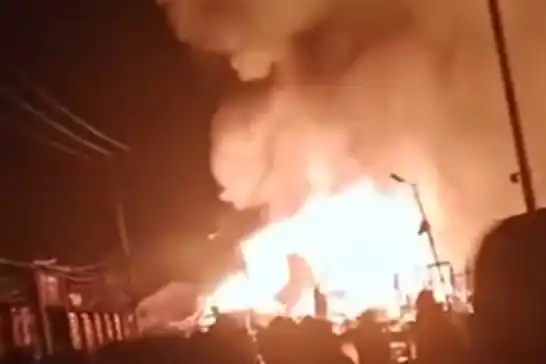
A massive overnight fire tore through a market area in Indonesia’s Central Papua province on Monday, killing 11 people, including six children, and destroying around 40 homes and market stalls, police said.
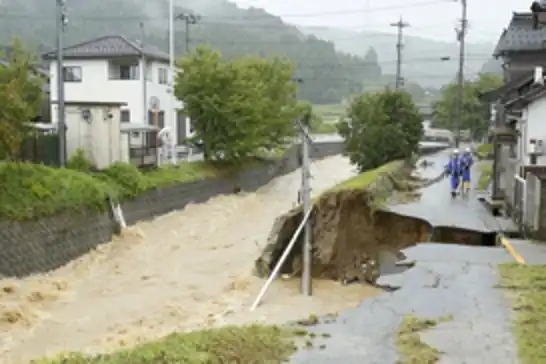
Torrential rain has battered Tokyo and surrounding regions of Japan, triggering the country’s highest-level landslide warnings, disrupting rail services, closing schools and causing flooding across parts of eastern Japan.
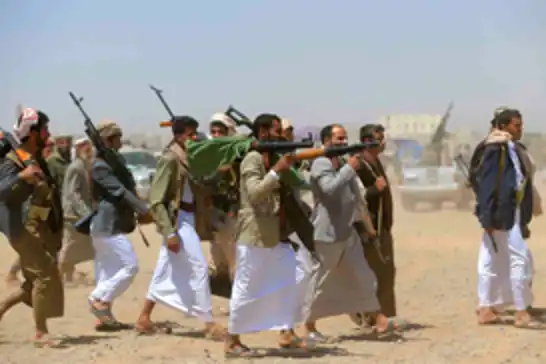
Fighting between Houthi forces and Yemen's internationally recognised government forces has sharply escalated in western Taiz province, marking some of the most intense clashes in years and raising fears of a wider conflict around the strategic Bab al-Mandeb Strait.