Iranian missile strikes put growing pressure on US air defenses across Middle East
 13 oC
13 oC 
Güneşli

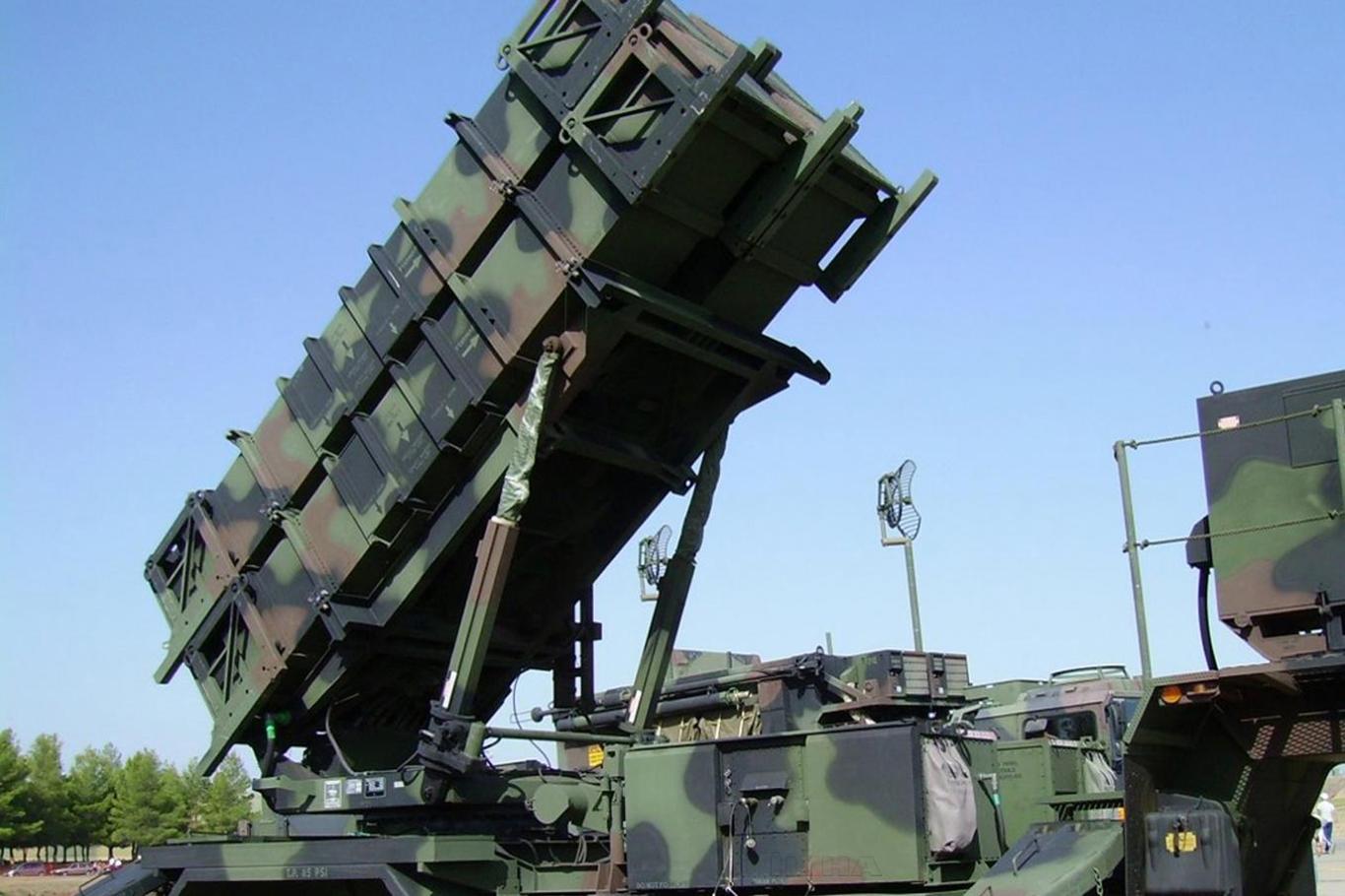
The United States is rapidly expending some of its most advanced missile interceptors as it seeks to defend American military positions in the Middle East against repeated Iranian missile attacks, highlighting the growing pressure on Washington’s regional air-defense network.
At the same time, Iran has continued adapting its missile tactics and capabilities, seeking to make its attacks more difficult and costly to counter.
US and regional officials familiar with a recent Iranian attack said American forces fired between 60 and 70 Patriot interceptors against roughly 20 Iranian ballistic missiles targeting US forces in Jordan. More than a dozen THAAD interceptors were also reportedly launched.
The unusually high expenditure underscores the growing demands being placed on US missile defenses as Iranian forces continue to target American military assets across the region.
One US official cited by The Wall Street Journal said the number of interceptors used during the attack was roughly equivalent to the amount American forces had expended over an entire week at other stages of the conflict.
The Iranian attack targeted Muwaffaq Salti Air Base near Azraq, one of the major US military facilities in Jordan.
Jordan's armed forces said its air-defense systems engaged 20 Iranian ballistic missiles and intercepted 18 of them, while two missiles fell in unpopulated areas.
The episode illustrates the cost imposed on Washington by Iran's sustained missile campaign. Each Iranian strike can force the United States to deploy highly expensive defensive interceptors, potentially placing additional pressure on a stockpile that cannot be replenished indefinitely.
Iran has also demonstrated an ability to adjust its missile operations in response to US and allied defensive measures. The evolving tactics have turned the confrontation into a continuing contest between Iranian offensive capabilities and the increasingly demanding task of defending widely dispersed American military installations.
For Washington, the challenge extends beyond intercepting individual missiles. Maintaining sufficient stocks of advanced interceptors while protecting US forces across the Middle East represents a significant logistical and strategic burden.
The latest exchange therefore highlights a central feature of the escalating confrontation: Iran's ability to impose substantial defensive costs on the United States while continuing to develop tactics designed to challenge sophisticated American air-defense systems. (ILKHA)
LEGAL WARNING: All rights of the published news, photos and videos are reserved by İlke Haber Ajansı Basın Yayın San. Trade A.Ş. Under no circumstances can all or part of the news, photos and videos be used without a written contract or subscription.
The Yemeni Armed Forces have categorically rejected Saudi allegations that Yemen poses a threat to Mecca or other Islamic holy sites, insisting that their military operations are directed exclusively against Saudi military installations and oil infrastructure.
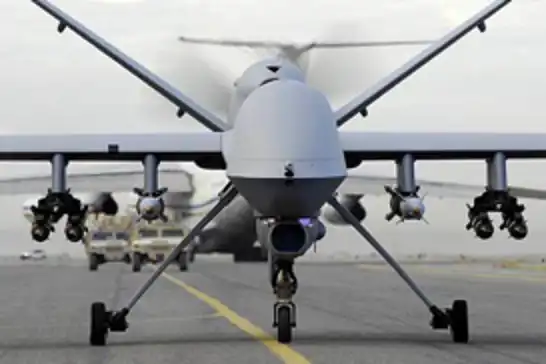
Iran's Islamic Revolution Guards Corps (IRGC) said its air defense forces intercepted and destroyed a US MQ-9 drone over Qeshm Island early Wednesday, marking what it described as the 52nd American drone brought down during the ongoing conflict.

The European Union is considering additional sanctions against extremist Israeli settlers as violence, land seizures and settlement expansion continue to intensify across the occupied West Bank.
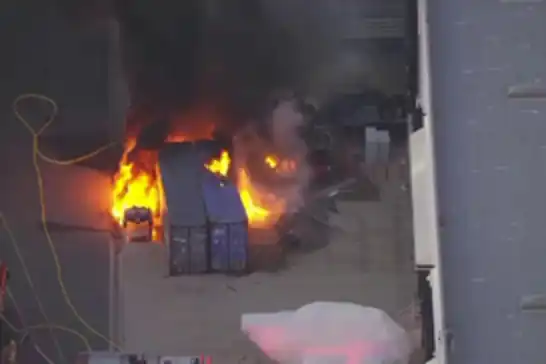
Three people were killed and another was taken to hospital after a television news helicopter crashed and burst into flames Tuesday evening in the Chatsworth neighborhood of Los Angeles, authorities said.