Countries increase food stocks and production capacity for global food security
 13 oC
13 oC 
Güneşli

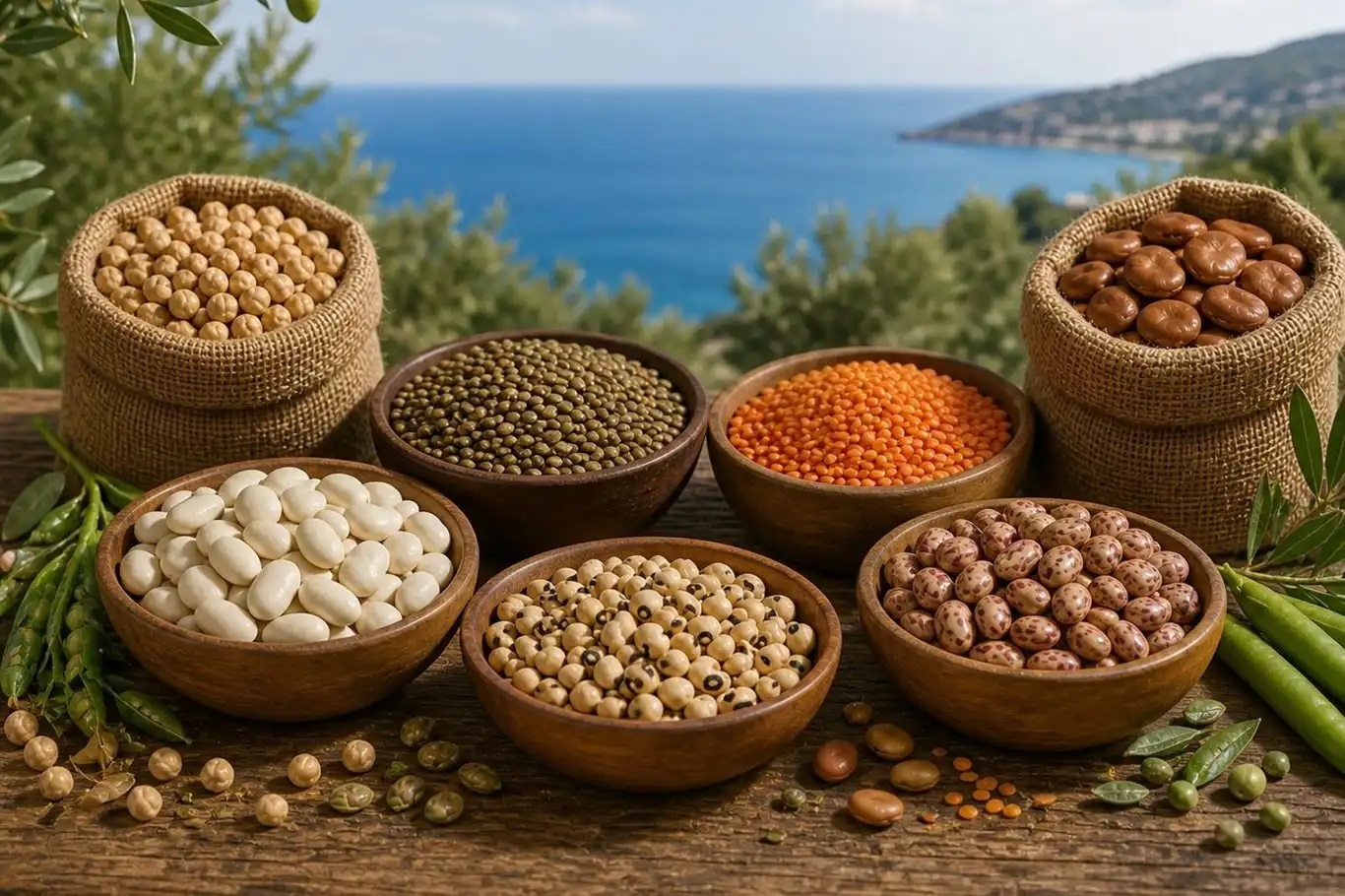
Fluctuations in global wheat and other staple food prices are pushing countries to increase strategic reserves, diversify supply sources and develop agricultural products that are more resistant to climate change.
In countries where food accounts for a significant share of household spending, increases in food prices can have serious economic consequences. Changes in exchange rates, energy and transportation costs, as well as government support policies, can cause the same increase in global food prices to be reflected differently among consumers in different countries.
Strategic grain reserves have become one of the key tools used by countries against possible supply disruptions. Governments are increasing storage capacity to ensure the continuation of flour and bread production during sudden market fluctuations or disruptions in supply chains.
Bangladesh has expanded modern grain storage capacity in recent years, while Norway has been working to establish emergency wheat reserves capable of meeting several months of domestic consumption needs.
Experts emphasize that increasing storage capacity alone is not sufficient. The ability to transport grain from production areas to areas of need at affordable costs and preserve it under suitable conditions is also considered a critical component of food security.
Countries are also seeking alternative wheat suppliers to reduce dependence on a single region or source. Major wheat exporters, including Russia, Canada, Australia, the European Union, Argentina and the United States, continue to play an important role in global supply.
Diversification of supply chains has become a priority as geopolitical tensions, transportation disruptions and climate-related risks continue to affect international food markets.
Food security therefore includes not only having sufficient products within national borders, but also maintaining the ability to purchase food from global markets and deliver it to consumers.
Climate change is creating additional pressure on the future of global food supplies. Rising temperatures, droughts and challenges related to soil and water resources are increasing the need for more durable and productive agricultural systems.
Various countries are conducting research on wheat varieties and other crops that can withstand drought, diseases and difficult climate conditions. Alongside agricultural research, technologies that improve water and fertilizer efficiency are also becoming increasingly important in maintaining production capacity.
As a result, countries are responding to global food price fluctuations not only by increasing imports but also by boosting domestic production, building strategic reserves, diversifying supply chains and investing in climate-resilient agriculture.(ILKHA)
LEGAL WARNING: All rights of the published news, photos and videos are reserved by İlke Haber Ajansı Basın Yayın San. Trade A.Ş. Under no circumstances can all or part of the news, photos and videos be used without a written contract or subscription.
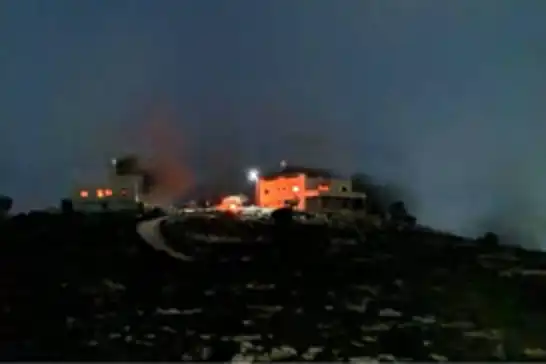
Israeli settlers launched a series of attacks on Palestinian communities in the occupied West Bank early Tuesday, setting fire to homes and vehicles and damaging property in the Nablus and Ramallah areas, Palestinian sources said.

Three Palestinians were martyred and several others wounded in Israeli attacks across the Gaza Strip on Tuesday, according to Palestinian sources, amid continued reports of ceasefire violations in several parts of the enclave.
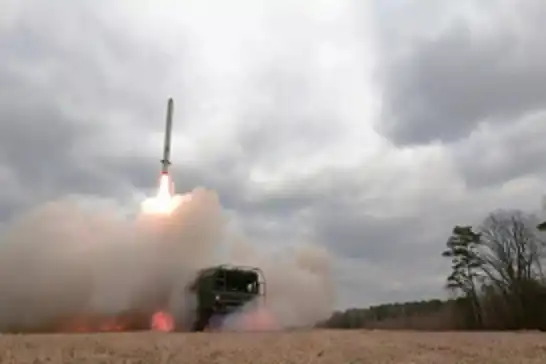
Russia struck the headquarters of Ukraine's largest mobile operator, Kyivstar, in Kyiv on Sunday, as Moscow intensified attacks on data centers and communications infrastructure across the country, Ukrainian officials and the company said.