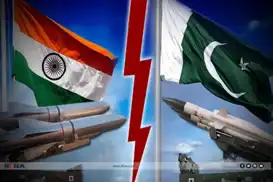
Afghan and Pakistani delegations meet in Riyadh in bid to ease border tensions
 13 oC
13 oC 
Güneşli

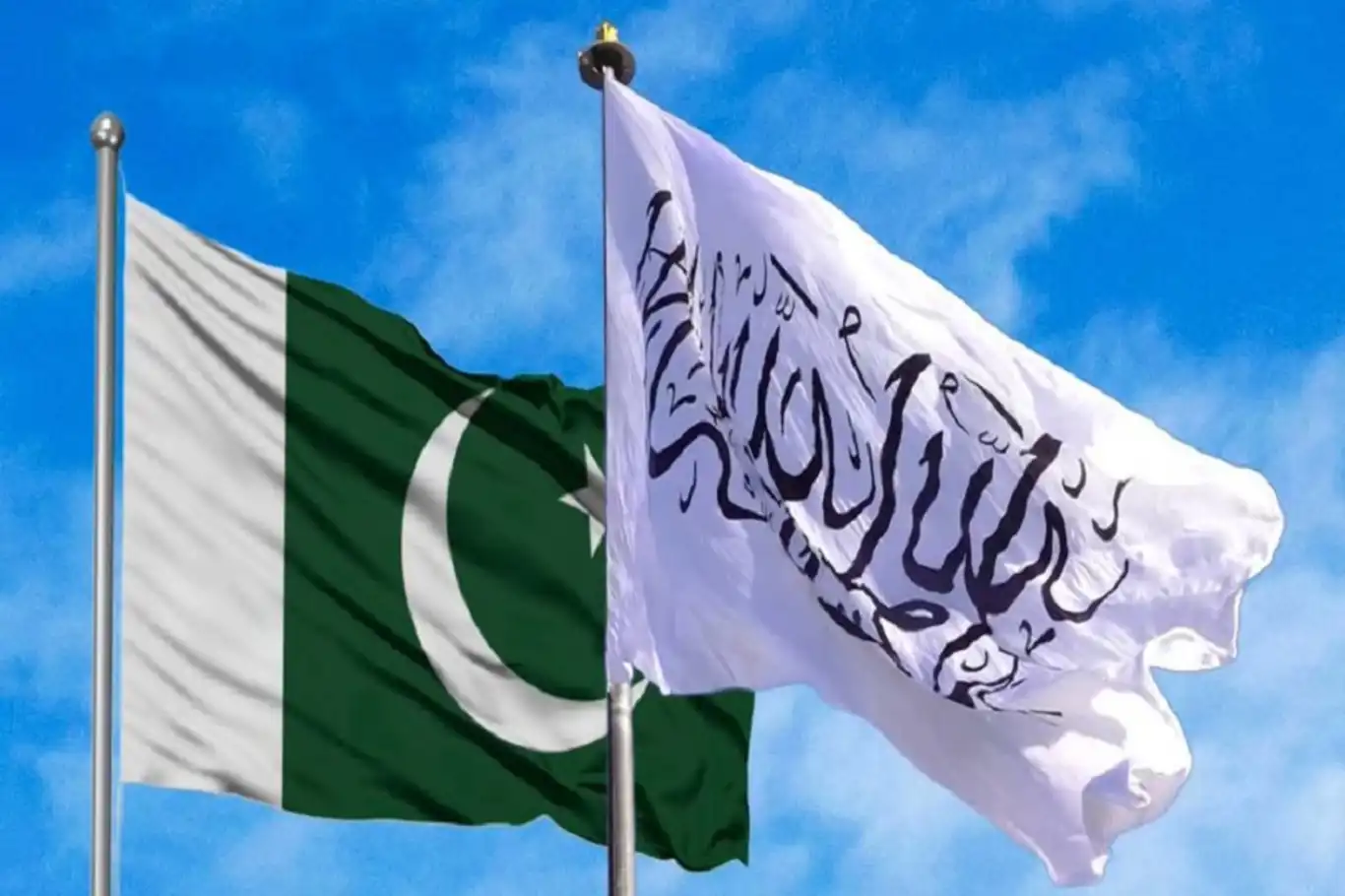
A high-level delegation from the Islamic Emirate of Afghanistan has arrived in Saudi Arabia for talks aimed at breaking a persistent political deadlock with Pakistan, multiple sources have confirmed.
The visit, seen as a fresh attempt to de-escalate worsening cross-border tensions, coincides with the arrival of a Pakistani delegation in Riyadh, with Saudi Arabia taking on a direct mediating role.
The Afghan delegation is reported to include prominent figures: Anas Haqqani, a senior leader within the Taliban; Rahmatullah Najib, Deputy Minister of Interior; and Abdul Qahar Balkhi, spokesperson for the Ministry of Foreign Affairs. Their presence underscores the importance Kabul places on the initiative.
No official statements have been released by Afghan, Pakistani, or Saudi authorities regarding the visit or the agenda. However, the choice of Saudi Arabia as a venue carries substantial regional weight, reflecting Riyadh's broader ambitions to assert itself as a key mediator in Islamic world conflicts.
"The involvement of Saudi Arabia is crucial," said Hassan Mubarak Azizi, former Minister of Transport and Civil Aviation in the previous Afghan government. "Just as Qatar was pivotal in past years, now Saudi Arabia and the UAE are key players. There's little hope that bilateral talks with Pakistan alone will yield results."
Relations between Kabul and Islamabad have grown increasingly fragile in recent weeks, marked by harsh rhetoric, Pakistani accusations against the Afghan government regarding security, and Taliban assertions that pressure and threats are counterproductive. Pakistani officials have at times hinted at potential military action, further raising stakes.
"This round of dialogue may prove to be a key test of Saudi Arabia's political influence in fostering stability," observed one regional diplomat, speaking on condition of anonymity.
The Saudi-mediated talks follow three previous rounds held in Doha and Istanbul over the past two months, mediated by Turkey and Qatar. The last round was reported to have ended inconclusively, with Afghan officials citing Pakistan's "unreasonable demands" as a stumbling block.
Political analysts suggest Saudi Arabia’s religious stature and its relationships with both nations could provide a new pathway. "Saudi Arabia, as a leading Islamic country, can play a strong role and is potentially the best mediator between Afghanistan and Pakistan," said analyst Hemayatullah Ahmadi.
Other voices urge caution and responsibility. "It is the responsibility of all countries to address issues carefully, rationally, and based on shared interests, to prevent instability in the region," noted political analyst Abdul Sadiq Hamidzoy.
The outcome of this surprise diplomatic engagement in Riyadh is being closely watched, as it holds implications not only for bilateral ties but for the security and stability of South and Central Asia. (ILKHA)
LEGAL WARNING: All rights of the published news, photos and videos are reserved by İlke Haber Ajansı Basın Yayın San. Trade A.Ş. Under no circumstances can all or part of the news, photos and videos be used without a written contract or subscription.
The president of the International Criminal Court (ICC) urged member states on Monday to remain united in the face of escalating pressure from the United States and Russia, framing recent sanctions and wanted-list designations as attacks on the court’s very existence.

A 30-year-old Palestinian worker was shot in the leg by Israeli forces near the separation wall in the town of Al-Ram, north of Occupied Jerusalem, on Monday evening.
The United Nations has sounded a renewed alarm over the rapidly deteriorating humanitarian situation in the Gaza Strip, with UN Spokesperson Stéphane Dujarric detailing severe shortages, obstructed access routes, and escalating winter-related risks during Monday’s noon briefing at UN Headquarters.