TurkStat: AI adoption in Türkiye triples in four years

 13 oC
13 oC 
Güneşli

The use of artificial intelligence (AI) technologies in Türkiye has seen a notable surge in recent years, according to new data released by the Turkish Statistical Institute (TurkStat) on Wednesday.
In 2025, 7.5% of enterprises declared that they were using AI technologies, up from just 2.7% in 2021. Adoption rates varied depending on company size: 6.6% of small enterprises (10–49 employees), 9.6% of medium-sized firms (50–249 employees), and 24.1% of large enterprises (250+ employees) reported utilizing AI tools in their operations.
The highest levels of AI adoption were observed in the information and communication sector, where nearly half (47.1%) of enterprises reported use. This was followed by the finance and insurance sector (21.1%) and companies engaged in the repair of computers and communication equipment (15.2%).
Among businesses employing AI, marketing and sales emerged as the most common purpose, with 46.5% reporting its use in this area. This was closely followed by production and service processes (41.1%), research and development or innovation activities (41.0%), and business administration or management (40.0%). AI was also used for finance and accounting (33.7%), ICT security (22.6%), and logistics (13.6%).
Even among enterprises not currently using AI, 9% indicated plans to adopt the technology in the future. Larger firms showed greater interest, with 18.2% of those employing 250 or more people planning to use AI compared to 8.4% of small enterprises.
The biggest obstacle to adoption was a lack of expertise, cited by 74.2% of businesses. High costs (67.4%) and uncertainties over legal consequences (62.4%) were also significant concerns.
On the individual level, 19.2% of people in Türkiye reported using generative AI tools in 2025. Usage was highest among the 16–24 age group (39.4%), followed by those aged 25–34 (30.0%). AI adoption declined with age, with the lowest rate among individuals aged 65–74.
Education played a key role in adoption: 36.1% of higher education graduates reported using AI, compared to 22.8% of high school graduates and just 2.2% of primary school graduates.
Most individuals (79.7%) reported using AI for private purposes, while 33.8% used it for professional work and 31.4% for formal education. Men were more likely to use AI professionally (37.7% vs. 29.5% of women), while women used AI more frequently for education (36.6% vs. 26.7%).
Among those who do not use AI, the most common reason was simply not needing it (63.3%). Other reasons included lack of knowledge on how to use AI (18.7%), lack of awareness about its existence (12.4%), and concerns about privacy and safety (5.5%). (ILKHA)
LEGAL WARNING: All rights of the published news, photos and videos are reserved by İlke Haber Ajansı Basın Yayın San. Trade A.Ş. Under no circumstances can all or part of the news, photos and videos be used without a written contract or subscription.

The European Commission has imposed a €120 million fine on X (formerly Twitter) for multiple violations of the Digital Services Act (DSA), marking the first non-compliance decision issued under the landmark EU regulation.
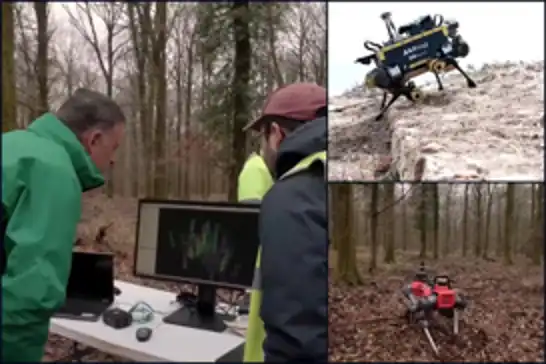
Researchers at the University of Bradford in the United Kingdom are developing an advanced system that uses robot dogs to improve artificial intelligence–driven early wildfire detection.
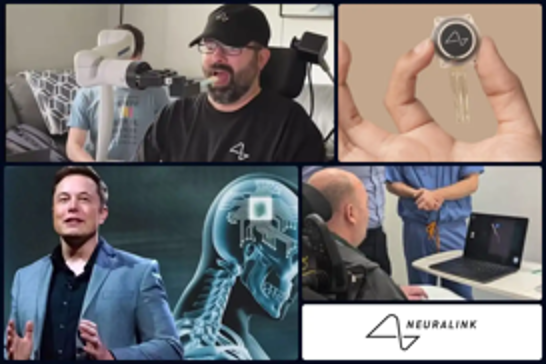
People implanted with Elon Musk’s Neuralink brain chip can now operate robotic arms through thought alone, marking a new stage in the company’s brain–computer interface (BCI) trials as capabilities expand beyond controlling digital devices.
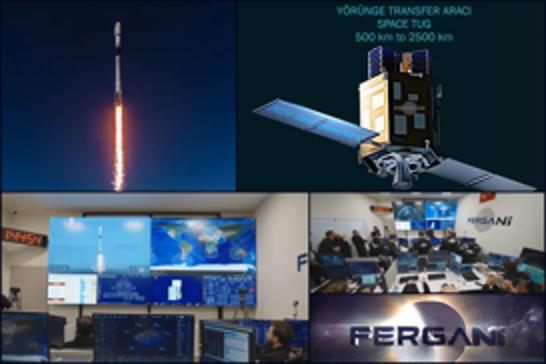
Türkiye has officially entered a new era in space technology with the successful deployment of FGN-TUG-S01, the country’s first orbital transfer vehicle (OTV), developed entirely with national resources by the Ankara-based aerospace company Fergani Space.